




Looking Back: Gatekeeper Announces New Acquisition, SEPTA Contract
Gatekeeper Becomes OEM Transit Video Provider to Alstom, SEPTA Streetcar Project Moves Forward
Gatekeeper's transit video systems will be factory-installed on Alstom's new Citadis streetcars, supporting SEPTA's modernization of Philadelphia's trolley network.
October 8, 2025
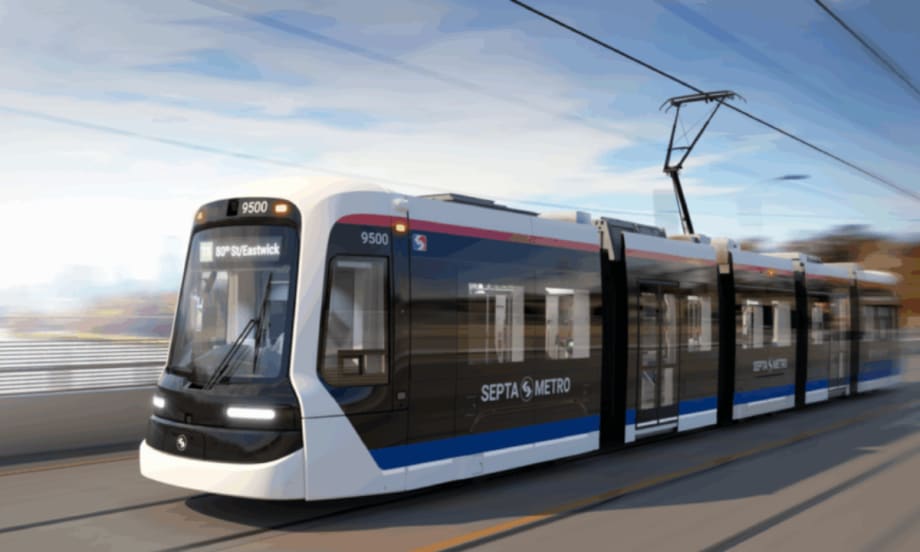
A rendering of Alstom's next-generation Citadis streetcar, part of SEPTA's Trolley Modernization Program, which will feature Gatekeeper's onboard video technology.
Source: Alstom/SEPTA
2 min to read
Gatekeeper Systems recently announced that it has become an OEM provider of transit video and data solutions to Alstom, a provider of rail transport systems, and has secured its first contract with the company.
Gatekeeper has entered into an initial contract with Alstom to serve as the OEM provider for factory-installed transit video solutions for the Southeastern Pennsylvania Transportation Authority (SEPTA) streetcar project.
Alstom has cited the SEPTA streetcar project as a strategic project that will introduce the new Citadis light rail range to North America and serve as a blueprint for future opportunities in the region. The initial contract is valued at approximately $5.4 million.
"We are very pleased to become an OEM supplier to Alstom, one of the world's largest and most prestigious train manufacturers," said Doug Dyment, Gatekeeper's president and CEO. "The SEPTA streetcar project is a new strategic initiative that is setting a new standard for modern urban mobility in North America, and we are delighted to be the video solutions provider."
Alstom's Citadis Fleet Nears Design Completion
Alstom has announced that the SEPTA streetcar project will deliver 130 full low-floor electric streetcars, with options to build an additional 30 streetcars. The current trolleys operating in Philadelphia are Kawasaki cars from the 1980s, which need to be replaced with more accessible vehicles.
According to a company release, the next-generation Citadis light rail vehicles (LRVs) are specifically designed for North America, made to navigate the historic streets of Philadelphia, and are fully ADA-compliant.
The new Citadis streetcars will provide an energy-efficient mobility solution that uses traction technology, offering a 20% reduction in energy consumption compared to a standard light rail solution.
Otherwise known as the trolley modernization program, this phased project, according to Alstom, is managed by SEPTA and includes "the construction of new platforms, improved signage for accessibility, the replacement of the existing trolley poles with modern catenaries, and new maintenance facilities."
Although the notice to proceed was first signed in May 2023, the project has reached a point where a "majority of supplier contracts have been signed and are two-thirds of the way through the design phase," with a final design review scheduled for the fall of 2025.
Once the review is complete, Alstom will be ready to begin manufacturing the new streetcards at its Hornell facility in 2026.
More Management

METRO Opens Submissions for 2026 Motorcoach Awards
Nominations are now being accepted for METRO Magazine’s Operator of the Year and Innovative Operator of the Year awards.
Read More →
New York MTA Advances Final Contract for Second Avenue Subway Expansion
Contract Four is the largest in the Second Avenue Subway Phase 2 project and includes construction of station infrastructure, tracks, and signals for the subway expansion, MTA officials said. Work on Contract Four will begin in 2027.
Read More →
Transit Agencies Highlight Safety Gains at National Summit
Leaders from 15 major transit systems shared crime-reduction results and safety initiatives while discussing the role of continued federal support.
Read More →

NITA Names New Leadership, Expands Reduced-Fare Program at First Board Meeting
The new regional transit authority appointed its first board chair and interim executive director while extending reduced fares across CTA, Metra, and Pace for eligible riders.
Read More →
Beyond the Checklist: A Structured Approach to Transit Maintenance
Reliability-Centered Maintenance helps transit agencies move beyond routine checklists to focus limited resources on the assets and failures that have the greatest impact on safety, reliability, and service.
Read More →
APTA 2026 Nominating Committee Selects Leadership Slate, Names Chair and Vice Chair Nominees
Leadership changes will help shape the association’s priorities and its representation of the transportation industry during the 2026–2027 term.
Read More →
DART Launches Major Security, Fare Enforcement Initiative
The 90-day demonstration will deploy coordinated security teams at five light rail stations while testing controlled access and gathering data to guide future investments.
Read More →
Sponsored•September 9, 2026
Advancing Fare Collection Through Technology and Innovation
Learn about delivering 1300 gates at 91 stations while managing fare evasion. Explore the large scale deployment, solution customization and real-world results that affect the region. Prepare for deployment in your region now.
Read More →
Game Day in Motion: Moving Millions During the 2026 World Cup
Between packed transit stations and team motorcoaches, see how agencies and operators across North America tackled the transportation demands of the 2026 FIFA World Cup.
Read More →
Surface Transportation Extension Averts Shutdown, Leaves Transit Funding Gap
The stopgap keeps federal transportation programs moving, but missing advance funding could complicate the transit and rail projects agencies are planning next.
Read More →