



German rail to implement Bombardier energy storage system
Allows vehicles up to 30 percent energy use reduction and is capable of catenary-free operation. The RNV has ordered a total of 19 light rail vehicles with the energy storage system.

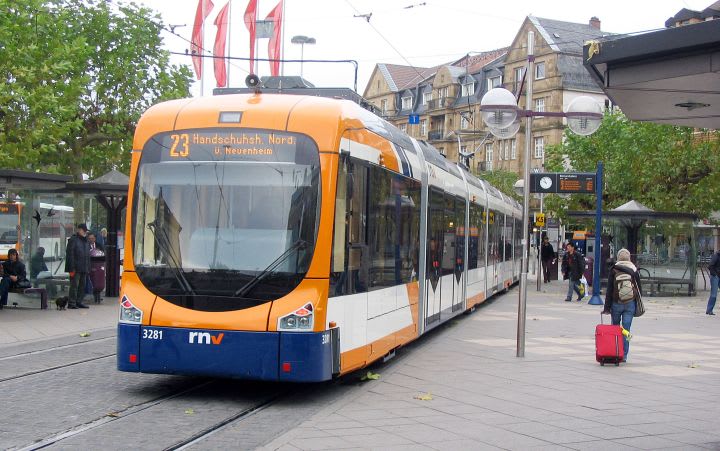
The RNV has ordered a total of 19 light rail vehicles with the MITRAC Energy Saver. They will enter service by the end of 2010.
[IMAGE]mitrac1.jpg[/IMAGE]Rhein-Neckar-Verkehr GmbH (RNV) is set to commission the first six new Variobahn type Bombardier trams at its Heidelberg site in Germany. These trams are the first to feature the commercial application of the Bombardier MITRAC Energy Saver, an energy storage system. Thanks to this system, vehicles require up to 30 percent less energy and are capable of catenary-free operation.
"The new system not only allows us to reduce energy costs — we are also the first operator in the world to use this technology in all new vehicles. It is, therefore, no surprise that we were awarded the innovation prize by the federal state of Baden-Wuerttemberg for the MITRAC Energy Saver at the beginning of the year," said Martin in der Beek, chief technical officer of Rhein-Neckar-Verkehr GmbH. "We will save about 93,000 kWh of electrical energy per vehicle each year. That also benefits our region due to lower emissions when generating electricity at the power station."
The MITRAC Energy Saver, part of the ECO4 portfolio of Bombardier Transportation, utilizes an energy recovery system: three roof-mounted energy storage units use their capacitors to store the energy generated during braking, ready to release it again when accelerating or during operation.
The high-performance double-layer capacitors of the system store up to 3 kWh per vehicle. When starting up and accelerating, vehicles require a particularly large amount of electricity and put a significant burden on the power supply network. This is reduced by about 40 percent with the Energy Saver.
Yet another advantage of the Bombardier energy storage is the catenary-free operation using the stored energy in sections without contact wires. The technology might also be used on two route sections planned at Neuenheimer Feld in Heidelberg, where the electrical fields of the contact wire could possibly interfere with the highly-sensitive measuring instruments of the University's Physical-Technical Institute and the German Cancer Research Centre.
Thirteen more vehicles will be supplied in 2010 for Line 5 and sections in Mannheim. The RNV has ordered a total of 19 light rail vehicles with the new energy storage system. They will enter service by the end of 2010.
More Rail
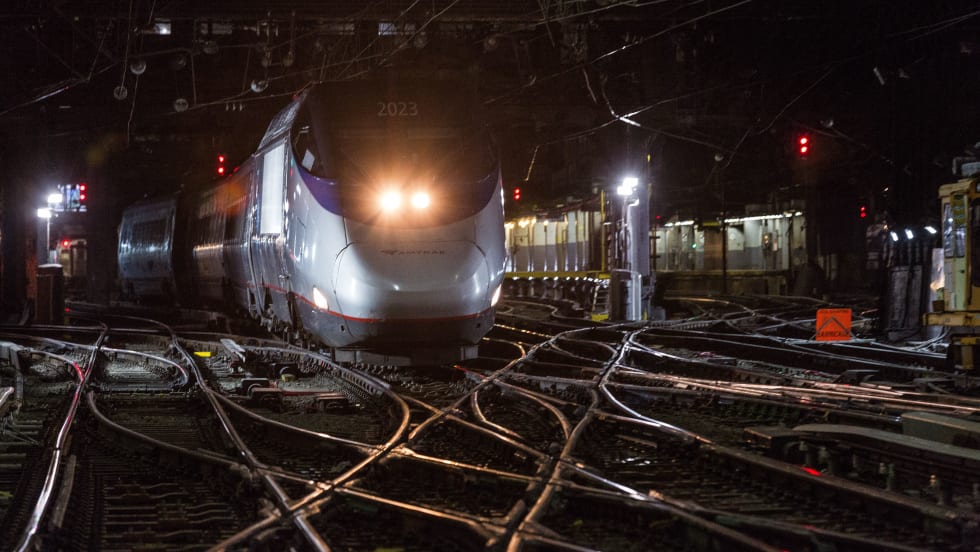
Amtrak Board Advances Plan to Restructure Organization, Seeks Public Input
The proposal, developed by Amtrak management and approved by the board for further consideration, is intended to modernize the organization's structure while improving accountability, operational efficiency, and customer service.
Read More →
Biz Briefs: STV teams with Amtrak, Motorcoach Operators Boost Fleet and Land Contracts, and More
From manufacturers and suppliers to transit agencies and motorcoach operators, these updates offer a snapshot of the projects, partnerships and business moves driving the industry forward.
Read More →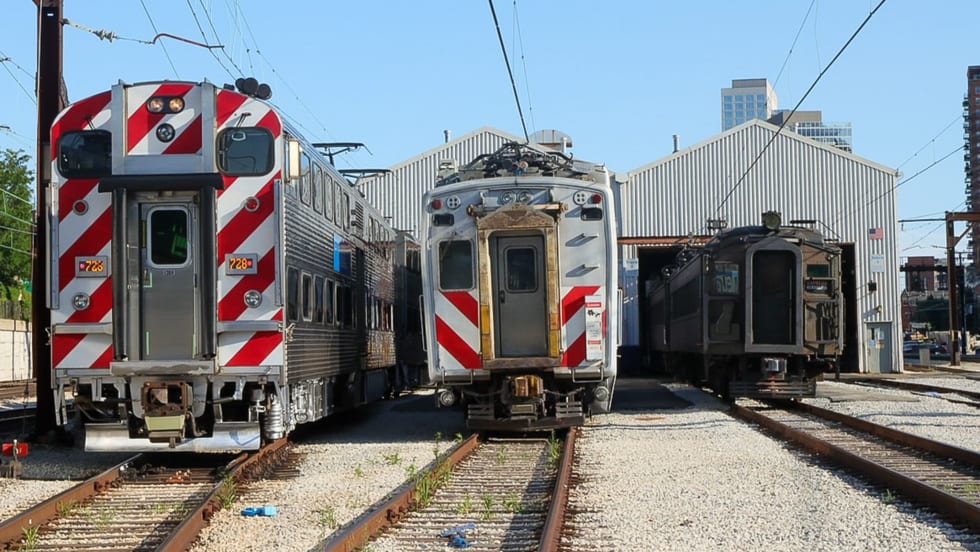
Metra Celebrates 100 Years of Electric Rail, Looks to the Future
The event was also a celebration of recent reforms to public transportation in the Chicago area, changes that could be as transformative in the future as the major civic achievement a century ago, said officials.
Read More →
LA Metro Marks Banner Year, Sets Ambitious Goals for New Fiscal Year
Incoming LA Metro Board Chair and Los Angeles Mayor Karen Bass joined outgoing Board Chair Fernando Dutra and LA Metro CEO Stephanie Wiggins to review accomplishments from fiscal year 2026, which included the opening of new rail extensions, advancement of major transit projects, expanded safety programs, and new rider amenities.
Read More →
DART Taps Nathaniel P. Ford Sr. as Next President/CEO
Since 2012, Ford has served as the CEO of the Jacksonville Transportation Authority
Read More →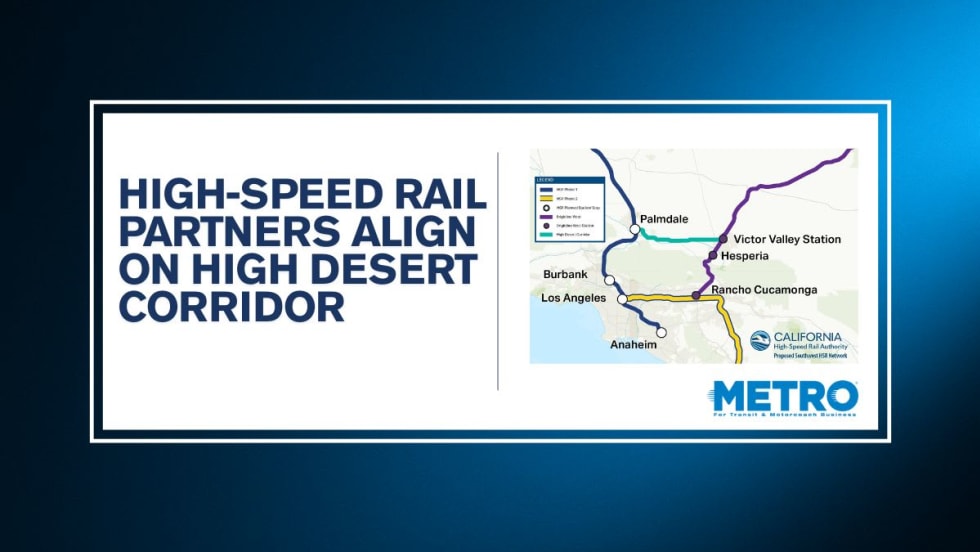
California High-Speed Rail Authority Signs MOU to Advance High Desert Corridor
The agreement deepens collaboration between the California High-Speed Rail Authority and the High Desert Corridor Joint Powers Agency, supporting design integration, cost savings, and faster delivery of a key Southern California rail link.
Read More →
Building the Next Generation of Transit Technology
In this edition of METROspectives, Luminator CEO Magnus Friberg discusses the company's transformation, the growing role of AI and software, and what's next for transit technology.
Read More →
How Data, Strategy, and Community Engagement Are Reshaping Transit
In this edition of METROspectives, strada360 CEO Steve Lassey discusses how transit agencies can better align planning with operations, leverage data to improve decision-making, and build public trust as they prepare for the future of mobility.
Read More →
TTC Launches Camera Pilot to Curb Illegal Passing of Streetcars
During the pilot, the cameras will measure how often illegal streetcar passing occurs and test the technology's reliability for future automated enforcement.
Read More →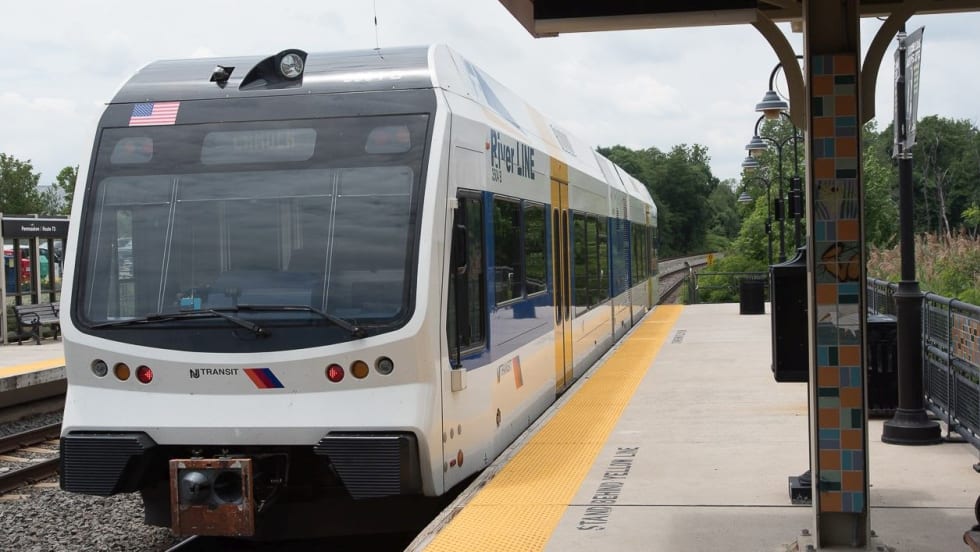
NJ TRANSIT Secures Capital Funding, Adopts FY2027 Budget
The budgets continue investments in infrastructure and equipment to maintain the system in a state of good repair and enhance the overall customer experience.
Read More →