




RELATED: How to prevent driver assaults
HART, lawmakers propose bills aimed at protecting transit workers
SB 1416 and HB 951 both seek to curb violent threats against uniformed public servants in the workplace.
January 21, 2020
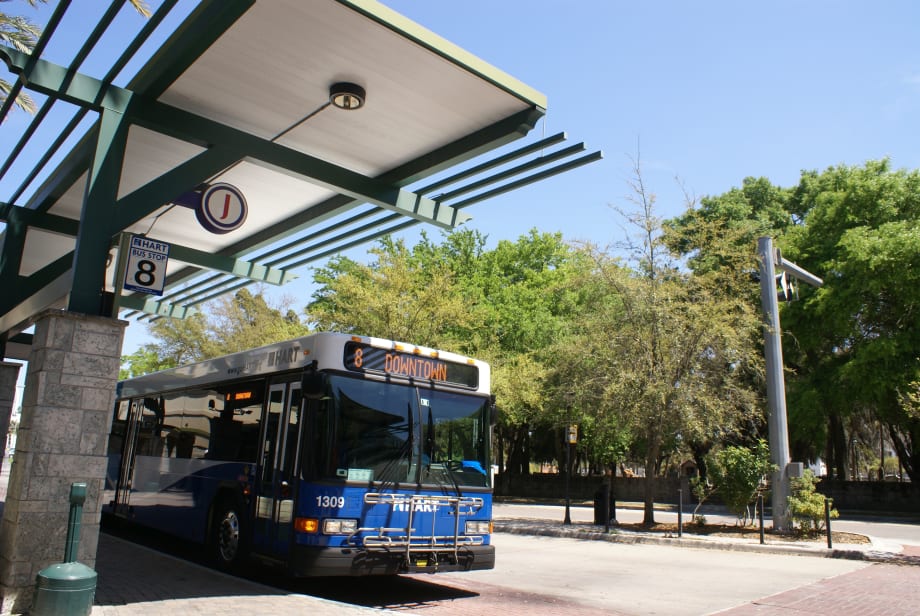
HART, State legislators propose safety changes to protect uniformed public transit employees.
HART
3 min to read
HART, State legislators propose safety changes to protect uniformed public transit employees.
HART
The agency collaborated with State Senator Keith Perry (R-Gainesville) and State Representative Michael Beltran (R-Tampa) who just filed the "Assaults on Specified Persons" for the 2020 session to propose safety changes to protect transit workers. SB 1416 and HB 951 both seek to curb violent threats against uniformed public servants in the workplace.
Sen. Perry and Rep. Beltran are spearheading the legislation which would require all Florida transit agencies and the State itself to make specific changes to enhance public safety and further protect uniformed public servants.
Assaults on Specified Persons SB 1416
Assaults on Specified Persons HB 951
"The Florida Public Transportation Association supports efforts to standardize the required training for transit employees and increase the penalties for an assault on an operator. We believe that these efforts will not only keep our operator's safer, but, will increase the safety for all of our passengers, as well," said Lisa M. Bacot, Executive Director of the Florida Public Transportation Association.
The leadership of Sen. Perry and Rep. Beltran to make all of these changes uniform across our state takes this public safety movement to a new level. The legislation proposes four changes:
may require the installation of protective barriers on public transit;
require the posting of the maximum penalty for assaulting a transit worker;
require mandatory training for drivers to defuse and de-escalate potentially violent situations; and
increase the current enhancement for assault against a uniformed public servant (transit workers, law enforcement and other first responders) from a 1st degree misdemeanor to a 3rd degree felony.
HART has already implemented three of these changes and advocating for a fourth to protect transit employees.
"Over the past seven months, one HART bus driver in Tampa has been murdered and another violently attacked, while operating public transit buses," said Rep. Beltran who is also a key member of the Hillsborough County delegation. "I filed this legislation in an effort to help keep people safe through tougher penalties for threats of violence, protective barriers for drivers, and increased training to help defuse potential threats."
"Protecting our transit workers is vital to keeping passengers safe. If a confrontation occurs while a bus is in motion, it poses a deadly threat to everyone on board and other drivers. Equally as important, I believe that no one should have to go to work and worry about being attacked," said Hillsborough County Sheriff Chad Chronister.
The proposed legislation mirrors the Amalgamated Transit Union's (ATU) push for similar changes on the national level with HR 1139.
Transit Worker and Pedestrian Protection Act S.436
Transit Worker and Pedestrian Protection Act H.R.1139
More Security and Safety

Transit Agencies Highlight Safety Gains at National Summit
Leaders from 15 major transit systems shared crime-reduction results and safety initiatives while discussing the role of continued federal support.
Read More →
DART Launches Major Security, Fare Enforcement Initiative
The 90-day demonstration will deploy coordinated security teams at five light rail stations while testing controlled access and gathering data to guide future investments.
Read More →
RTD Launches NextRide App to Consolidate Trip Planning, Fares, Security Reporting
The app expands on RTD’s existing NextRide web application and allows customers to view real-time vehicle locations and service alerts, purchase and store digital fares, and access customer support.
Read More →

TAPTCO Updates OSHA Compliance Training for Transit Maintenance Operations
The revamped program addresses 26 OSHA standards for maintenance facilities, with TAPTCO pointing to training, documentation, and everyday shop hazards as continuing challenges for transit operations.
Read More →
Sponsored•August 18, 2026
How VaporVision Adds Value to Transit Door Systems
Wabtec engineers explain how the system improves doorway detection, strengthens diagnostics and gives transit agencies and OEMs greater operating flexibility.
Read More →
FRA Announces $5.3B in Rail Investments, Including $2B for Amtrak
Funding will support grade-crossing improvements, infrastructure upgrades, and new Amtrak equipment in 23 states.
Read More →
Chicago, Maryland Expand Non-Law-Enforcement Safety, Rider Support
The CTA and MTA are launching new programs aimed at de-escalation, crisis response, rider assistance, and greater transparency.
Read More →
LA Metro, City of West Hollywood, and Partners Advance Smarter Bus Lane Enforcement
The award-winning partnership combines AI-powered detection with human oversight to improve bus reliability, accessibility, and enforcement efficiency.
Read More →
LA Metro Reports 57% Decline in Homelessness on Transit System Since 2024
The agency's latest homelessness count offers new data on how care-based services and cross-sector partnerships can complement traditional transit security strategies.
Read More →
FTA Launches 'Transit Moves America' Dashboard to Highlight Agency Safety and Performance
The online dashboard transforms National Transit Database information into a public-facing resource that allows users to compare transit agencies on key operational and safety metrics.
Read More →