




Read More: Alstom Renews Contract to Operate, Maintain Automated People Mover at Denver International
Hitachi Rail invests in Canada's Urban Rail Signaling Tech
Hitachi Rail partners with Invest Ontario to develop the next generation of urban rail signaling technology in Toronto.
November 26, 2024

Hitachi Rail is looking to upgrade its CBTC signaling technology by integrating AI, 5G, Edge, and cloud computing.
PHOTO: Hitachi Rail
3 min to read
Hitachi Rail is proud to partner with Invest Ontario as part of a more than C$100 million investment to upgrade its Communication-Based Train Control (CBTC) signaling technology.
Hitachi Rail aims to develop a new generation of its CBTC technology, SelTrac, which will integrate artificial intelligence, 5G communications, edge, and cloud computing.
Developing Signal Technology
The next generation system will offer transit operators worldwide lower costs, minimized carbon footprint, and enhanced passenger experience.
The investment includes the expansion of Hitachi Rail’s workforce in Toronto, creating 100 new jobs and retaining 1,000 highly skilled positions in its York Mills office, including R&D and engineering roles.
“The over C$100 million investment in the next generation of our world-leading SelTrac technology is hugely exciting – and we are grateful to the Government of Ontario and Invest Ontario for their support,” said Ziad Rizk, Managing Director, Urban Rail Signaling, Hitachi Rail. “By integrating AI, 5G, edge and cloud computing, our system will allow urban rail transportation operators around the globe to improve passenger journeys and operate more efficiently. This Ontario-invented technology is a Canadian success story that is creating jobs and boosting economic growth.”
CBTC is a modern urban signaling system that uses wireless communication between trains and infrastructure to operate urban transit and subway systems more efficiently and safely than conventional signaling.
SelTrac is the world’s first moving block CBTC signaling system and is currently operating in more than 100 lines in 40 major cities around the world including the O-Train in Ottawa.
Why Ontario?
Ontario is renowned for its strength in AI, automation, and connectivity technologies. The province’s expertise in smart mobility, combined with Hitachi Rail’s global competence center, makes Ontario the natural place to develop next-generation digital solutions for urban rail and metros.
“As one of the largest and most sought-after tech hubs in North America, Ontario is driving the development of next-generation technologies that will strengthen economic growth across key sectors, including automation and transportation,” said Vic Fedeli, Minister of Economic Development, Job Creation and Trade. “Through Invest Ontario, we are proud to support Hitachi Rail’s expansion in Toronto and thank them for choosing our province as the ideal place for their continued growth and success.”
The company’s York Mills office in Toronto serves as its engineering center of excellence, equipped with state-of-the-art facilities including labs, testing areas, and simulation environments.
This expansion adds to Hitachi Rail’s growing presence in Canada that includes around 1,200 employees across the country, who are delivering and maintaining major transit projects in Toronto, Vancouver, Montreal, and Ottawa.
Toronto is home to the company’s international urban transit signaling technology business, as well as large program teams based downtown and Mississauga that are delivering major new transit infrastructure, like the Ontario Line and Hurontario.
“Hitachi Rail’s investment is a testament to Ontario’s strengths in future technologies that are transforming industries from manufacturing to transportation. We are excited to support the company in advancing a made-in-Ontario technology that keeps cities around the world on the move,” said Jennifer Block, Interim CEO of Invest Ontario.
More Technology

ETA CEO John Maglio on Transit Technology, Innovation, and Building Agency Trust
ETA founder and CEO John Maglio explores the evolution of transit technology, the importance of reliable systems, and how stronger partnerships can help agencies improve operations and the passenger experience.
Read More →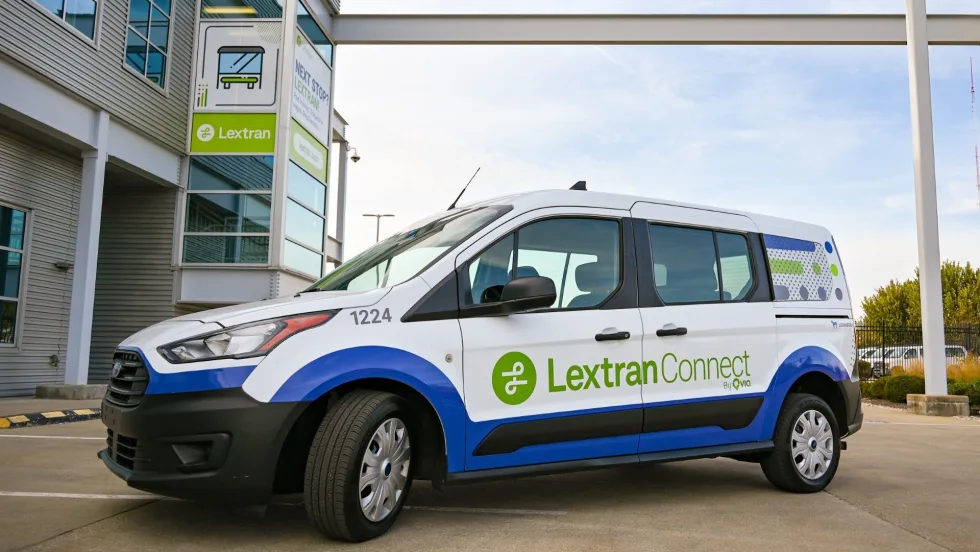
Lextran, Via Team for On Demand, HDR to Work on Twin Cities BRT, and More
In METRO's latest installment, we also take a look at recent news from Keolis, Complete Coach Works, Anchor Transportation, and more partnerships making headlines across the transportation sector.
Read More →
Caltrain’s Electrification Drives a New Era of Ridership Growth
The railroad’s shift to electric service has brought more frequent trains, stronger customer satisfaction, and increased ridership, earning it APTA’s Outstanding Public Transportation System award.
Read More →
Video Surveillance in Public Transit: What Riders Really Think
As video surveillance gains public acceptance, new research from Axis Communications reveals what transit riders expect from agencies when it comes to safety, privacy, and AI.
Read More →
New York MTA Launches Historic $1.9B Signal, Track Modernization Project
Funded in part by congestion pricing revenue, the project will replace nearly century-old signals along the A and C lines in Brooklyn and Queens.
Read More →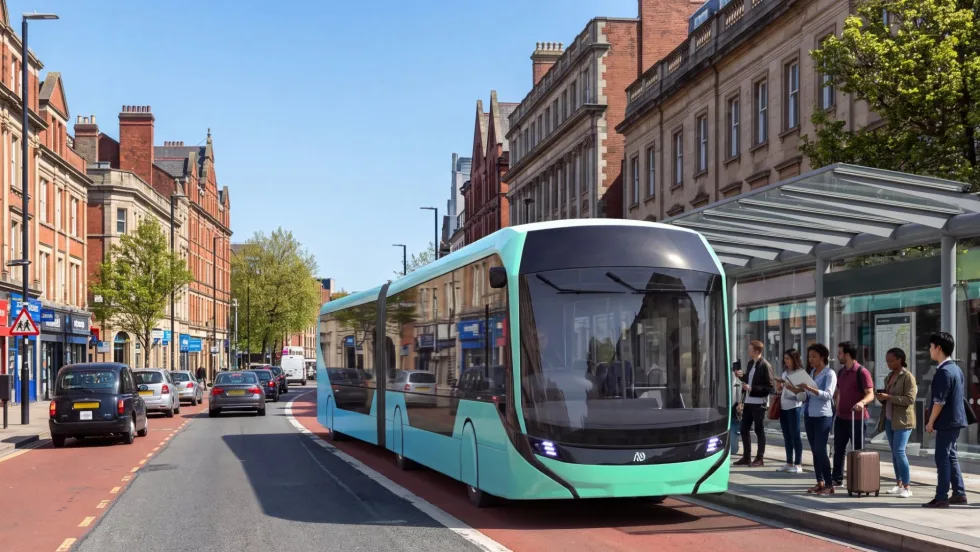
Biz Briefs: New Electric Offering from Alexander Dennis/Volvo, Transdev in Boston, and More
In METRO's latest installment, we also take a look at recent news from STV, WSP, Prevost, and more partnerships making headlines across the transportation sector.
Read More →
Roman Cornell on ABC Companies’ Evolution and the Future of Passenger Transportation
The company’s CEO discusses carrying forward a third-generation family legacy, ABC’s continued evolution in passenger transportation, support for increasingly complex fleets, and how technology and continued investment could help operators improve uptime.
Read More →
ETA CEO John Maglio on Transit Technology, Innovation, and Building Agency Trust
ETA founder and CEO John Maglio explores the evolution of transit technology, the importance of reliable systems, and how stronger partnerships can help agencies improve operations and the passenger experience.
Read More →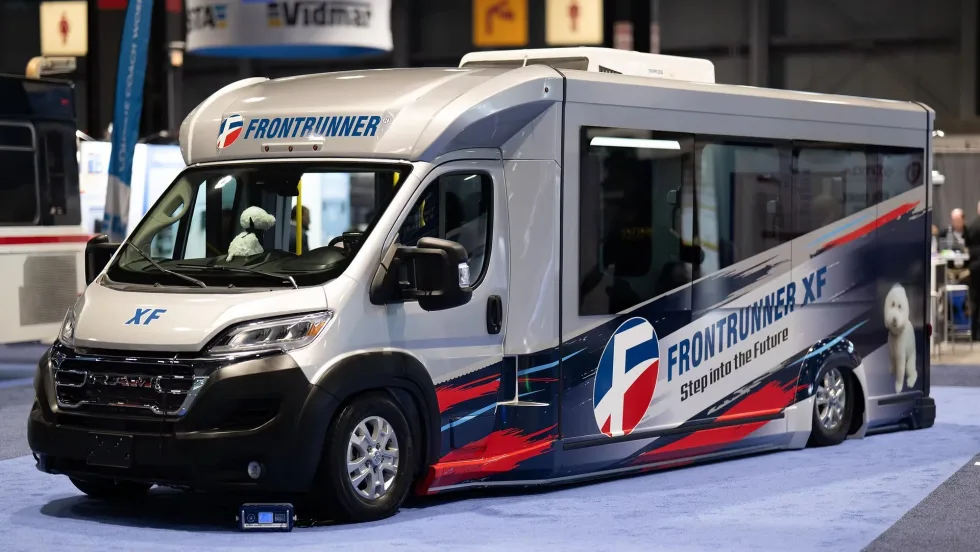
Frontrunner Bus Group Introduces XF Low-Floor Bus with Enhanced Accessibility
The new mid-sized bus features a full flat-floor design, eight-inch curbside step-in height, and zero-entry rear ramp to improve passenger access and operational flexibility.
Read More →
Building a Flexible Path to Transit Electrification with BAE's John Hroncich
John Hroncich discusses BAE Systems’ modular and scalable approach, lessons learned from decades of real-world operations, and how agencies can identify electrification strategies that fit their fleets.
Read More →