



Montana's Mountain Line Named Nation’s Best Transit System by CTAA
The award was presented to Mountain Line representatives at the CTAA Expo in mid-May, with bus operator Bryan Ursery, who has worked at Mountain Line for more than two decades, accepting the award on the agency's behalf.

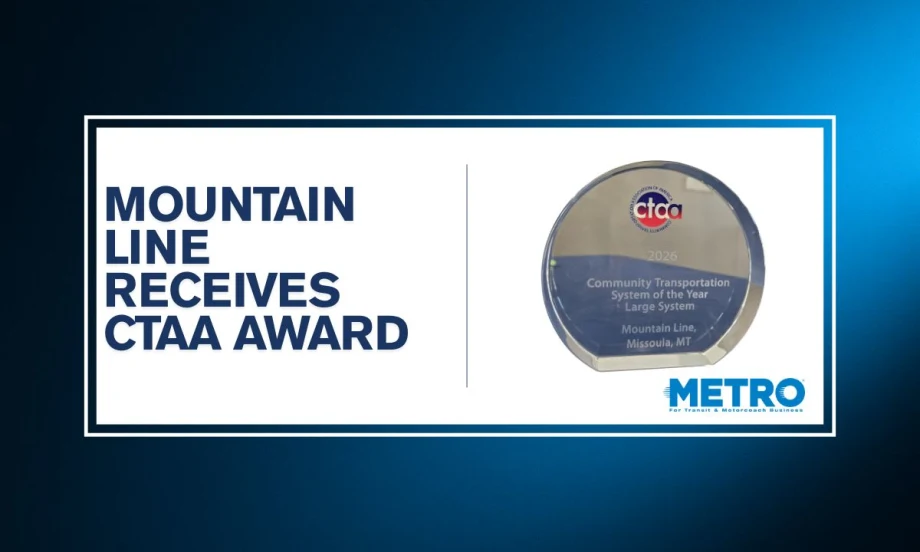
Mountain Line's application highlighted the agency's long-running leadership in zero-fare service and fleet electrification, as well as more recent initiatives, including the Marshall Mountain recreation shuttle.
CTAA/METRO
- Mountain Line representatives received an award at the CTAA Expo in mid-May.
- Bryan Ursery, a veteran bus operator with over two decades of service, accepted the award.
- The award highlights Mountain Line's recognition in the transportation industry.
*Summarized by AI
Missoula, Montana’s Mountain Line was named the best transit system of its size in the country by the Community Transportation Association of America (CTAA) during its annual celebration of agency achievements.
The award was presented to Mountain Line representatives at the CTAA Expo in mid-May, with bus operator Bryan Ursery, who has worked at Mountain Line for more than two decades, accepting the award on the agency's behalf.
“This award recognizes our employees who help Missoulians get to where they need to go 361 days a year, but it also celebrates all of Missoula,” said CEO/GM Jordan Hess. “The award-winning service Mountain Line provides is only possible because of the community's support.”
The CTAA's annual awards highlight excellence in a variety of areas, including innovative community services, responsiveness to community needs and goals, collaboration with a wide range of other organizations, and more.
Continuing to Charge Ahead
Mountain Line's application highlighted the agency's long-running leadership in zero-fare service and fleet electrification, as well as more recent initiatives, including the Marshall Mountain recreation shuttle, which will return for a full season this weekend after an initial seven-week pilot program in Fall 2025.
In July, Mountain Line will launch new routes and frequency improvements as part of a cost-neutral system update, reflecting evolving ridership trends and extensive community input on service needs across Missoula.
The changes will include a new Route 10, connecting the north Franklin area to the Fort area and downtown with half-hour service six days a week, the first higher-frequency service to be offered on Saturdays.
The new Route 10 will serve the Wyoming Street corridor and the Missoula Food Bank, and offer a more direct route to downtown and system transfers to multiple low- to median-income neighborhoods. The agency’s Routes 3 and 4 will also see increased frequency in response to high ridership demand on the Northside and in East Missoula.
Future service improvements will also bring new service to neighborhoods, where new housing is rapidly increasing density and demand for transit.
CTAA is proud to award Mountain Line with the 2026 Large System of the Year Award. They deliver the essential transit services their community wants and needs. They are an exemplary example for us to showcase to the rest of our members,” shares CTAA Chief of Staff Loreal Lance. “It’s always difficult to choose winners for the Community Transportation awards. Mountain Line was chosen for its leadership in innovative, accessible public transit. They were the first in Montana to offer seven-day-a-week service and have provided zero-fare service for over a decade.”
Additional Projects in the Works
Mountain Line is also poised to begin construction on a new maintenance, operations, and administration base, supported by a competitive federal grant awarded to the agency in 2023.
The new facility is expected to meet agency needs for decades, helping Mountain Line provide a high level of service across Missoula.
Quick Answers
The award was presented at the CTAA Expo in mid-May.
*Summarized by AI
More Management
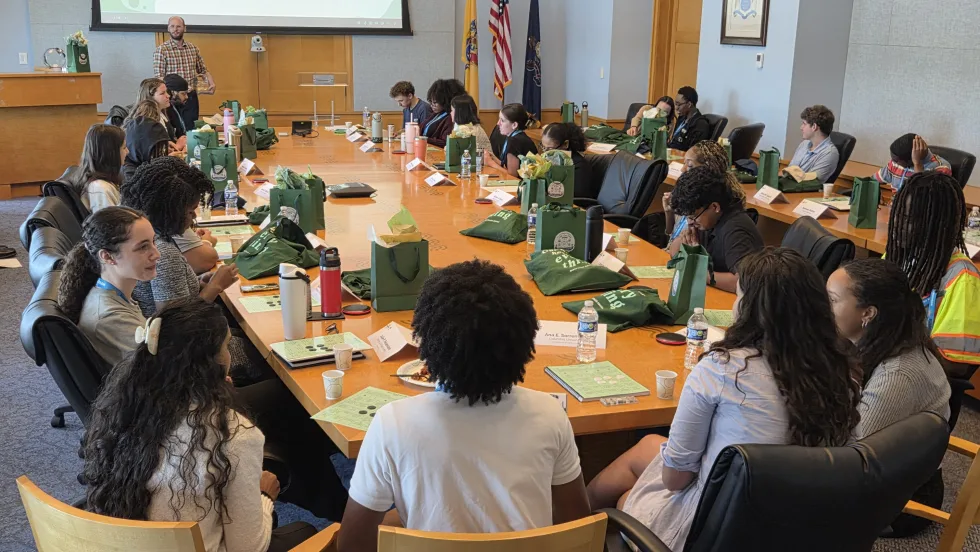
7 Ways to Build a Better Transit Internship
Lessons from DRPA/PATCO’s approach to creating a meaningful internship experience—and developing the next generation of transportation professionals.
Read More →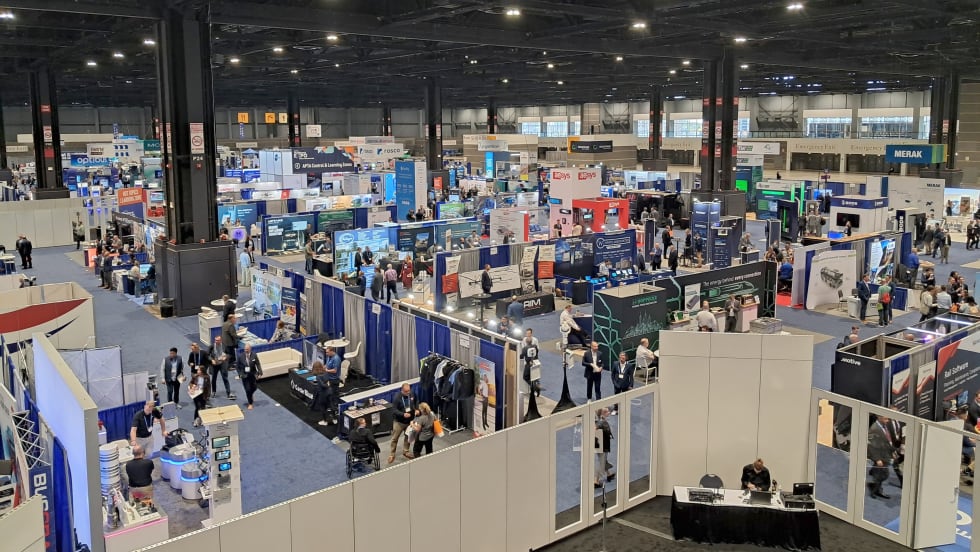
Scenes from APTA TRANSform & EXPO 2026
Transit leaders, manufacturers, and industry professionals gathered in Chicago to explore new technologies, share ideas, and discuss the future of public transportation.
Read More →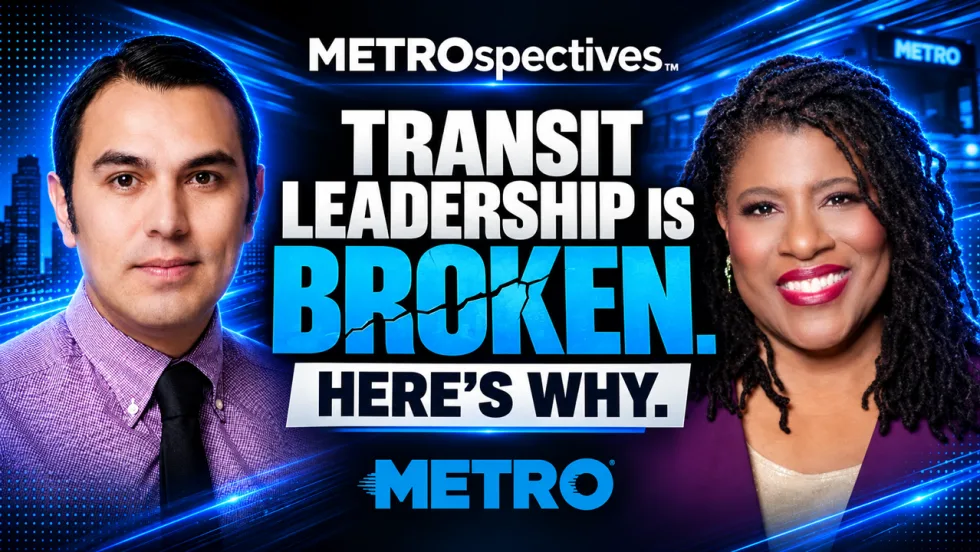
Building Stronger Leaders, More Resilient Transit Teams
Dr. Carol Parker Walsh discusses leadership development, employee retention, workplace culture, and preparing transit’s workforce for AI and automation.
Read More →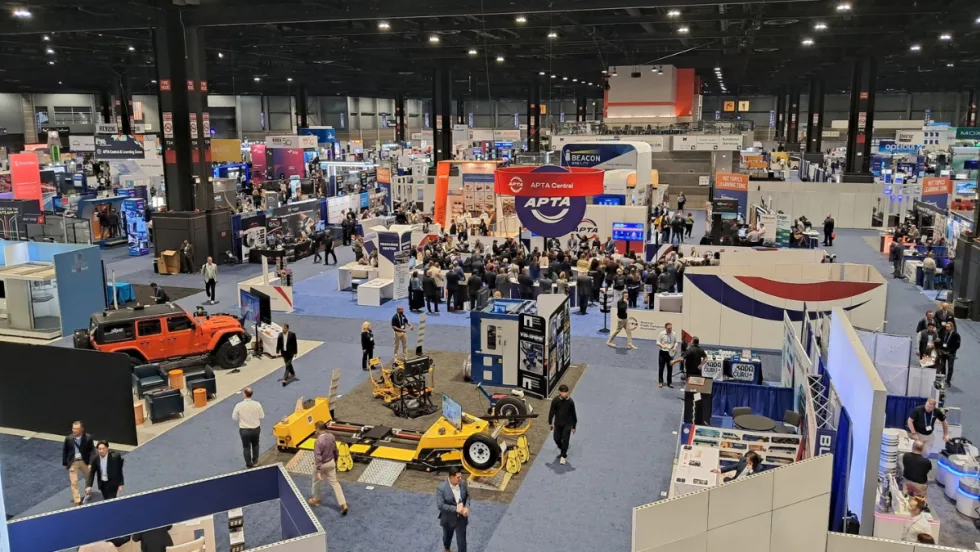
APTA 2026 TRANSform & EXPO Kicks Off in Chicago
After 45 years, APTA returns to Chicago with a focus on next-generation fleets, AI, connected transit networks, and the funding strategies shaping public transportation’s future.
Read More →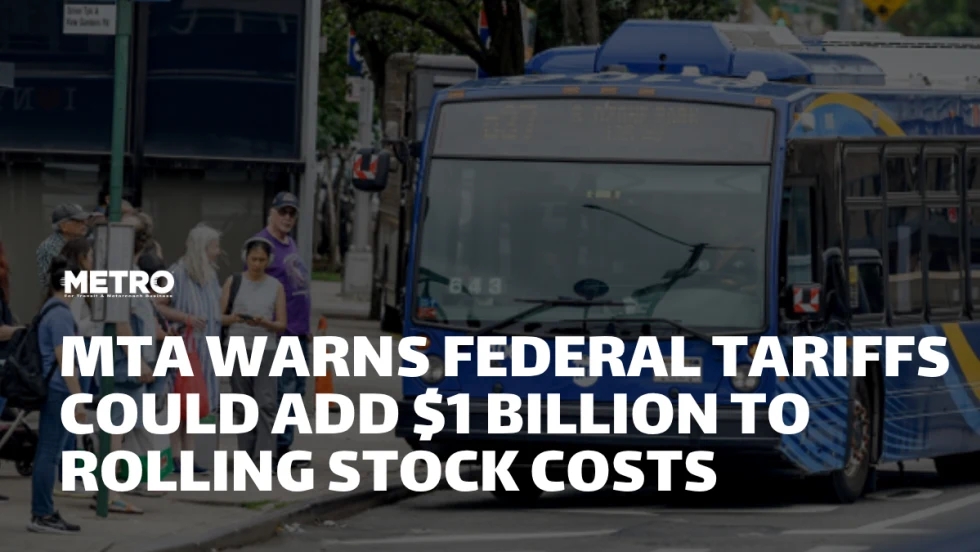
New York MTA Warns Federal Tariffs Could Add $1 Billion to Rolling Stock Costs
The agency said tariffs on specialized imported components could reduce the purchasing power of its $23 billion investment in new subway cars, railcars, and buses.
Read More →
From the Show Floor: What Happened at APTA TRANSform & EXPO 2026
See the latest product launches, partnerships, technology updates, and transit industry announcements from APTA TRANSform & EXPO in Chicago.
Read More →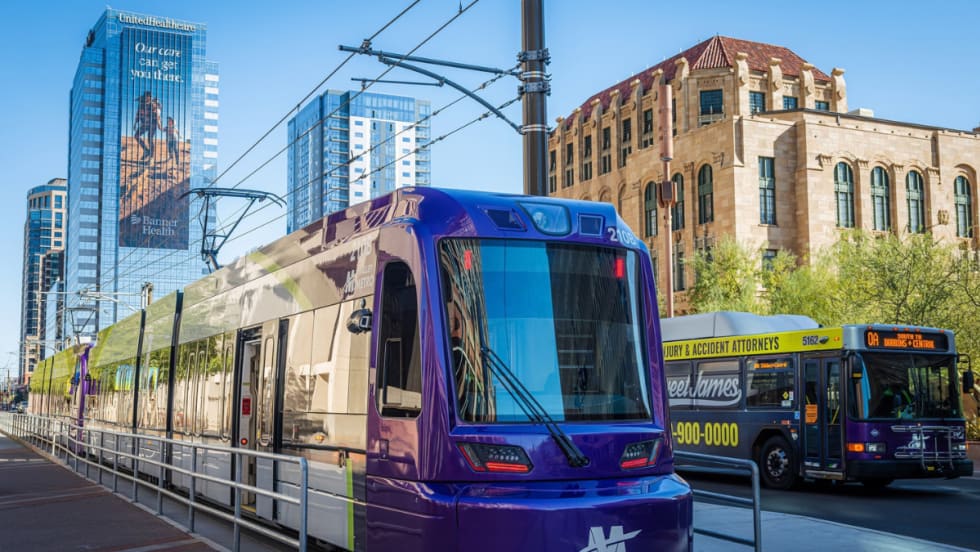
How Valley Metro Is Balancing Transit Growth With the Rider Experience
The APTA award-winning agency is pairing rapid system expansion with investments in workforce, safety, technology, and the fundamentals of transit service.
Read More →
Bus Tech Talk: Keeping Transit Technicians Ahead of the Technology Curve
In this episode of Bus Tech Talk, Complete Coach Works’ Business Development Manager Mark Hollenbeck and METRO’s Executive Editor Alex Roman sit down with Obed Mejia, Senior Technical Trainer for Bus Maintenance, at LA Metro to discuss how rapidly evolving bus technology is changing the maintenance shop — and the skills technicians need to keep pace.
Read More →
Michael Schneider Joins Paslay Group to Expand Transportation Practice
The longtime transportation executive will help Paslay Group grow its advisory and program management work across transit, highway, and other infrastructure sectors.
Read More →
People Movement: Connectpoint Expands Leadership Team, Stadler Names New Group CEO, and More
In this edition, we also spotlight recent personnel moves at Burns, UZURV, and more, highlighting the people taking on new roles across the transportation industry.
Read More →