



Idling rules, parking hinders operators, ABA says
Currently, buses have only three minutes to idle on city streets, and must load and unload passengers in the time frame.

Current idling and parking regulations are unworkable and are a detriment to tourism in New York City, according to testimony by the American Bus Assocition (ABA). ABA Vice President of Government Affairs, Clyde Hart, testified last week before the City Council of New York City Committee on Environmental Protection oversight enforcement and of compliance with idling restrictions in New York City, for which the city is considering altering. Currently, buses have only three minutes to idle on city streets, and must load and unload passengers in the time frame. New York City is considering increasing fines for idling and expanding enforcement of the regulations. ABA's position is that the unloading and loading of passengers cannot be governed strictly by time, and increased penalties will result in fewer buses bringing tourists to the area. The ABA is urging the council to modify its regulations to allow motorcoach operators latitude to idle a bus. "Frankly, there is no way for any motorcoach to safely load or unload within three minutes," said Hart in his testimony. "A bus with 50 or more passengers requires more time and the disembarking of the passengers and their personal baggage adds more time to the process." There is also a concern by the ABA that regulating idle time will interfere with the safety features of the bus. Running a motorcoach engine is require for the vehicle's air conditioning and brakes to be functional. The ABA contends that the three minutes bay be an insufficient amount of time to ensure that enough air has gone to the brakes. The ABA is also asking the city to help in finding ways to alleviate the bus-parking crisis.
More Management
People Movement: ABC Names John Walsh as Chief Commercial Officer
In this edition, METRO also covers recent appointments and announcements at the DART, STV, and more, showcasing the individuals helping to shape the future of transportation.
Read More →
From Surviving to Thriving: Building Stronger Transportation Organizations
Bus Business Consultants founder Brian Dickson shares lessons on leadership, organizational health, and creating options for long-term success in a changing transportation industry.
Read More →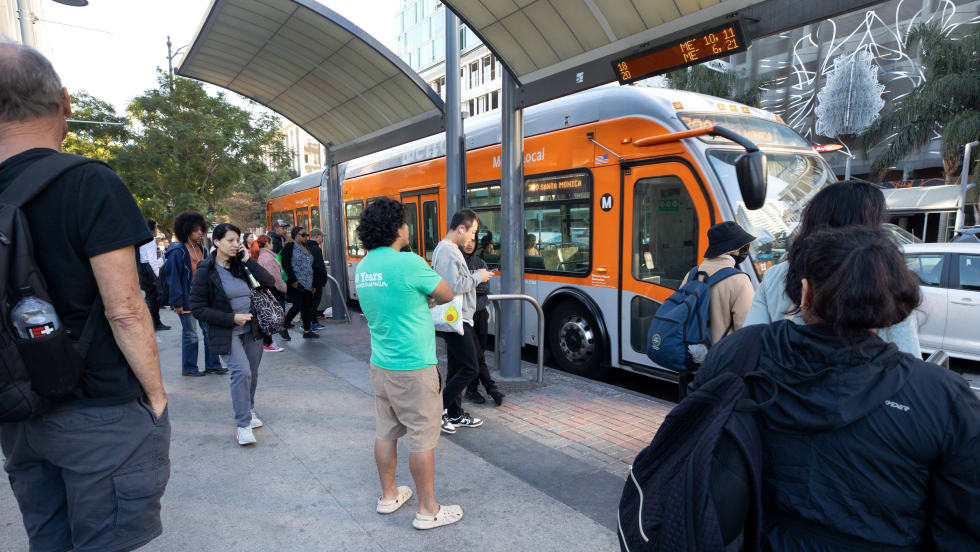
LA Metro Ridership Continues Growth as Rail Gains Accelerate
New rail connections and major events help drive continued ridership gains, with Metro recording its eighth consecutive month of year-over-year rail growth.
Read More →
TransDASH Summit Focuses on Measuring What Matters in Transit
Transit agencies unveil a national performance platform designed to benchmark customer experience, safety, community value, and other outcomes.
Read More →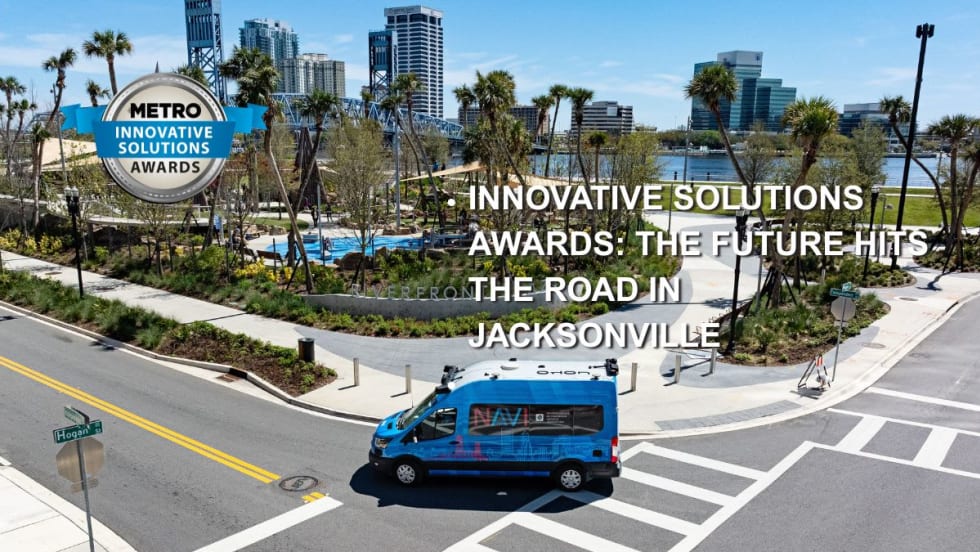
Jacksonville’s NAVI Project Charts a New Course for Autonomous Public Transportation
Through its NAVI program, JTA is showing how autonomous vehicles, intelligent infrastructure, and coordinated operations can work together to deliver everyday public transportation.
Read More →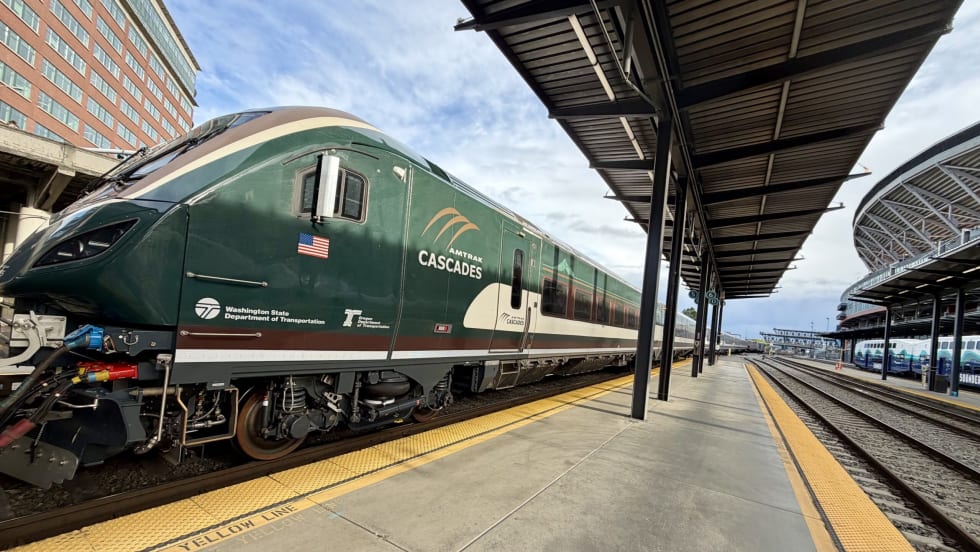
FRA Announces $5.3B in Rail Investments, Including $2B for Amtrak
Funding will support grade-crossing improvements, infrastructure upgrades, and new Amtrak equipment in 23 states.
Read More →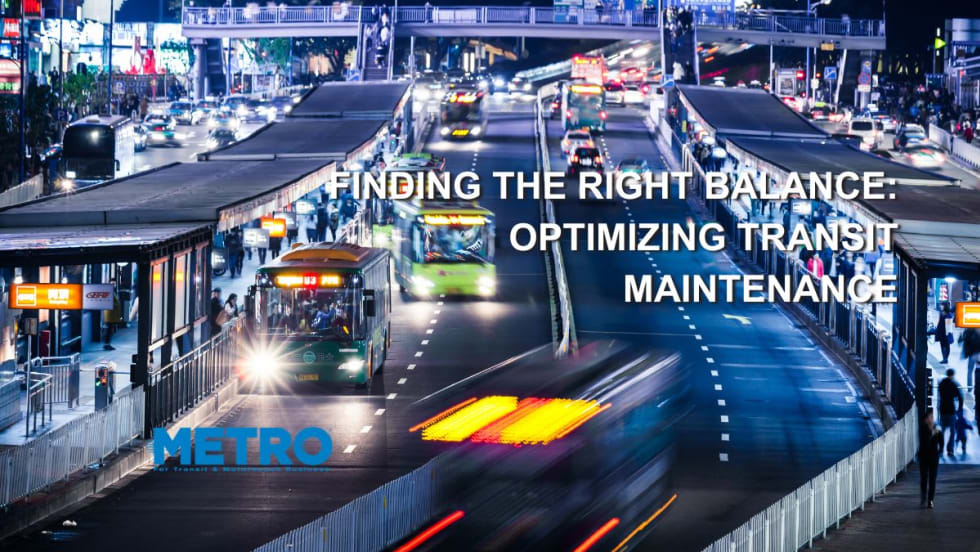
Finding the ‘Happy Medium’: Optimizing Maintenance Without Sacrificing Reliability
The key to maintenance optimization isn’t doing less work—it’s doing the right work at the right time on the right assets.
Read More →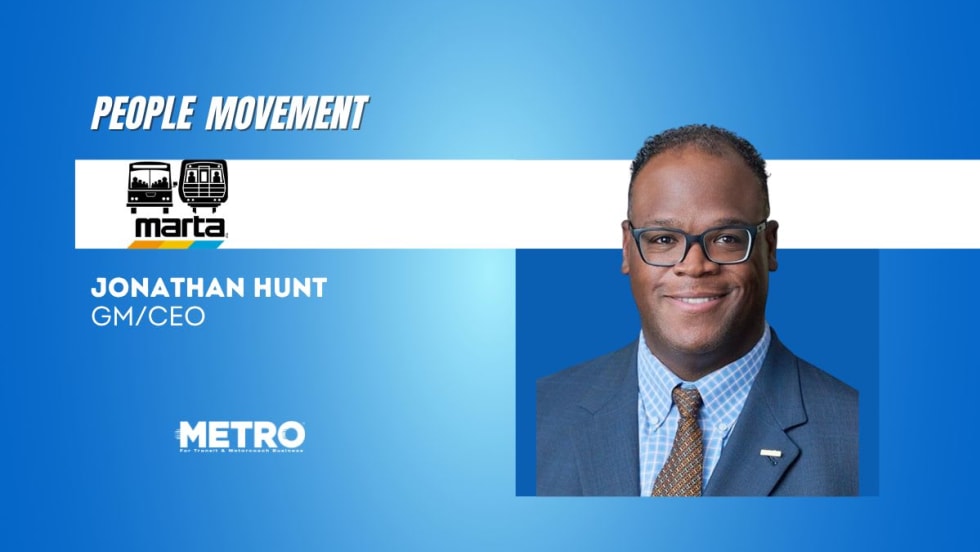
People Movement: MARTA Drops Interim Tag on GM/CEO Hunt and More
In this edition, METRO covers recent appointments and announcements at the FMCSA, HDR, SilverRide, and more, showcasing the individuals helping to shape the future of transportation.
Read More →
VIA Metropolitan Transit Reports 2 Million More Passenger Trips as Better Bus Plan Gains Momentum
San Antonio's transit agency said accelerated service improvements are driving ridership growth, offering another example of how increased frequency and workforce investments can translate into stronger transit performance.
Read More →
ABAF Study Reveals Growing Insurance Crisis for Motorcoach Operators
Preliminary findings show 98% of operators faced premium increases over the past five years, while shrinking insurer participation is putting added pressure on businesses and customers.
Read More →