



Illinois' RMTD Adds 14 Paratransit Vehicles
In addition, RMTD also launched a project to replace its current paratransit scheduling and dispatching software with a new system.

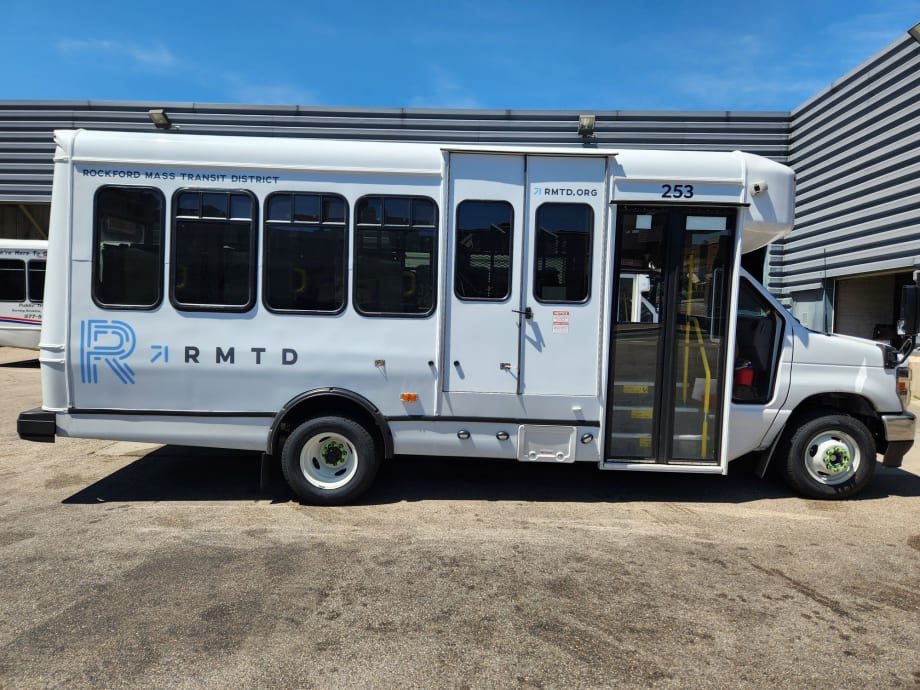
The replacement vehicles, which recently began being placed into service, will be more efficient to operate and reduce overall maintenance costs.
Photo: RMTD
The Illinois-based Rockford Mass Transit District (RMTD) recently acquired and received 14 new paratransit vehicles.
The 14 vehicles are replacing the oldest and highest mileage vehicles in the current paratransit fleet.
RMTD’s New Paratransit Fleet, Tech
The replacement vehicles, which recently began being placed into service, will be more efficient to operate and reduce overall maintenance costs. The new vehicles also come equipped with a new wheelchair securement system, which RMTD expects to be more convenient for customers who utilize it.
In addition, RMTD also launched a project to replace its current paratransit scheduling and dispatching software with a new system.
The new software is expected to improve trip scheduling efficiencies, which will help improve the customer experience by reducing wait times. Also, the new software will provide enhanced customer facing tools, including the ability for customers to schedule their owns rides, confirm rides, and check their arrival times through a new phone application, as well as receive updates via phone, email, or text/SMS notifications.
The project is expected to take six months to fully implement. The install of the core system will occur over the next three months with the customer facing features to follow. RMTD will be providing paratransit customers updates on the new customer facing tools as the project progresses.
More Paratransit

Biz Briefs: RIPTA Unveils New Frontrunners, Clevland RTA Adds New Siemens, and More
In METRO's latest installment, we take a look at recent news from Siemens, Prevost, Dodge, and more partnerships making headlines across the transportation sector.
Read More →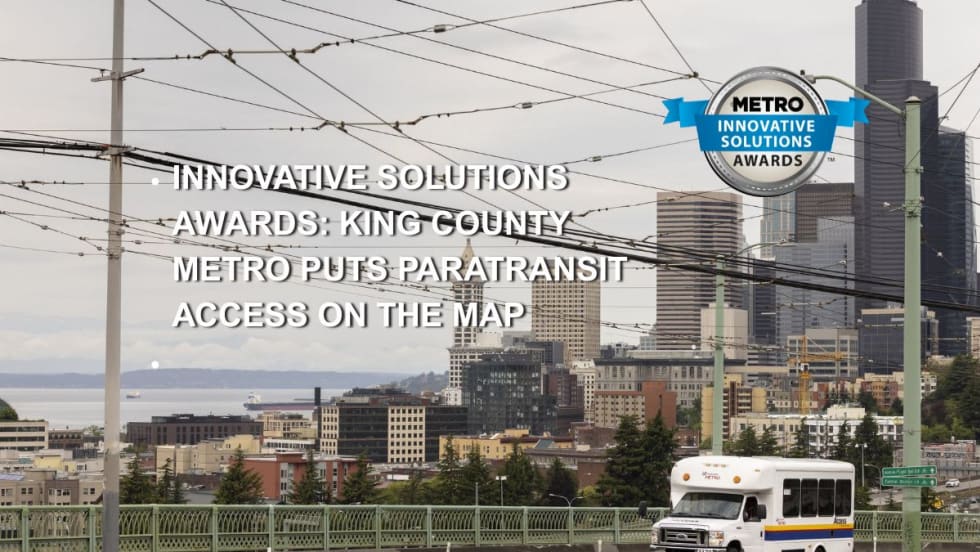
King County Metro Makes ADA Paratransit Easier to Navigate
METRO's Innovative Solutions Award winner replaces complex service-area descriptions with an accessible, interactive map that puts paratransit information directly in customers’ hands.
Read More →
Jacksonville’s NAVI Project Charts a New Course for Autonomous Public Transportation
Through its NAVI program, JTA is showing how autonomous vehicles, intelligent infrastructure, and coordinated operations can work together to deliver everyday public transportation.
Read More →
Driving Smarter Paratransit
John Hanlon shares how AlphaRoute is leveraging AI-powered technology to help paratransit providers optimize operations, support frontline staff, and enhance the rider experience.
Read More →
METRO Magazine Announces 2026 Innovative Solutions Awards Winners
Projects Recognized for Advancing Mobility Through Technology, Accessibility, Workforce Innovation, and Operational Excellence
Read More →
Biz Briefs: STV teams with Amtrak, Motorcoach Operators Boost Fleet and Land Contracts, and More
From manufacturers and suppliers to transit agencies and motorcoach operators, these updates offer a snapshot of the projects, partnerships and business moves driving the industry forward.
Read More →
Biz Briefs: Masabi Teams with St. Louis Metro and More
In METRO's latest installment, we take a look at recent news from Transdev, Hitachi, and more partnerships making headlines across the transportation sector.
Read More →
New York MTA Leverages Zoning Program to Advance Station Accessibility
Accessibility enhancements at Nevins St Station will be financed through a development agreement tied to the MTA's Zoning for Accessibility initiative.
Read More →
Reinventing Fleet Maintenance with Real-time Visibility and AI
Transit leaders need to know what needs fixing, where to look, who is responsible, when work is completed, and what it costs without having to chase information across disconnected systems.
Read More →
SamTrans Sets Priorities for Potential Connect Bay Area Revenue
The board-approved framework allocates future funding to maintaining service, rider improvements, equity initiatives, and infrastructure repairs.
Read More →