




Intercity Bus Lines Make Big Moves, Heightening Competition and Customer Choice
Intercity Bus Lines Bounce Back in Autumn, Even as Omicron Loom
Even as carriers grapple with the latest COVID-19 variant, which has chilled demand, the fundamentals of the industry’s consumer market still appear strong.
January 10, 2022
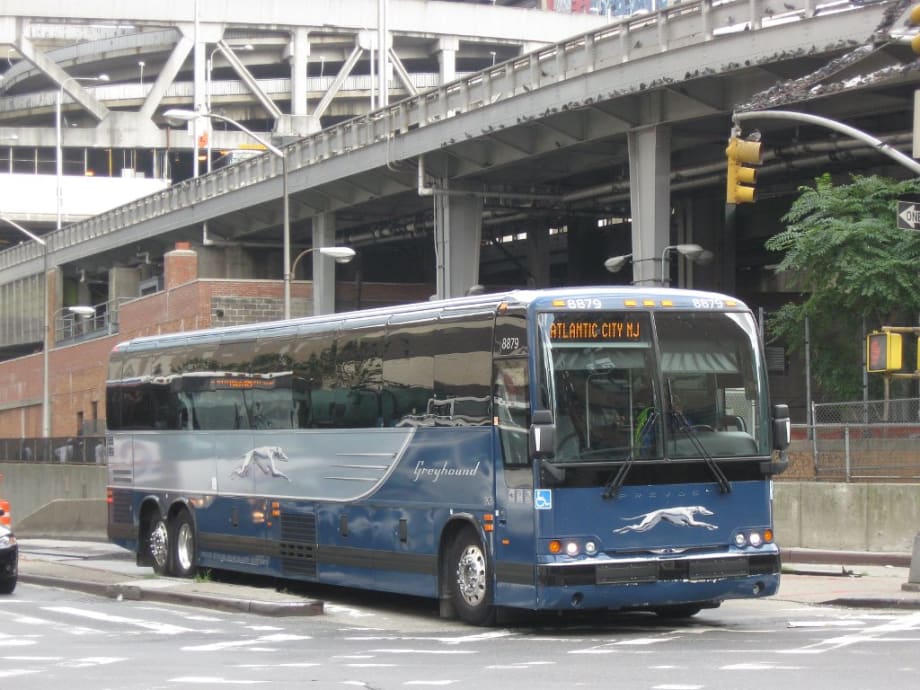
The industry is also poised to benefit from the Bipartisan Infrastructure Bill passed by the U.S. Congress on November 22, which sets the stage for electric buses, upgraded intermodal stations and highways, rebuilt expressways, and more connecting services with Amtrak.
Credit:
Greyhound
4 min to read
Renewed interest in personal travel, higher gasoline prices, and an array of new services are allowing the country’s struggling intercity bus industry to regain momentum, concludes a DePaul University report released at the American Bus Association’s Marketplace 2022 in Dallas.
“After a devastating 18 months marred by lackluster travel demand, severe driver shortages, and discouraging setbacks on Capitol Hall, there is again considerable optimism,” notes Joe Schwieterman, director of DePaul University’s Chaddick Institute, publisher of the newly released The Intercity Bus Bounceback report.
Even as carriers grapple with the latest COVID-19 variant, which has chilled demand, the fundamentals of the industry’s consumer market still appear strong. Favorable autumn ridership trends come as good news for Greyhound, FlixBus, Megabus, Peter Pan, and dozens of other smaller lines.
Such operators have suffered more during the pandemic than most other transportation companies, the report notes, due to the closing of college campuses, the emptying of downtown districts, and the relative dearth of federal pandemic-related aid. According to the American Bus Association, 25% of the bus industry has closed due to COVID-19.
“Federal aid to the sector has lagged that for airlines, public transit, and Amtrak,” notes Schwieterman, who adds that “the hardships facing the scheduled bus lines can hardly be overstated.”
The report notes that traffic on intercity buses reached 80% of pre-pandemic levels on some routes by Thanksgiving, and also has a cautionary note on the slow recovery of the commuter, charter, and tour bus sectors, which remains sluggish. Ridership on scheduled longer-distance routes has reportedly been particularly robust outside of the Northeast and California, where public-health advisories have put a drag on demand.
“Despite the chill created by COVID-19’s Omicron variant, there is growing confidence that spring and summer will see a sustained build-up in passenger bookings,” Schwieterman notes.
The report points to several notable 4th quarter moves:
Greyhound resumed cross-border service to Canada in October; Amtrak, by comparison, still has not restarted these routes.
Colorado’s Bustang added service on its South and West Lines, Salt Lake Express added rural Nevada routes, and OurBus started three new Northeast routes.
FlixBus launched service in the Pacific Northwest and added more updated New York service in November.
Another favorable development was FlixMobility’s (parent company of Flixbus) purchase of Greyhound Lines in October, raising hope for renewed investment to enhance and modernize the legacy carrier’s network.
“This is one of the largest transactions to affect the industry in years,” notes Allison Woodward, co-author of the report. The deal excludes Greyhound’s sizeable real-estate holdings, which indicates that a primary motive for FlixMobility’s making the acquisition is to deepen its roots in the North American bus market. Flixbus has expanded across the continental U.S. at an ambitious pace since 2019, giving it more experience in the North American market.
New first- and business-class services have also emerged. For example:
Florida-based RedCoach added first- and business-class routes in Texas in October. The new service links Austin, Dallas, and Houston with stops in Waco and College Station. First-class coaches have just 27 seats, and business-class coaches have 38, allowing for more legroom than the 50-plus seat coaches used for many conventional services.
“The Jet” launched New York – Washington, D.C. first-class service using spacious buses having just 14 seats on November 8. This new provider generally offers two daily trips in each direction at prices around $100.
“New luxury service, together with the restoration of most premium services available before the pandemic, indicates that bus companies seek to compete head-to-head with short-hop flights — while allowing customers to avoid airport security lines,” notes Abby Mader, another report co-author.
The industry is also poised to benefit from the Bipartisan Infrastructure Bill passed by the U.S. Congress on November 22, which sets the stage for electric buses, upgraded intermodal stations and highways, rebuilt expressways, and more connecting services with Amtrak. The enormous scale of the bill, which includes $2.5 billion for electric buses, will offer direct and indirect benefits for coach lines. “Expect more Amtrak Thruway bus routes complementing the expansion of rail-passenger services,” notes Schwieterman.
The authors stress the need for more federal support for ailing commuter-bus, tour, and charter operators. “The rest of 2022 will be a pivotal year for the industry bus industry. According to Schwieterman, “based on what we saw in the fourth quarter, you can expect many more surprises—hopefully there will be more good ones than bad.”
The Chaddick Institute report can be accessed here.
More Motorcoach

METRO Opens Submissions for 2026 Motorcoach Awards
Nominations are now being accepted for METRO Magazine’s Operator of the Year and Innovative Operator of the Year awards.
Read More →
Biz Briefs: Alstom Lands Canadian Contract, LYT to Supply California TSP, and More
In METRO's latest installment, we take a look at recent news from Complete Coach Works, Beep, FlixBus, and more partnerships making headlines across the transportation sector.
Read More →
Biz Briefs: RIPTA Unveils New Frontrunners, Clevland RTA Adds New Siemens, and More
In METRO's latest installment, we take a look at recent news from Siemens, Prevost, Dodge, and more partnerships making headlines across the transportation sector.
Read More →
People Movement: Holly Arnold Joins Transdev and More
In this edition, we also cover recent appointments and announcements at Pace, CamTran, MCI, and more, showcasing the individuals helping to shape the future of transportation.
Read More →
ABA Report: Motorcoach Travel Generates $161.6B Economic Impact
The 2025 analysis finds motorcoach travel supported nearly 900,000 jobs and generated $28 billion in federal, state, and local taxes.
Read More →
CharterUP’s Armir Harris on Technology, AI, and the Future of Group Mobility
In a recent episode of METROspectives, CharterUP Founder/CEO Armir Harris discussed the company’s evolution from an online charter bus marketplace into a technology platform supporting public- and private-sector mobility and much more.
Read More →
People Movement: ABC Names John Walsh as Chief Commercial Officer
In this edition, METRO also covers recent appointments and announcements at the DART, STV, and more, showcasing the individuals helping to shape the future of transportation.
Read More →
From Surviving to Thriving: Building Stronger Transportation Organizations
Bus Business Consultants founder Brian Dickson shares lessons on leadership, organizational health, and creating options for long-term success in a changing transportation industry.
Read More →
Biz Briefs: Luminator Marks Milestone and More
From manufacturers and suppliers to transit agencies and motorcoach operators, these updates offer a snapshot of the projects, partnerships and business moves driving the industry forward.
Read More →
ABAF Study Reveals Growing Insurance Crisis for Motorcoach Operators
Preliminary findings show 98% of operators faced premium increases over the past five years, while shrinking insurer participation is putting added pressure on businesses and customers.
Read More →