



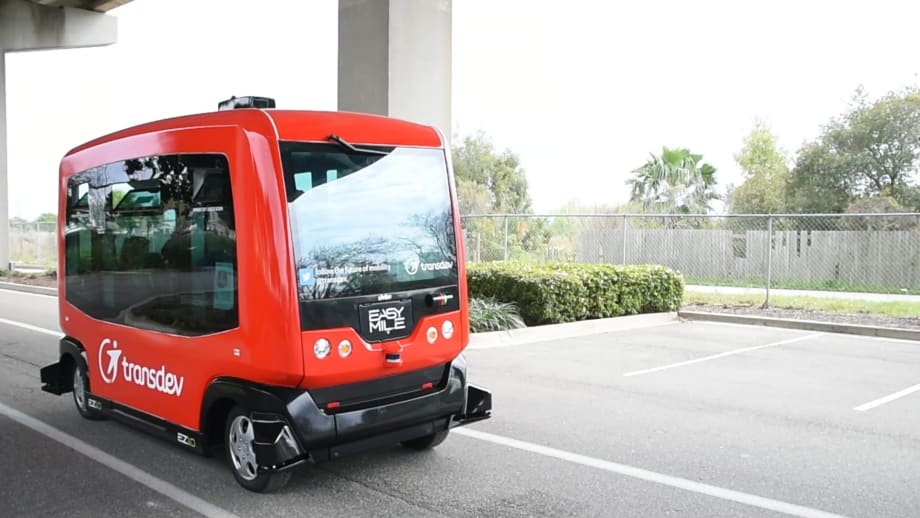
Jacksonville hosts Easy Mile autonomous vehicle demonstration
More than a hundred people attended the event to learn more about the future of the Skyway and take a ride in a vehicle that utilizes next generation autonomous vehicle technology.

JTA

The Jacksonville Transportation Authority (JTA) hosted a demonstration of the Easy Mile EZ10 autonomous vehicle on Wednesday. More than a hundred people attended the event to learn more about the future of the Skyway and take a ride in a vehicle that utilizes next generation autonomous vehicle technology.
On Feb. 23, the JTA Board of Directors approved the recommendations of the Skyway Modernization Program report and authorized staff to begin work on the Development of the Ultimate Urban Circulator Program or U²C.
“The U²C program will help drive economic growth through enhanced mobility, connectivity, sustained economic growth and vibrancy for Jacksonville,” said JTA CEO Nathaniel P. Ford Sr. “This is a defining project for the City of Jacksonville and Northeast Florida and we are excited to be a leader in the effort to harness this new technology.”
The U²C plan includes using existing investments in the Skyway and harnessing the potential of emerging technology to better connect people and places in and around downtown. Implementing this bold, but necessary vision to enhance the transportation system of tomorrow will take innovation and successful partnerships, community buy-in, and essential financial resources.
Ford asked the audience to envision a future in which they can park their car in a downtown lot, visit a local restaurant and then ride the JTA along Bay Street to a concert at Daily’s Place. His visualization also includes a future 10K run across the new pedestrian bridge.
More New Mobility

Biz Briefs: Luminator Marks Milestone and More
From manufacturers and suppliers to transit agencies and motorcoach operators, these updates offer a snapshot of the projects, partnerships and business moves driving the industry forward.
Read More →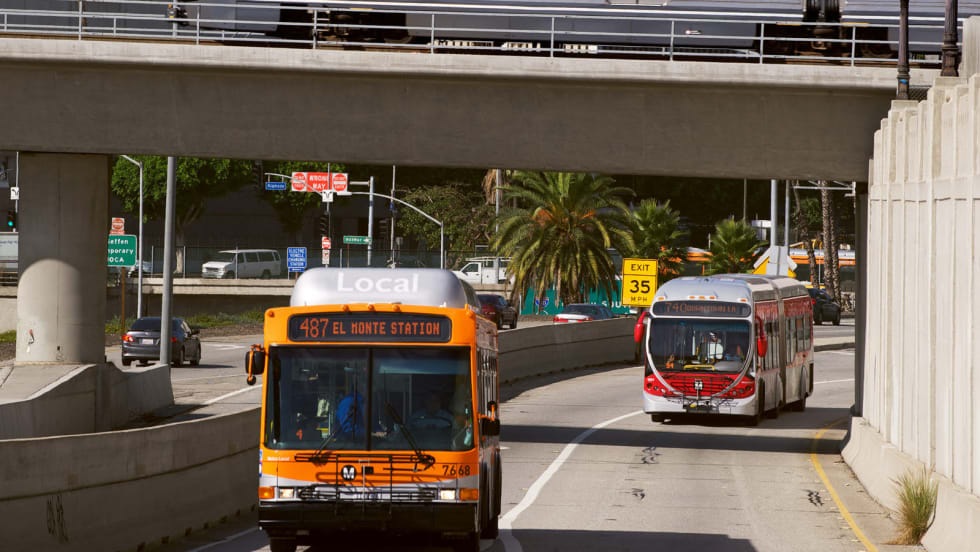
New Tricks for Old Bureaucracies: Joshua Schank on Making Transit Innovation Stick
Former LA Metro Chief Innovation Officer Joshua Schank discusses why good ideas aren't enough, how transit agencies can overcome resistance to change, and why today's challenges demand more innovation.
Read More →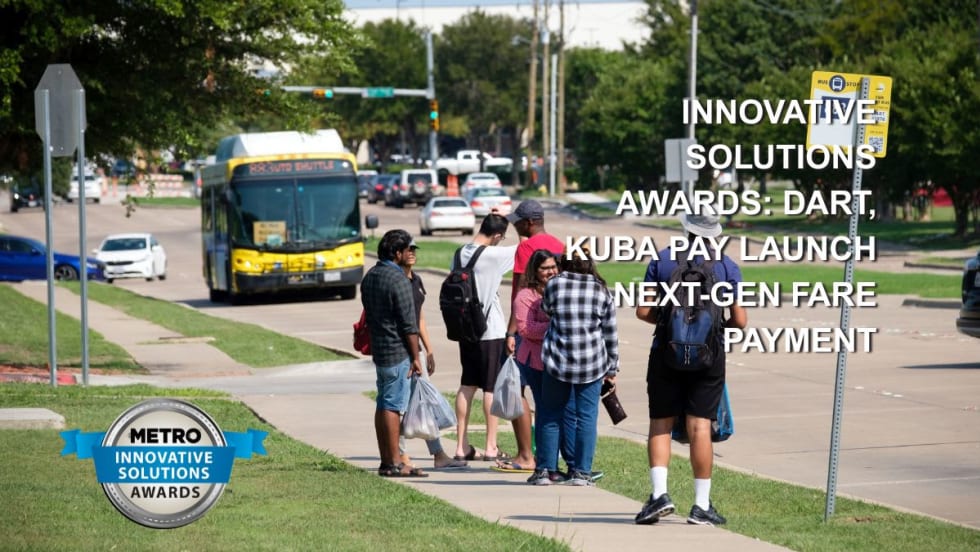
How DART's GoPass Is Redefining Regional Mobility
Serving 14 transit agencies, GoPass simplifies multimodal travel by allowing riders to plan, pay for, and manage an entire trip through one app.
Read More →
Biz Briefs: OCTA Taps Clean Energy for Hydrogen Station, Stadler to Supply Via Rail Vehicles, and More
From manufacturers and suppliers to transit agencies and motorcoach operators, these updates offer a snapshot of the projects, partnerships and business moves driving the industry forward.
Read More →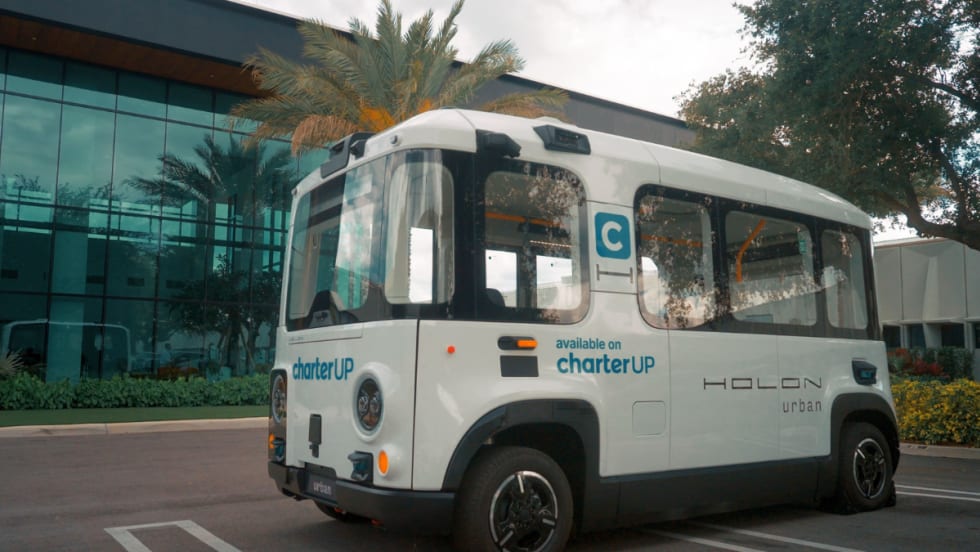
CharterUP Expands Into New Mobility and Autonomous Transportation
Vice President of New Mobility Stephen Joos discusses how CharterUP is leveraging its nationwide transportation network, technology platform, and autonomous vehicle partnerships to expand into workforce mobility, campus shuttles, and transit solutions.
Read More →
METRO Magazine Announces 2026 Innovative Solutions Awards Winners
Projects Recognized for Advancing Mobility Through Technology, Accessibility, Workforce Innovation, and Operational Excellence
Read More →
Biz Briefs: STV teams with Amtrak, Motorcoach Operators Boost Fleet and Land Contracts, and More
From manufacturers and suppliers to transit agencies and motorcoach operators, these updates offer a snapshot of the projects, partnerships and business moves driving the industry forward.
Read More →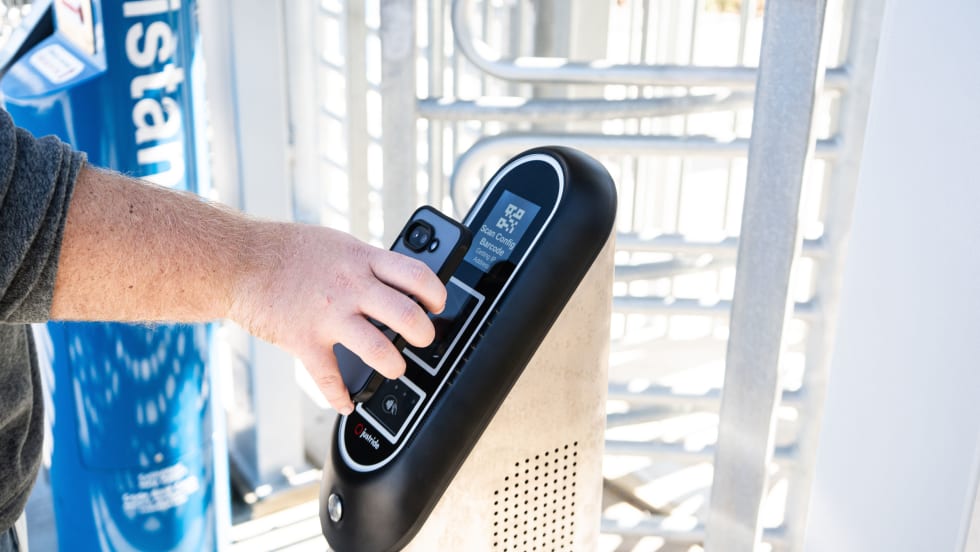
Biz Briefs: Masabi Teams with St. Louis Metro and More
In METRO's latest installment, we take a look at recent news from Transdev, Hitachi, and more partnerships making headlines across the transportation sector.
Read More →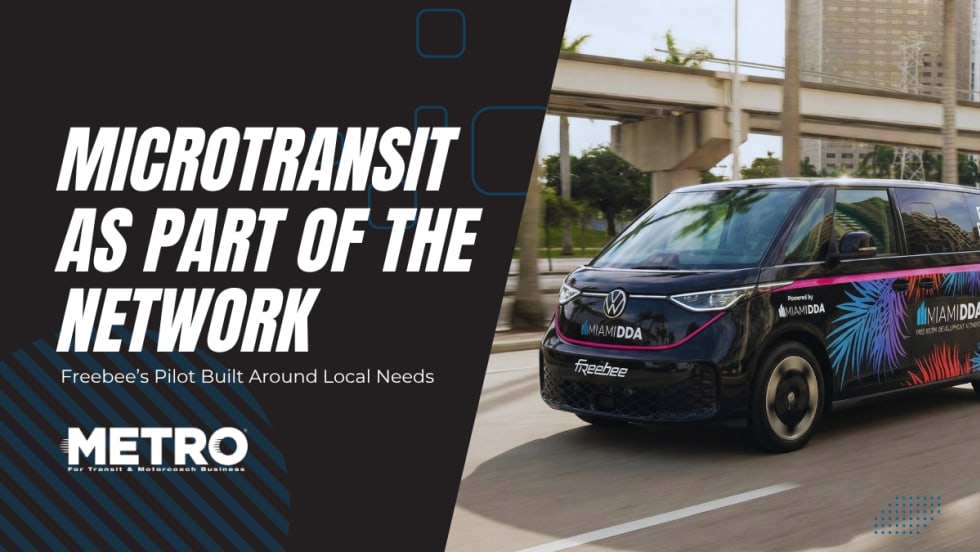
Microtransit's Next Test: Becoming Part of the Network
Freebee shows how electric microtransit is moving beyond pilots to fill network gaps, connect riders to transit, and prove lasting value.
Read More →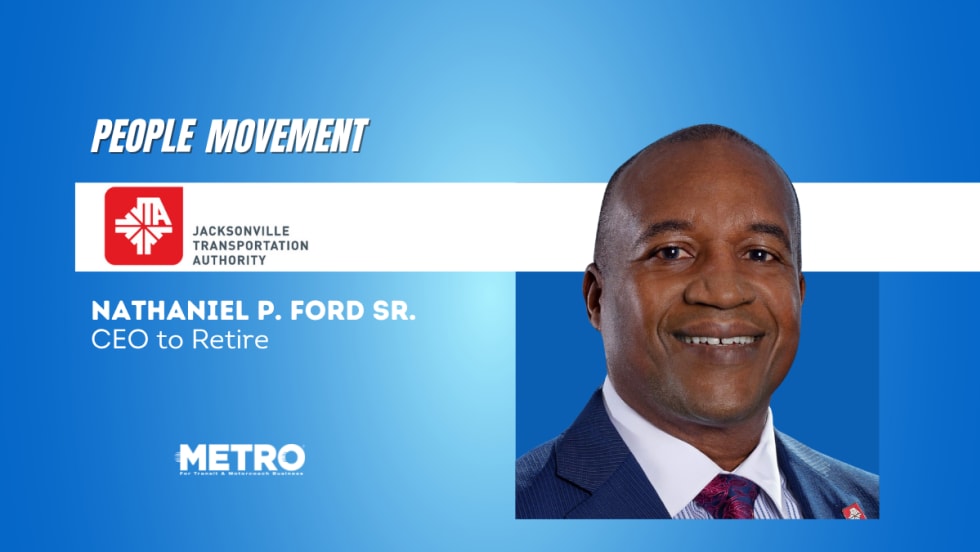
Ford to Leave JTA After More Than 10 Years as CEO
He plans to continue his work advancing innovative mobility solutions to improve the quality of life in communities across the nation. He did not announce specific plans.
Read More →