



Jacksonville Transportation Authority Makes ‘Dramatic Changes’ to Expand Access
In addition to its Route Optimization Initiative, the Jacksonville Transportation Authority also launched its First Coast Flyer BRT system in December 2015 and implemented a mobile ticketing system.

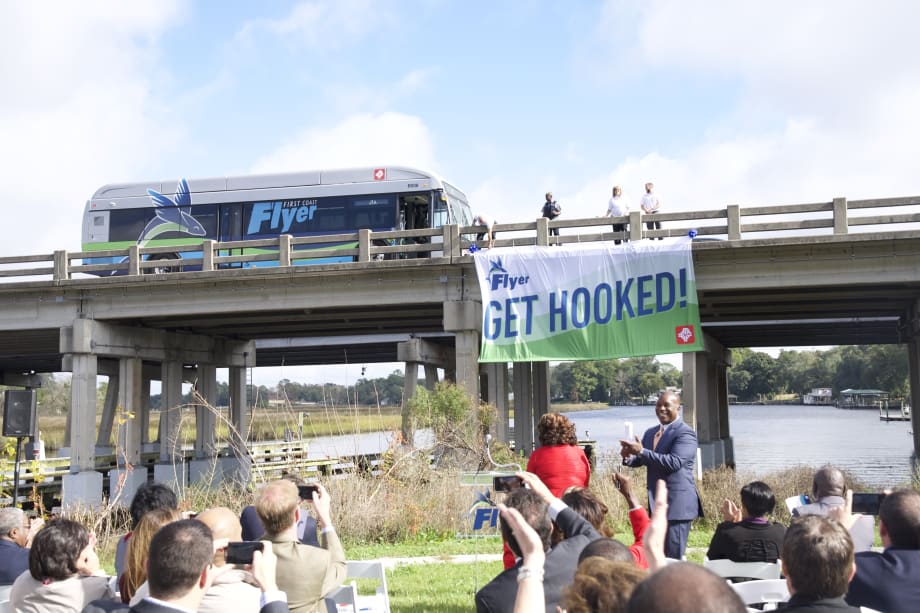
The Jacksonville (Fla.) Transportation Authority (JTA) is the recipient of APTA’s 2016 “Outstanding Public Transportation System Achievement Award” in the mid-sized category for delivering more than four million but fewer than 20 million annual passenger trips.
The JTA encompasses 850 employees, 200 buses and trolleys, 26 community shuttles, 97 paratransit vehicles and an automated peoplemover with an annual $230 million budget. The agency operates Jacksonville’s public bus service, ferry service, downtown automated Skyway and paratransit service. The authority also plans, designs and builds roads and bridges.
“Clearly the hard work of the JTA board and staff has paid off. This is a great honor and strengthens our resolve to transform transportation in Jacksonville and deliver world class service to Northeast Florida,” says CEO Nathaniel P. Ford Sr.
According to Ford Sr., 2015 was a banner year for the JTA. “We continued to move the needle of excellence and kept the authority focused on offering many transportation solutions to our diverse population.”
In December 2014, the agency implemented its award-winning Route Optimization Initiative (ROI), which completely overhauled the transit system. “Without question, ROI was the most dramatic change to public transit in Jacksonville in the last 30 years,” Ford Sr. explains. “At the same time, we introduced real-time passenger information and changed our branding as it relates to signage and bus stops.”
Prior to the ROI’s extensive route overhaul, routes did not keep pace with how the community had changed. Where people live, work and shop had changed over the years and the system was just not meeting 21st century demands, Ford Sr. explains. There was no longer a 9-to-5 workforce, and the system had to change to give access to the new demographics that it served. The launch of the ROI made routes more direct, increased service frequency and improved on-time performance from 65.8% in 2013 to 80% today.
However, ROI was not just new routes; it was also a new way of doing business at the JTA. Route management was changed from a zone concept to end-to-end route management. Service Delivery managers were hired and are responsible for everything on their assigned routes, including on-time performance, bus cleanliness and customer service. The authority also hired additional bilingual representatives for Spanish speaking customers; provided cross-training to customer service representatives, increased part-time staff to handle peak-hour calls, and closely managed call volumes to determine response and wait times.
Another big development for the agency was the launch of JTA’s First Coast Flyer bus rapid transit Green Line in Northwest Jacksonville in December 2015. Along with that implementation, the agency added compressed natural gas buses to its fleet and implemented mobile ticketing known as MyJTA.
Additionally, the agency completed conversion of its internal Enterprise Resource Planning System to Oracle in record time and increased employee engagement to keep staff motivated, according to Ford Sr.
Always striving to improve the safety and security of its customers and operators, JTA installed a cutting-edge training simulator in March of 2015 — the only one of its kind in the state of Florida, to provide bus operators with remedial and refresher training. All bus operators are required to attend on a quarterly basis. JTA also installed LYTX DriveCams on buses to analyze risky behaviors and reduce collisions. The agency also engaged the community with its “Keep it in your Pocket” campaign, an effort targeted at texting and driving. “Arlington Toyota, a local dealership, partnered with JTA to include our campaign in their commercials and collateral in each vehicle that is serviced,” Ford Sr. says. “It is partnerships like this that help make the difference.
To expand transportation access throughout the region, the JTA, in partnership with the Northeast Florida Mobility Coalition, developed a program called TransPortal, a One Call/One Click Transportation Resource Center. TransPortal, developed via a $1.9 million U.S. DOT grant, focuses on individual travel needs, is customer-driven and offers a single point of customer access to multiple modes of transportation. TransPortal increases the availability of community transportation resources to veterans, service members and military families by providing transportation options in the Northeast Florida area, including traditional transit and paratransit services, bicycle share programs, car and van pools and more.
More Management
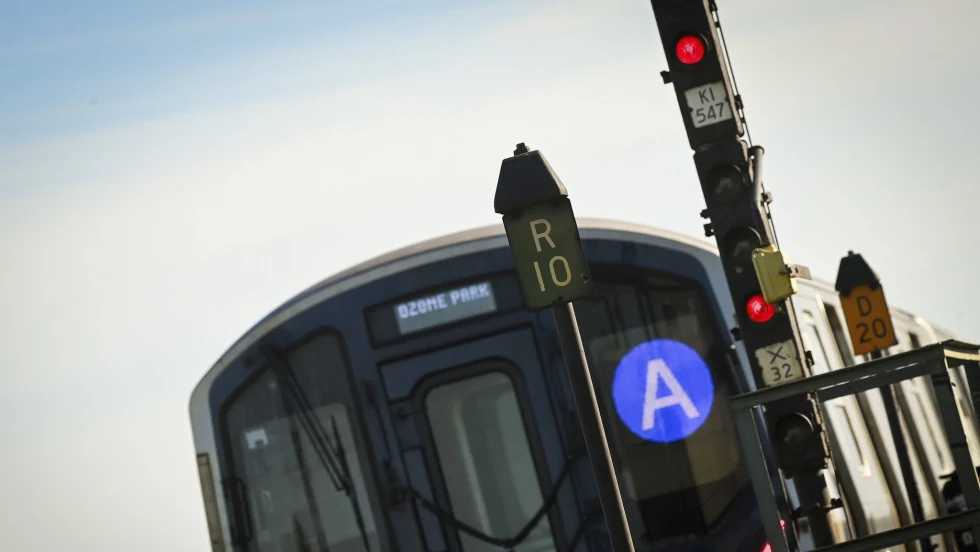
New York MTA Launches Historic $1.9B Signal, Track Modernization Project
Funded in part by congestion pricing revenue, the project will replace nearly century-old signals along the A and C lines in Brooklyn and Queens.
Read More →
Brian Dickson on Building Stronger, More Resilient Transportation Organizations
Bus Business Consultants Founder Brian Dickson discusses the leadership principles, operational discipline, and strategic planning that separate transportation companies positioned for long-term success from those stuck in survival mode.
Read More →
LA Metro Breaks Ground on Vermont BRT Project
The 12.4-mile corridor is projected to serve 66,200 daily riders, reduce travel times by up to 24%, and create the nation's busiest bus rapid transit corridor.
Read More →
Building Stronger Leaders, More Resilient Transit Teams
Dr. Carol Parker Walsh discusses leadership development, employee retention, workplace culture, and preparing transit’s workforce for AI and automation.
Read More →
Roman Cornell on ABC Companies’ Evolution and the Future of Passenger Transportation
The company’s CEO discusses carrying forward a third-generation family legacy, ABC’s continued evolution in passenger transportation, support for increasingly complex fleets, and how technology and continued investment could help operators improve uptime.
Read More →
CATS Launches West Charlotte Microtransit Zone, Expands Transit Services
The new microtransit zone connects residents to key destinations as Charlotte Area Transit System rolls out the first phase of its 2055 Transit System Plan.
Read More →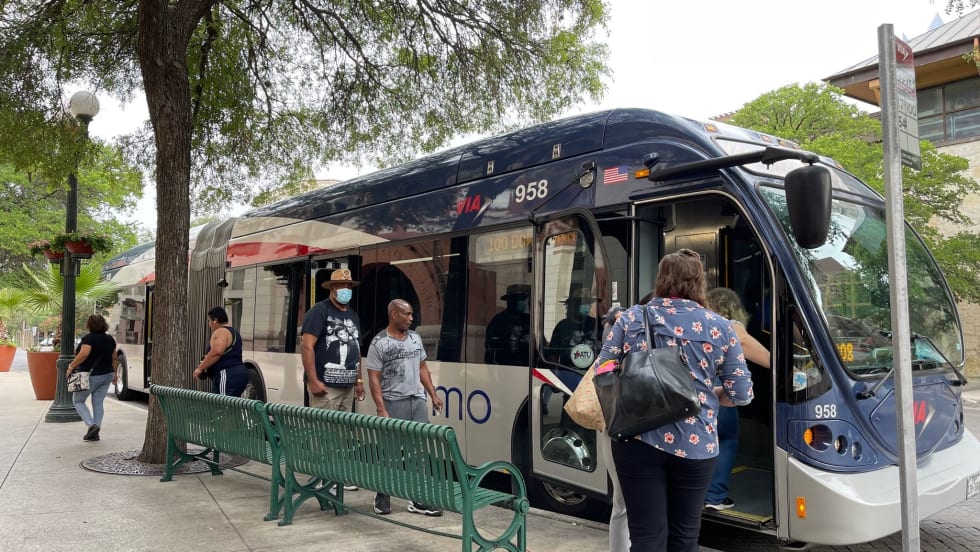
VIA Bus Ridership Grows 10.1% Through August 2026
San Antonio's VIA Metropolitan Transit reported the highest bus ridership growth among major Texas transit systems. Federal Transit Administration data ranked it second among the nation's 50 largest transit systems.
Read More →
CSA Group Releases Climate Resilience Standard for Transit, Passenger Rail
Developed with support from the Standards Council of Canada, CSA D700 guides assessing climate-related risks and planning adaptation measures for transit and passenger rail systems.
Read More →
ETA CEO John Maglio on Transit Technology, Innovation, and Building Agency Trust
ETA founder and CEO John Maglio explores the evolution of transit technology, the importance of reliable systems, and how stronger partnerships can help agencies improve operations and the passenger experience.
Read More →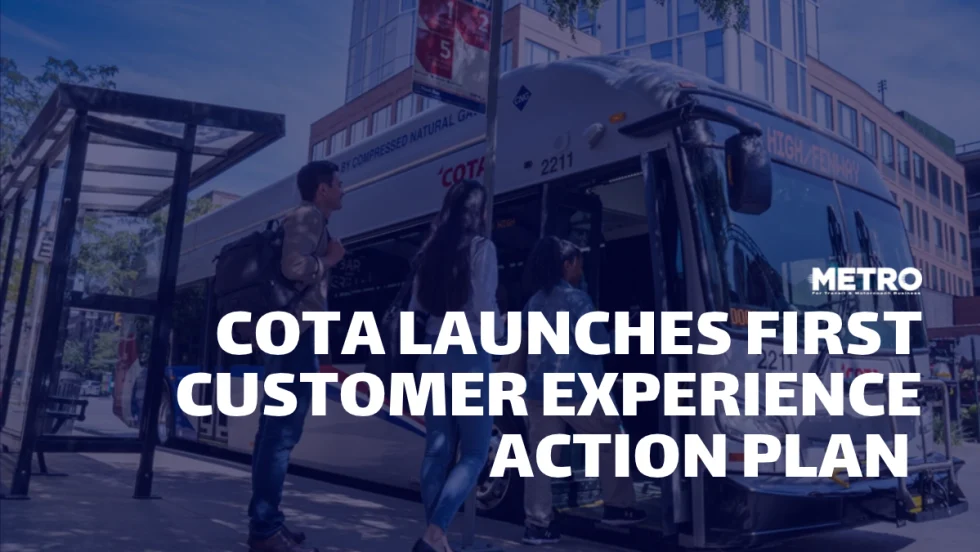
COTA Launches First Customer Experience Action Plan to Improve Transit Service
The new plan outlines improvements to service reliability, accessibility, communication, and the overall rider experience across Central Ohio's transit system.
Read More →