



L.A. Metro, 12 other organizations receive FTA safety grants


The U.S. Department of Transportation announced 13 organizations in nine states will receive a share of $29 million in grant funding through the Federal Transit Administration’s (FTA) Innovative Safety, Resiliency, and All-Hazards Emergency Response and Recovery Demonstration funding opportunity. The grants will support cutting-edge developments in mass transit, utilizing state-of-the-art technology to help transit agencies improve track worker and passenger safety, better withstand natural disasters and respond more effectively to emergencies.
Examples of the types of projects selected include track intrusion detection systems that will alert rail operators and transit officials to stop trains if a person or object is detected on the track; prototype equipment such as front-end bumpers for light rail vehicles that operate in mixed traffic to minimize the impact of collisions; and planning tools to help transit agencies protect equipment and infrastructure and deploy services during emergencies and natural disasters.
“FTA is proud to support cutting-edge technologies that have the potential to significantly improve transit safety and operations in the years ahead,” said FTA Acting Administrator Therese McMillan. “It is critical that we continue to invest in 21st century systems that will keep transit riders and workers safe, and offer places like New Jersey and New Orleans the tools they need to respond quickly and effectively to emergencies and natural disasters.”
Among the projects selected nationwide:
The Los Angeles County Metropolitan Transportation Authority will receive approximately $1.7 million to install and test a radar-based system of detecting track intrusions. The new system will alert rail operators and transit officials when people or objects are detected on the track, helping to avoid collisions.
The Minnesota Valley Transit Authority will receive approximately $1.8 million to equip additional buses in its bus rapid transit and express bus fleets with GPS-based technology to improve safety and bus service within narrow shoulder lanes along highly congested corridors in the Minneapolis-St. Paul area. The technology will provide lane keeping information, lane departure warnings, and collision avoidance advisories to bus operators in various weather and road conditions.
The New Jersey Transit Corp. (NJ TRANSIT) will receive $843,750 to develop an advanced forecast and observation system that can provide real-time information on the potential risk and magnitude of flooding before and during significant storm surge events. The system will help inform decision making in order to devote resources to where they are most needed and preserve critical infrastructure.
The Center for Transportation and the Environment, headquartered in Atlanta, will receive $995,098 to develop, evaluate and plan the deployment of a Bus Exportable Power System that would allow existing transit buses to export power using their hybrid propulsion systems. The system essentially would transform hybrid buses into mobile power generators for use during all-hazards emergency response and recovery.
Demand for research demonstration funding far exceeded available funds. FTA received 72 proposals requesting approximately $160 million. Eligible applicants included public transportation providers, state and local governments, private and non-profit organizations, institutions of higher education, and technical and community colleges. For a full list of recipients, click here.
More Security and Safety

LA Metro Reports 57% Decline in Homelessness on Transit System Since 2024
The agency's latest homelessness count offers new data on how care-based services and cross-sector partnerships can complement traditional transit security strategies.
Read More →
FTA Launches 'Transit Moves America' Dashboard to Highlight Agency Safety and Performance
The online dashboard transforms National Transit Database information into a public-facing resource that allows users to compare transit agencies on key operational and safety metrics.
Read More →
LA Metro Marks Banner Year, Sets Ambitious Goals for New Fiscal Year
Incoming LA Metro Board Chair and Los Angeles Mayor Karen Bass joined outgoing Board Chair Fernando Dutra and LA Metro CEO Stephanie Wiggins to review accomplishments from fiscal year 2026, which included the opening of new rail extensions, advancement of major transit projects, expanded safety programs, and new rider amenities.
Read More →
Building the Next Generation of Transit Technology
In this edition of METROspectives, Luminator CEO Magnus Friberg discusses the company's transformation, the growing role of AI and software, and what's next for transit technology.
Read More →
TTC Launches Camera Pilot to Curb Illegal Passing of Streetcars
During the pilot, the cameras will measure how often illegal streetcar passing occurs and test the technology's reliability for future automated enforcement.
Read More →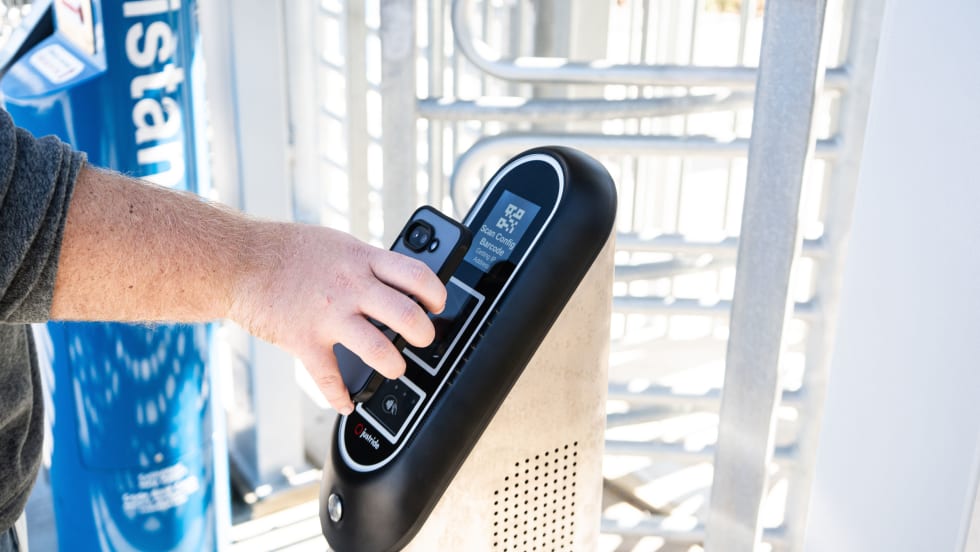
Biz Briefs: Masabi Teams with St. Louis Metro and More
In METRO's latest installment, we take a look at recent news from Transdev, Hitachi, and more partnerships making headlines across the transportation sector.
Read More →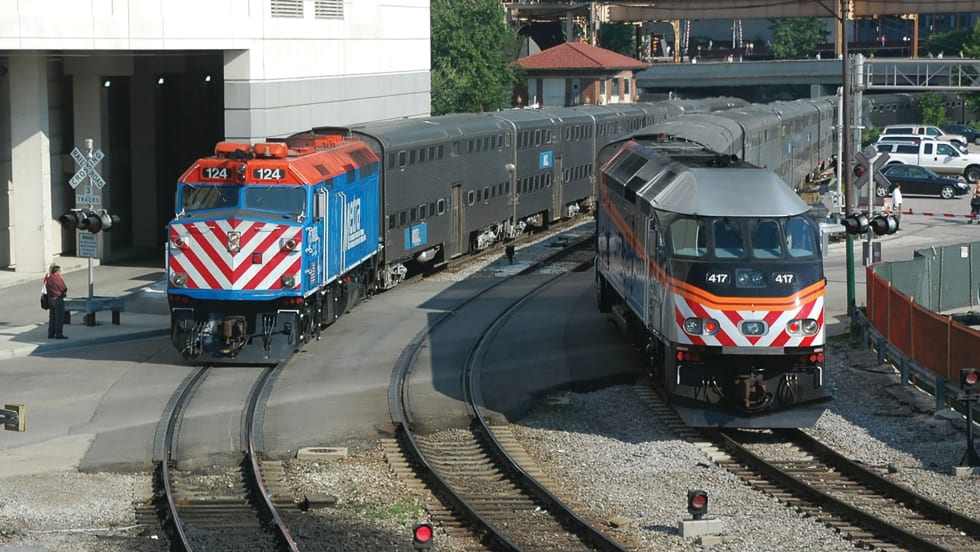
Metra Begins Drone Pilot Project to Boost Safety and Security
The project is funded through a $620,000 grant from FEMA’s Transit Security Grant Program, which provides transit agencies with funding for projects intended to protect critical transportation infrastructure and the traveling public.
Read More →
Building the Next Generation of Transit Technology
In this edition of METROspectives, Luminator CEO Magnus Friberg discusses the company's transformation, the growing role of AI and software, and what's next for transit technology.
Read More →
APTA Recognizes Excellence in Rail Safety and Security at 2026 Rail Conference
Nominations are evaluated on four criteria: effectiveness, benefit level, innovation, and transferability.
Read More →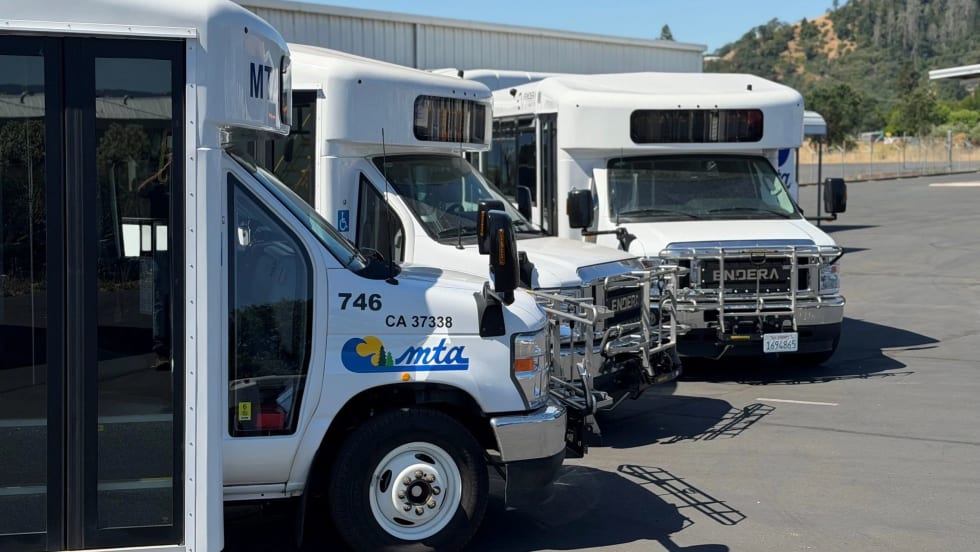
Biz Briefs: Endera Delivers to California, Safety Vision Teams with San Antonio's VIA, and More
From manufacturers and suppliers to transit agencies and motorcoach operators, these updates offer a snapshot of the projects, partnerships and business moves driving the industry forward.
Read More →