




RELATED: Passing Ballot Measures: What Works
L.A. Metro contracts with CCRC for subway cars
Company is committed to delivering the first pilot vehicle by the spring of 2020, and the entire base order of 64 subway cars by September 2021.
March 27, 2017
Visitor7
2 min to read
Visitor7
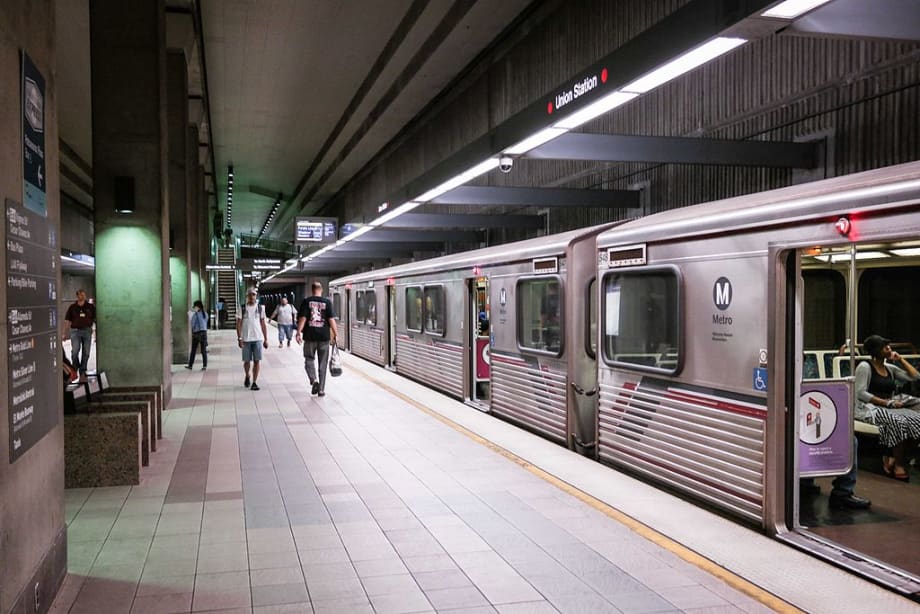
The Los Angeles County Metropolitan Transportation Authority (Metro) contracted with China Railway Rolling Stock Corp. to build 64 new railcars for the Metro Red and Purple Lines, a major procurement that will bring new manufacturing jobs to the Los Angeles region and help Metro maintain and expand its subway system.
Metro’s Notice To Proceed kick starts production of HR4000 heavy rail vehicles that will be used to replace existing trains now traveling between downtown Los Angeles, Mid-Wilshire District, and North Hollywood. Thirty-four of the new cars will also be used for the Metro Purple Line’s first four-mile extension from the Mid-Wilshire District to Beverly Hills when the line officially opens in 2023.
China Railway has committed to delivering the first pilot vehicle by the spring of 2020, and the entire base order of 64 subway cars by September 2021. Metro may also choose to exercise up to five options to buy an additional 218 subway cars. Combined, the base order with options is valued at $647 million, and is funded by a combination of local and federal sources, including a percentage of Measure R sales tax proceeds.
The contract also will create approximately 50 local jobs generating up to $38 million in local wages and benefits. Approximately 10% of all new jobs created will go to targeted disadvantaged workers. A new facility will be purchased in the L.A. area to manufacture major components for propulsion, heating, ventilation, air conditioning, and lighting systems. Manufacturing the subway cars’ exterior shell will take place in the company’s facility in Changchun, China, and final assembly will be done in Springfield, Mass. The contract exceeds the federal government’s “Buy America” provisions, which require 60% of component parts be American-made.
In addition to future use on the Purple Line Extension, 30 new heavy rail vehicles will replace original subway vehicles that have an average life of 25 years.
In selecting China Railway Rolling Stock Corp. for the contract, Metro determined that the firm offered the overall best value proposal. The company had the highest rated technical offer and lowest price while offering the most robust Local Employment Program and highest U.S. component content. China Railway also has an excellent record for on-time vehicle delivery and quality, among other criteria. There are no U.S.-owned rail car manufacturers.
More Rail

New York MTA Advances Final Contract for Second Avenue Subway Expansion
Contract Four is the largest in the Second Avenue Subway Phase 2 project and includes construction of station infrastructure, tracks, and signals for the subway expansion, MTA officials said. Work on Contract Four will begin in 2027.
Read More →
San Diego MTS Breaks Monthly Trolley Ridership Record
Agency officials said July’s ridership indicates MTS’s continued recovery from the pandemic.
Read More →
Report Examines NJ TRANSIT Reliability, Funding Challenges
The Garden State Initiative analysis examines the roles of Amtrak infrastructure, fleet management, and agency operations while recommending a more performance-based approach to improving reliability.
Read More →
Stadler, CapMetro Sign Long-Term Rail Fleet Support Agreement
Beginning in 2027, Stadler will provide on-site technical expertise, spare parts support, training, and obsolescence management to help extend the reliability and longevity of CapMetro’s GTW fleet.
Read More →
Biz Briefs: Alstom Lands Canadian Contract, LYT to Supply California TSP, and More
In METRO's latest installment, we take a look at recent news from Complete Coach Works, Beep, FlixBus, and more partnerships making headlines across the transportation sector.
Read More →
CATS Gold Line Marks 5 Years of Service, 2.8M Passenger Trips
With a six-mile expansion planned, the Charlotte streetcar is positioned to connect more neighborhoods and major transit hubs across the region.
Read More →
Why Simulating Pedestrian Movement Has Become Essential for Modern Rail Stations
Pedestrian microsimulation is helping rail planners identify bottlenecks, test station designs, and prepare complex transit hubs for growing passenger volumes.
Read More →
Amtrak Begins Major Construction at New York’s Sunnyside Yard
The new maintenance facility will support Amtrak’s Airo trainsets while improving maintenance efficiency and turnaround times in New York.
Read More →
Chicago Leaders Unveil Plans for O’Hare Airport Express Train
The privately developed project would offer a 15-minute trip between downtown and O’Hare’s Terminal 2, with trains operating every 15 minutes on a dedicated track. The service would use battery-electric trains and three existing freight rail rights-of-way.
Read More →
OCTA Maps Out 30-Year Strategy to Protect Coastal Rail Corridor
The draft feasibility report identifies strategies to protect the coastal rail line for decades as the agency continues near-term stabilization and sand placement efforts.
Read More →