



LIRR, union sign project labor agreement
In addition to reducing costs, the pact includes a “no strike” clause on the covered projects, provides opportunities for minorities and women to enter trade union apprentice programs, and includes non-discrimination provisions in union hiring hall and job placement practices.

The Metropolitan Transportation Authority’s (MTA) Long Island Rail Road (LIRR) and local private-sector unions have reached a Project Labor Agreement designed to reduce the LIRR’s labor costs on seven major construction projects by nearly 11%, saving the Railroad an estimated $6.5 million over the course of the next five years while protecting local trade union jobs.
The agreement, negotiated between the LIRR and the Buildings and Construction Trades Council of Nassau and Suffolk Counties, is a first for the MTA and the LIRR. In addition to reducing costs, the pact includes a “no strike” clause on the covered projects, provides opportunities for minorities and women to enter trade union apprentice programs, and includes non-discrimination provisions in union hiring hall and job placement practices.
The first project to benefit from the agreement, which is subject to approval by the MTA board of directors, will be civil and structural work for Phase 1 of the LIRR’s proposed construction of a second track on its Main Line between Farmingdale and Ronkonkoma scheduled to get underway early next year. The MTA has budgeted $137.7 million for this first phase in its 2010-2014 Capital Plan.
The “Double Track” project will improve service and reliability on one of the LIRR’s busiest branches, spur economic activity, improve off peak frequency of service and reserve peak commuting opportunities, including connections to MacArthur Airport. The Double Track project environmental assessment and 30-day comment period on the project has been completed and a final decision on the project is expected in the fall.
The seven projects covered by the agreement are expected to create between 400 and 500 private sector construction jobs on Long Island.
The other projects covered by the agreement are: the New Mid-Suffolk Electric Yard ($76.6 million); Hicksville Station Improvements ($55.2 million) and Hicksville North Siding ($37.7 million); Ellison Avenue Bridge Replacement in Mineola ($39.2 million); Great Neck Pocket Track Extension ($25.8 million); Wantagh Station Platform Replacement ($20.7 million); and the Colonial Road Highway Bridge Replacement, also in Great Neck ($9.5 million). The total cost of union labor on those projects was originally estimated at $60.1 million.
Under the agreement, the Railroad guarantees that its contractors will employ only trade workers under the terms of collective agreements in the construction industry on Long Island, a key issue for labor which has seen many local jobs go to out-of-state firms employing non-union workers in recent years.
In undertaking negotiations with the Buildings and Construction Trades Council and its members, the LIRR's goal was to obtain the best work at the lowest possible price, prevent favoritism, fraud and corruption, and avoid delays and labor unrest, according to the agency.
More Rail
CSA Group Releases Climate Resilience Standard for Transit, Passenger Rail
Developed with support from the Standards Council of Canada, CSA D700 guides assessing climate-related risks and planning adaptation measures for transit and passenger rail systems.
Read More →
LA Metro September Ridership Climbs 3.9%, Led by Rail Growth
The agency recorded more than 27.2 million boardings, with rail ridership increasing 12.4% year over year and the D Line posting the largest gains.
Read More →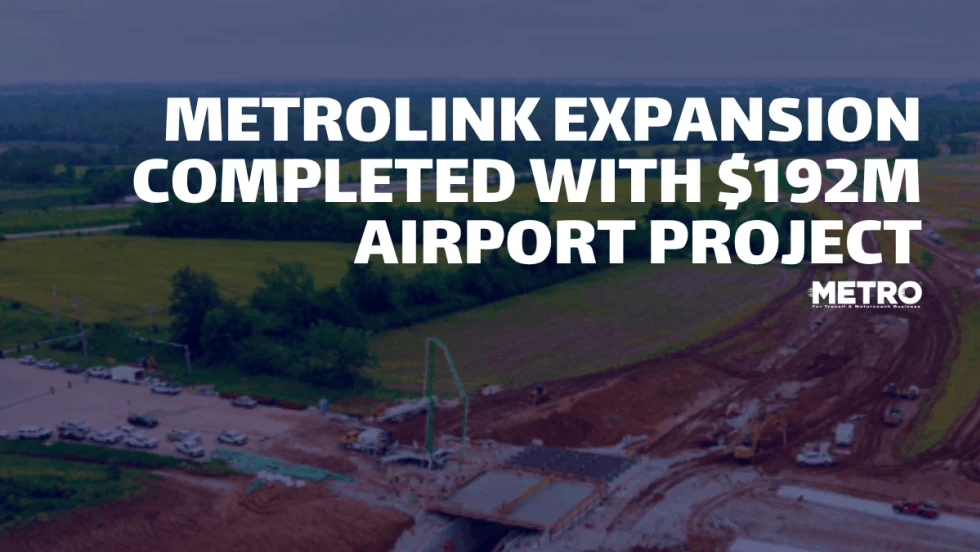
First Full MetroLink Rail Expansion Completed in 20 Years with $192M Airport Project
The project links two St. Louis-area airports by light rail while adding roadway and bike trail connections to improve regional access and mobility.
Read More →
Utilimarc Launches SmartReplace to Optimize Fleet Replacement Decisions
AI-powered SmartReplace helps fleets prioritize vehicle replacements, model budget scenarios, and build more defensible long-term strategies.
Read More →
Scenes from APTA TRANSform & EXPO 2026
Transit leaders, manufacturers, and industry professionals gathered in Chicago to explore new technologies, share ideas, and discuss the future of public transportation.
Read More →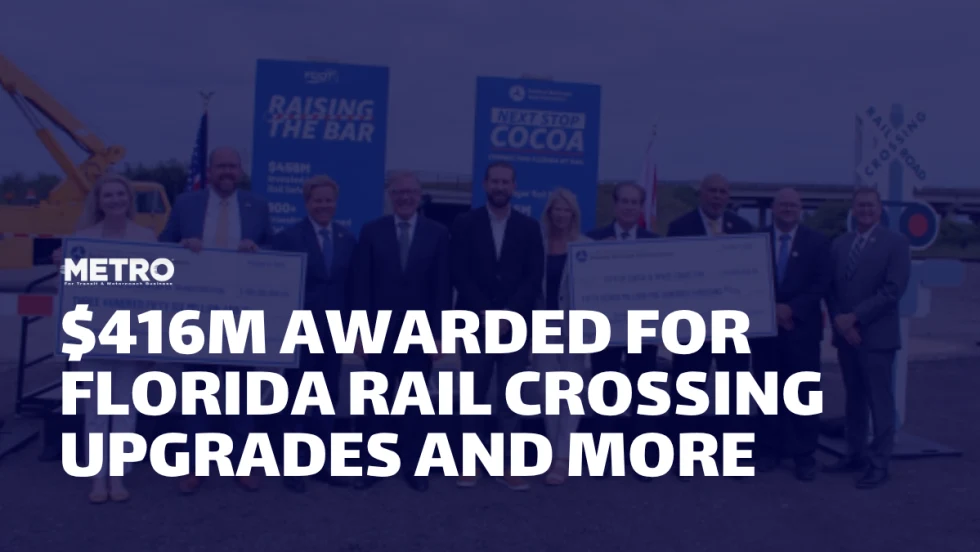
USDOT Awards $416 Million for Florida Rail Crossing Safety Upgrades, New Brightline Station
The projects aim to reduce risks for motorists and pedestrians at rail crossings while expanding passenger rail access along Florida’s Space Coast.
Read More →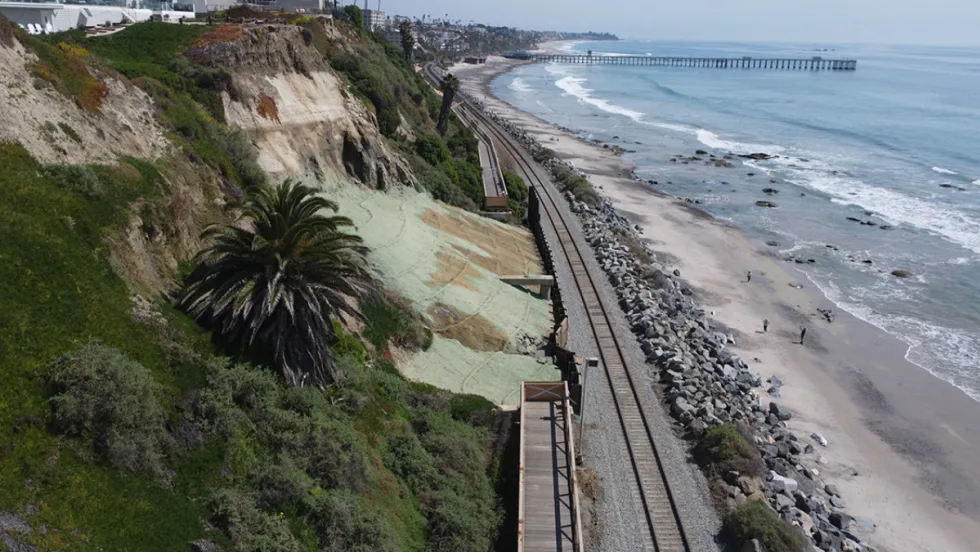
OCTA Declares Emergency to Protect Rail Corridor From Coastal Erosion
The California agency is accelerating shoreline protection and plans to place approximately 690,000 cubic yards of sand along the San Clemente coast to protect a key passenger and freight rail link.
Read More →
More Than a Summer Job: Building the Next Generation of Transit Talent
The Delaware River Port Authority and PATCO have transformed their internship program into a hands-on professional development experience that introduces students to the breadth of transportation careers — and creates a pipeline for future employees.
Read More →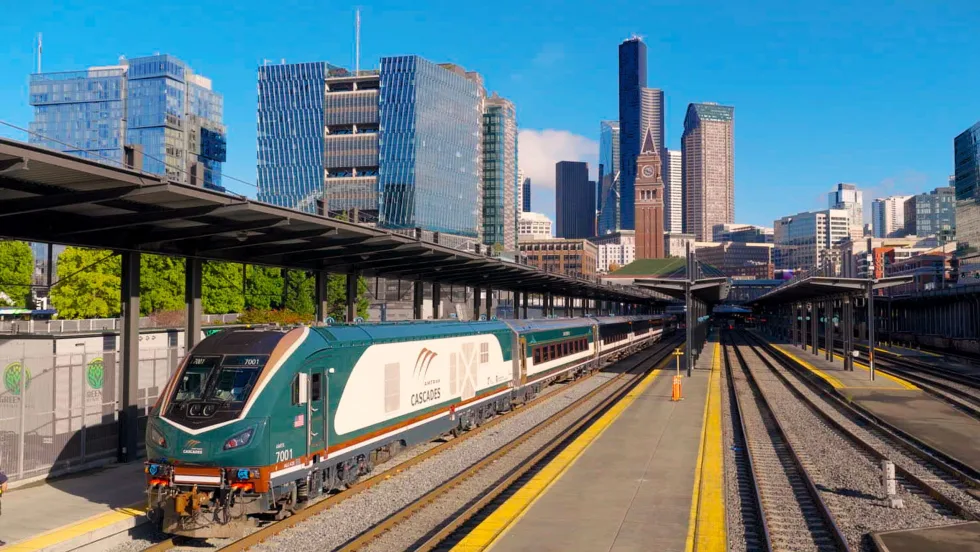
Airo Trains Make Their Amtrak Cascades Debut in the Pacific Northwest
Effective immediately, two cutting-edge Airo trainsets will join the Amtrak Cascades route, operating four daily trips between Vancouver, B.C., Seattle, Portland, and Eugene, Oregon, marking the first introduction of Airo trains into passenger service anywhere in the country.
Read More →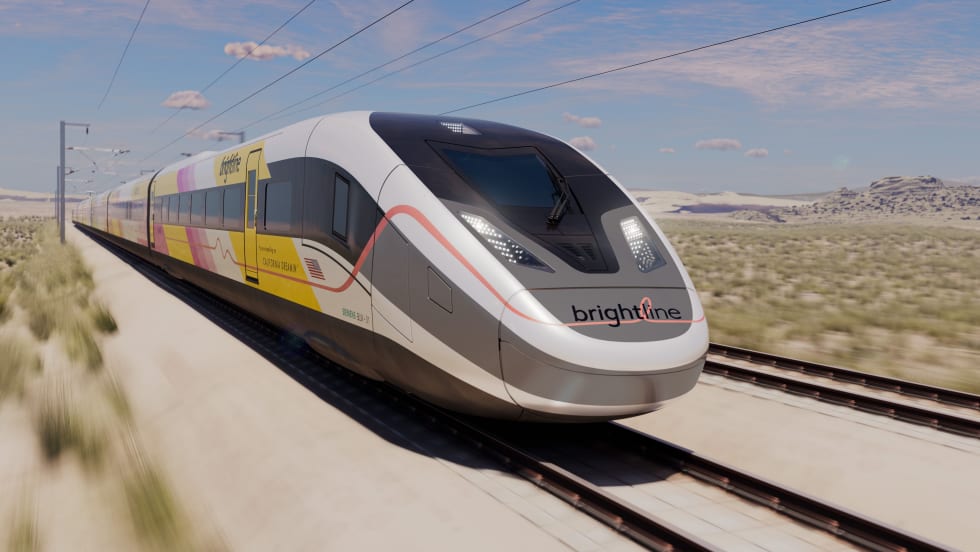
Florida's Brightline Announces Financial Restructuring
Brightline Florida says train operations will continue as normal as certain parent entities enter Chapter 11 and financial stakeholders provide $490 million in new long-term capital.
Read More →