



Maryland Transit Introduces New Safety Policy, App to Improve Rider Safety
Supported by legislation enacted this year, the agency will begin to issue permanent or temporary bans across all modes, including Local Bus, Light Rail, Metro Subway, MARC Train, Commuter Bus, and Mobility.

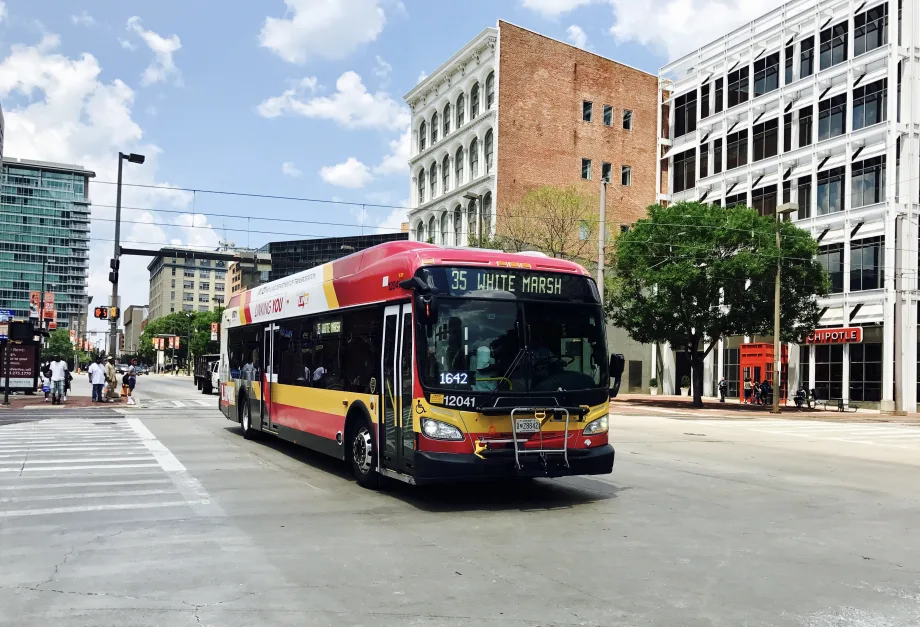
The MTA's Code of Conduct, “Rules of the Ride,” was issued in August and outlines clear expectations for behavior while on buses, trains, and in stations.
Photo: Maryland Transit Administration
The Maryland Department of Transportation, Maryland Transit Administration, announced the implementation of a policy to ban individuals who commit physical or verbal assaults against riders or employees.
Supported by legislation enacted this year, the agency will begin to issue permanent or temporary bans across all modes, including Local Bus, Light Rail, Metro Subway, MARC Train, Commuter Bus, and Mobility.
The agency is also launching the Elerts SeeSay mobile app, which enables riders to discreetly report safety concerns and communicate in real time with the Maryland Transit Police.
"Our riders and employees deserve to feel safe every time they take transit," said Maryland Transit Administrator Holly Arnold. "By holding accountable those who commit assaults and by providing riders with a new tool to report concerns, we are reinforcing our commitment to a safe and respectful transit experience."
SeeSay Tool Implementation
The Elert SeeSay platform is a discreet, safety communication tool used by other transit agencies across the U.S., including MBTA, DART, SEPTA, CATA, and BART.
While riders are strongly encouraged to report safety concerns immediately to transit operators and station attendants, the SeeSay app allows riders to report problems in multiple ways: directly through the app, via text, or through an online form on the MTA’s website.
Beginning October 6, users may submit photos or videos when reporting a safety concern. Each report is routed directly to Maryland Transit Police dispatch staff for review and response. The app integrates geolocation technology to provide MTA police dispatchers with the rider’s precise location, allowing for a faster and more accurate response.
Code of Conduct
The agency’s Code of Conduct, “Rules of the Ride,” was issued in August and outlines clear expectations for behavior while on buses, trains, and in stations.
The Code of Conduct is organized into three categories of behavior:
Courteous Conduct: Everyday respectful actions that contribute to a safe and comfortable environment for everyone. This includes keeping seats accessible, speaking at a low volume, using headphones when listening to audio content, and being mindful of others.
Prohibited Conduct: Actions not permitted on MTA property or vehicles. Examples include smoking, vandalism, carrying concealed weapons illegally, and disruptive behavior.
Bannable Conduct: Unlawful acts that will result in a ban. This includes any type of assault—physical or verbal—threats, sexual harassment, or fighting against an MTA employee, another passenger, or anyone else on MTA property.
Enforcement of the Rider Code of Conduct and the policy to suspend or ban individuals who violate the code will be conducted by the Maryland Transit Police. If a rider is forbidden, they will receive formal notice of suspension or ban, along with the process for appealing. The agency is sharing information about the Code of Conduct and enforcement policy on its website, social media, and through announcements on buses, trains, and at stations.
More Security and Safety
RTC of Southern Nevada Reports 29% Drop in Transit Operator Assaults
The agency credits expanded security measures, employee training, and technology investments for improvements in transit safety, while security officers have responded to 19 suspected overdoses since July.
Read More →
Public Transit Conference Returning to GFX in 2027, Call for Papers Now Open
The Call for Papers is now open, allowing transit agency professionals and industry experts to help shape the PTC educational program by submitting session ideas for consideration.
Read More →
Safe Transit Act Proposes New Security Requirements for Federal Transit Funding
Proposed legislation would link federal transit dollars to safety measures while requiring security investments, onboard cameras, and new fare collection standards.
Read More →
FTA Ends Direct Oversight of MBTA Safety Actions
The federal agency closed its remaining special directive to the Massachusetts Department of Public Utilities following a safety review that began in 2022.
Read More →
Transit Agencies Highlight Safety Gains at National Summit
Leaders from 15 major transit systems shared crime-reduction results and safety initiatives while discussing the role of continued federal support.
Read More →
DART Launches Major Security, Fare Enforcement Initiative
The 90-day demonstration will deploy coordinated security teams at five light rail stations while testing controlled access and gathering data to guide future investments.
Read More →
RTD Launches NextRide App to Consolidate Trip Planning, Fares, Security Reporting
The app expands on RTD’s existing NextRide web application and allows customers to view real-time vehicle locations and service alerts, purchase and store digital fares, and access customer support.
Read More →
TAPTCO Updates OSHA Compliance Training for Transit Maintenance Operations
The revamped program addresses 26 OSHA standards for maintenance facilities, with TAPTCO pointing to training, documentation, and everyday shop hazards as continuing challenges for transit operations.
Read More →
FRA Announces $5.3B in Rail Investments, Including $2B for Amtrak
Funding will support grade-crossing improvements, infrastructure upgrades, and new Amtrak equipment in 23 states.
Read More →
Chicago, Maryland Expand Non-Law-Enforcement Safety, Rider Support
The CTA and MTA are launching new programs aimed at de-escalation, crisis response, rider assistance, and greater transparency.
Read More →