



Masabi, Keolis, FAMOCO unveil low-cost mobile ticket validator
The validator delivers fast and reliable scanning of 2D barcode tickets displayed on a smartphone screen, along with smartcard and EMV-based contactless cards.


The validator delivers fast and reliable scanning of 2D barcode tickets displayed on a smartphone screen, along with smartcard and EMV-based contactless cards.
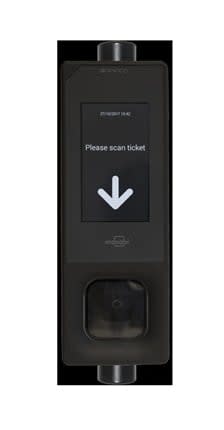
The validator delivers fast and reliable scanning of 2D barcode tickets displayed on a smartphone screen, along with smartcard and EMV-based contactless cards.
Masabi, Keolis, and FAMOCO unveiled a new mass market mobile ticket validator. While previous validators have cost well over a thousand dollars per unit, the new device is priced in the hundreds, unlocking a whole new market segment and enabling multi-door boarding, which reduces bus dwell time and increases average bus speed.
The validator delivers fast and reliable scanning of 2D barcode tickets displayed on a smartphone screen, along with smartcard and EMV-based contactless cards, providing the agency with extra security as well as information on vehicle usage and bus location. The device is currently in pilot on the public transport network of Orléans Métropole, in collaboration with Keolis Orléans Val de Loire in France, with general rollout planned for the first half of 2018.
“Mobile ticketing is increasingly being seen as a must-have for transport operators around the globe. In particular in the bus market, the benefits are significant including reduced cash handling and much faster vehicle boarding,” said Brian Zanghi, CEO of Masabi. “However, to date, the cost of validators has been a significant barrier to bus operators deploying this technology. This new validator offers them a solution at a quarter the price of alternative hardware, opening up a whole new market and also making multi-door boarding a reality.”
“The aim is to give each traveler the best route information, with multimodal route options, and the possibility of purchasing and validating tickets in a totally dematerialized way on their mobile,” said Laurent Kocher, executive director of Marketing, Innovation and Services at Keolis.
More Technology
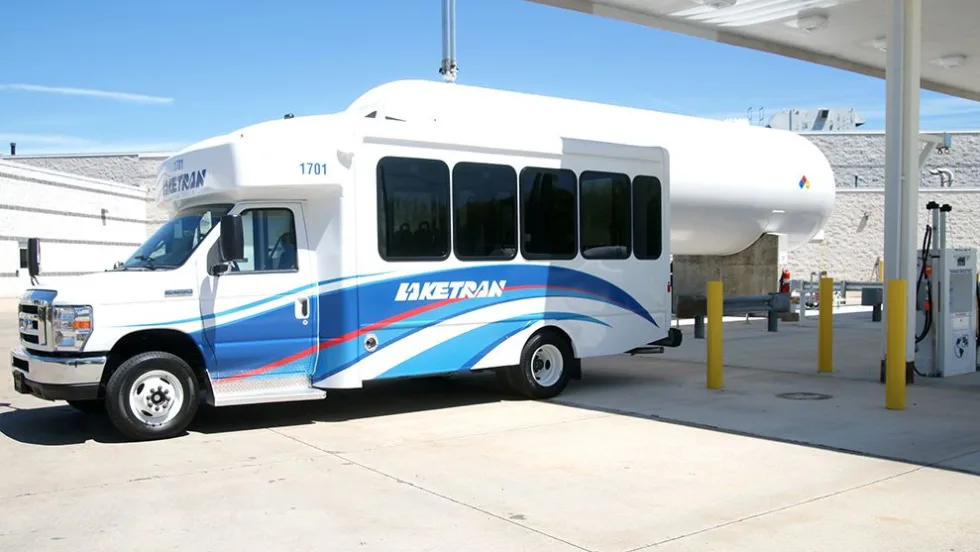
Laketran Cuts Fuel Costs, Boosts Efficiency with Propane-Powered Fleet
The Ohio transit agency is using propane-powered vehicles and on-site fueling infrastructure to cut fuel and maintenance costs while meeting growing demand for paratransit services.
Read More →
Right-Sizing Rural Transit: Lessons from North Grenville’s On-Demand Model
A small municipality shows how flexible service, rider needs, and public accountability can expand mobility with limited resources.
Read More →
Transit Expands Agency Partnerships, Reaching 200 Official App Partners
COO Jake Sion discusses Transit’s growth, the success of its Transit Royale program, and how technology is helping agencies improve the rider experience.
Read More →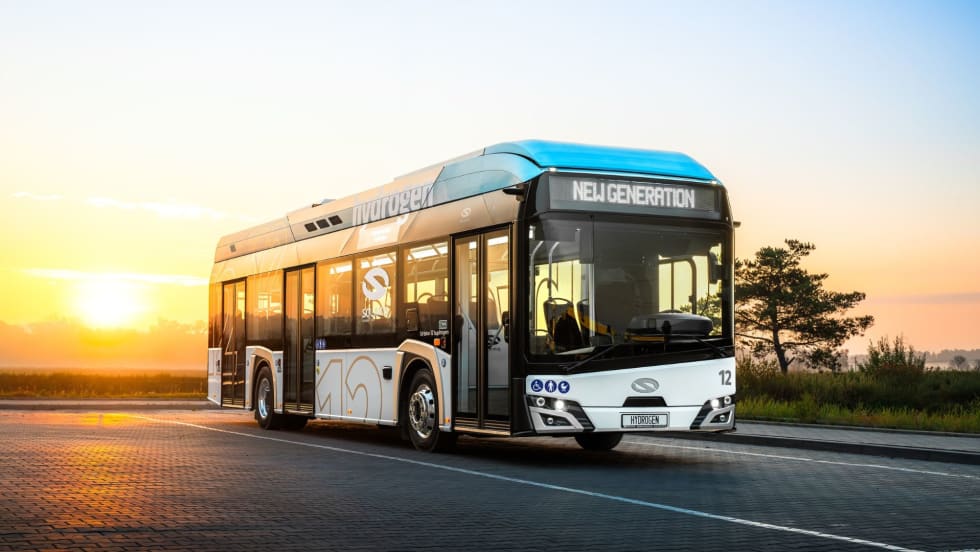
Biz Briefs: Ballard, Solaris Partner, New Flyer Receives Florida Order, and More
In METRO's latest installment, we also take a look at recent news from New Flyer, STV, Spare, and more partnerships making headlines across the transportation sector.
Read More →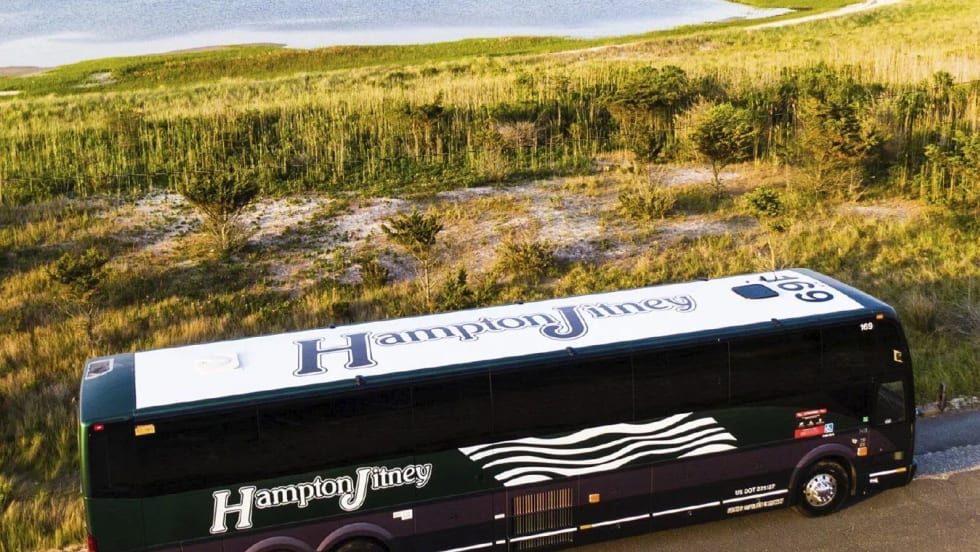
Hampton Jitney Microgrid Offers a Roadmap for Fleet Electrification
Sprocket Power’s on-site energy system is designed to manage charging costs, reduce pressure on the electric grid, and prepare the Long Island transportation provider for expanded electric fleet operations.
Read More →
ETA CEO John Maglio on Transit Technology, Innovation, and Building Agency Trust
ETA founder and CEO John Maglio explores the evolution of transit technology, the importance of reliable systems, and how stronger partnerships can help agencies improve operations and the passenger experience.
Read More →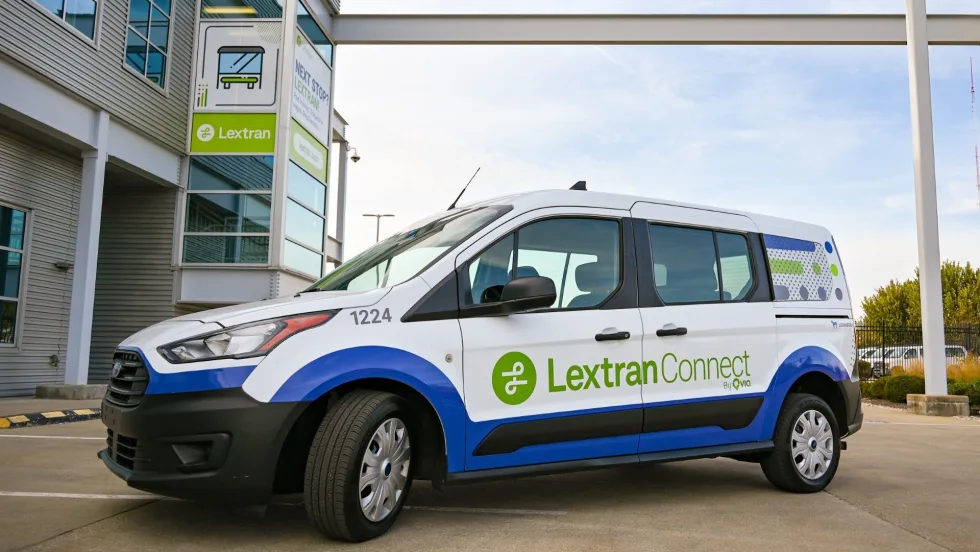
Lextran, Via Team for On Demand, HDR to Work on Twin Cities BRT, and More
In METRO's latest installment, we also take a look at recent news from Keolis, Complete Coach Works, Anchor Transportation, and more partnerships making headlines across the transportation sector.
Read More →
Caltrain’s Electrification Drives a New Era of Ridership Growth
The railroad’s shift to electric service has brought more frequent trains, stronger customer satisfaction, and increased ridership, earning it APTA’s Outstanding Public Transportation System award.
Read More →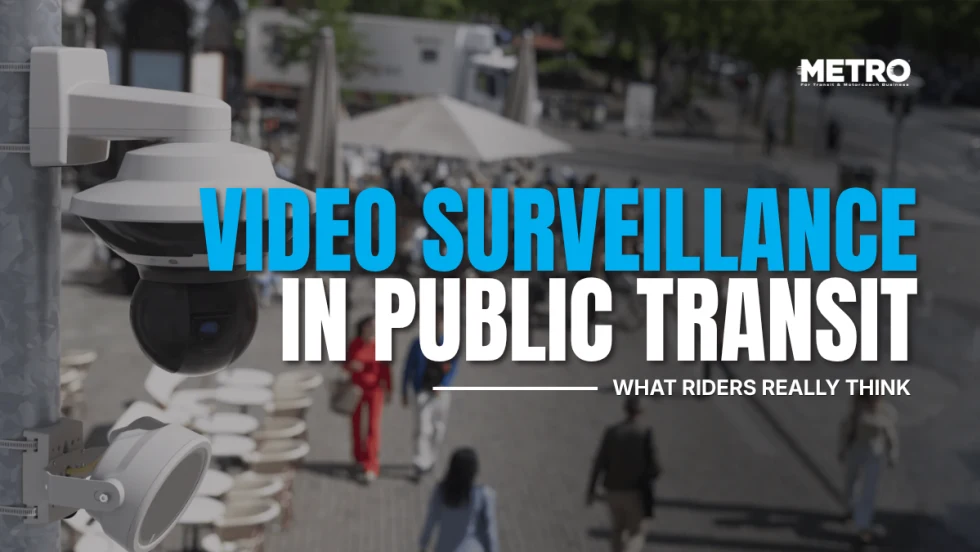
Video Surveillance in Public Transit: What Riders Really Think
As video surveillance gains public acceptance, new research from Axis Communications reveals what transit riders expect from agencies when it comes to safety, privacy, and AI.
Read More →
New York MTA Launches Historic $1.9B Signal, Track Modernization Project
Funded in part by congestion pricing revenue, the project will replace nearly century-old signals along the A and C lines in Brooklyn and Queens.
Read More →