



MBTA expands cell phone ban
Effective immediately, MBTA contractors, including Mass Bay Commuter Rail (MBCR), The RIDE paratransit service, and commuter boat and private bus contractors will comply with the directive issued to MBTA operators last month.

Following implementation of the recent ban on possession or use of cell phones and other electronic devices by bus, subway, and trolley operators, state transportation officials are announcing further compliance by Massachusetts Bay Transportation Authority (MBTA) service contractors.
Effective immediately, MBTA contractors, including Mass Bay Commuter Rail (MBCR), The RIDE paratransit service, and commuter boat and private bus contractors will comply with the directive issued to MBTA operators last month.
"Public safety and customer service must continue to be our number one priority and I'm thankful the MBTA's contractors are joining us in implementing a zero tolerance policy for cell phone use," said Transportation Secretary James A. Aloisi Jr.
The MBTA’s “zero tolerance” policy calls for immediate suspension and recommendation for dismissal for bus, train and subway operators caught using a cell phone, iPod or paging device while on duty. Under the new rules, drivers are prohibited from having such a device in their pocket or in a bag while on the job.
For several years, the MBTA has banned cell phone use by drivers while on the job, with penalties escalating from a three-day suspension after one offense, to a 10-day suspension after two, and dismissal for the third offense. Engineers on commuter rail trains operated by a private contractor are also prohibited from having a cell phone or other device on their person.
Extra: On Tuesday, June 9th, the MBTA suspended a subway worker for carrying a cellphone, the first since implementation of the agency-wide ban. For the complete story, click here.
More Paratransit

Biz Briefs: RIPTA Unveils New Frontrunners, Clevland RTA Adds New Siemens, and More
In METRO's latest installment, we take a look at recent news from Siemens, Prevost, Dodge, and more partnerships making headlines across the transportation sector.
Read More →
King County Metro Makes ADA Paratransit Easier to Navigate
METRO's Innovative Solutions Award winner replaces complex service-area descriptions with an accessible, interactive map that puts paratransit information directly in customers’ hands.
Read More →
Jacksonville’s NAVI Project Charts a New Course for Autonomous Public Transportation
Through its NAVI program, JTA is showing how autonomous vehicles, intelligent infrastructure, and coordinated operations can work together to deliver everyday public transportation.
Read More →
Driving Smarter Paratransit
John Hanlon shares how AlphaRoute is leveraging AI-powered technology to help paratransit providers optimize operations, support frontline staff, and enhance the rider experience.
Read More →
METRO Magazine Announces 2026 Innovative Solutions Awards Winners
Projects Recognized for Advancing Mobility Through Technology, Accessibility, Workforce Innovation, and Operational Excellence
Read More →
Biz Briefs: STV teams with Amtrak, Motorcoach Operators Boost Fleet and Land Contracts, and More
From manufacturers and suppliers to transit agencies and motorcoach operators, these updates offer a snapshot of the projects, partnerships and business moves driving the industry forward.
Read More →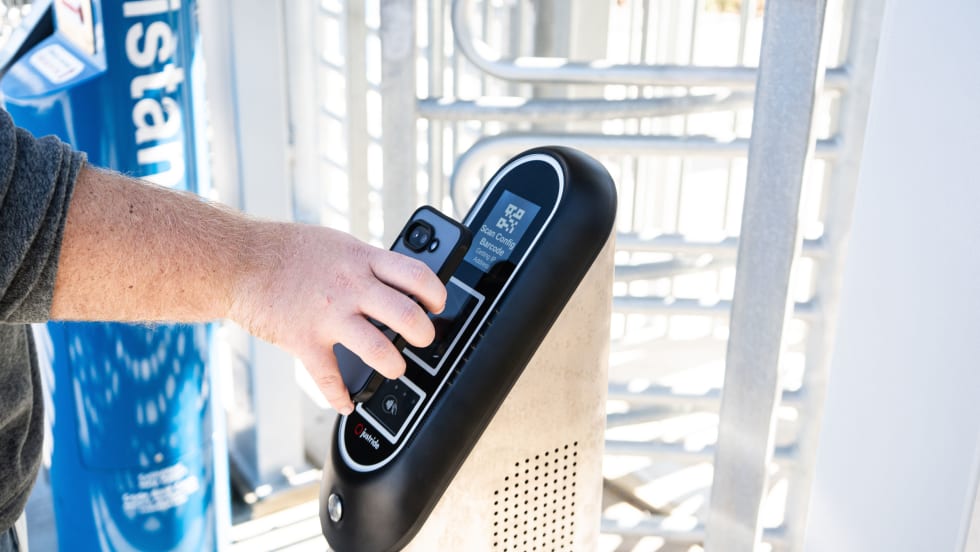
Biz Briefs: Masabi Teams with St. Louis Metro and More
In METRO's latest installment, we take a look at recent news from Transdev, Hitachi, and more partnerships making headlines across the transportation sector.
Read More →
New York MTA Leverages Zoning Program to Advance Station Accessibility
Accessibility enhancements at Nevins St Station will be financed through a development agreement tied to the MTA's Zoning for Accessibility initiative.
Read More →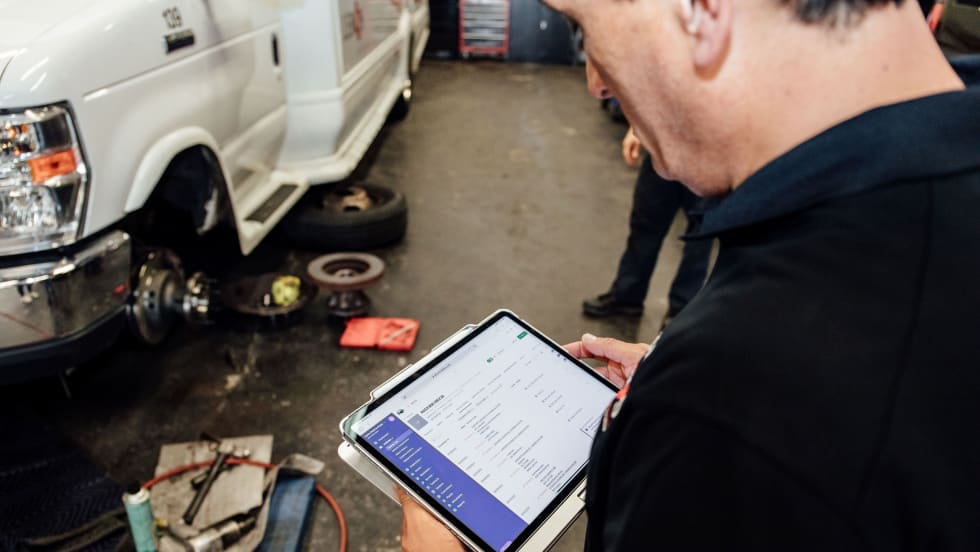
Reinventing Fleet Maintenance with Real-time Visibility and AI
Transit leaders need to know what needs fixing, where to look, who is responsible, when work is completed, and what it costs without having to chase information across disconnected systems.
Read More →
SamTrans Sets Priorities for Potential Connect Bay Area Revenue
The board-approved framework allocates future funding to maintaining service, rider improvements, equity initiatives, and infrastructure repairs.
Read More →