



MBTA Unveils Vision to Improve Safety, Equity, and More
The goals were developed through a collaborative process with MBTA staff and stakeholders.


One of the MBTA's goals is to increase its environmental sustainability to build a more resilient transit system.
BAE
At the Massachusetts Bay Transportation Authority’s (MBTA) board meeting, GM/CEO Phillip Eng and asst. GM Lynsey M. Heffernan announced the agency’s values, goals, and metrics to improve safety, service, equity, sustainability, and culture, building on the agency’s mission to provide the public accessible and reliable transportation.
The MBTA’s New Goals
The goals were developed through a collaborative process with MBTA staff and stakeholders.
The goals are as follows:
Empower and support staff to develop a culture, which prioritizes and promotes safety.
Modernize assets to improve connectivity, while ensuring MBTA property is maintained to a state of good repair.
Transparent decision making to ensure the experiences and perspectives of staff and riders are accounted for through transparent decision making.
Building a diverse and qualified workforce to retain, attract, and invest in a diverse and qualified workforce that represents MBTA’s ridership.
Support regional vitality by providing riders with dependable, frequent, and accessible service.
Increase environmental sustainability to build the sustainability and resilience of MBTA’s transit system.
Increase the percentage of transit trips in the region by attracting new riders and retaining existing riders with a dependable, frequent, and accessible service.
Communicate openly about costs and the revenue needed to support the agency’s ongoing service and the growth of its system.
“We are committed to providing a safe, reliable, and accessible transportation system for Massachusetts,” said Eng. “We are listening to the feedback of our riders and stakeholders, and we are using that feedback to shape our vision and our roadmap. It is only with them that we can make this mission a reality. We know we sometimes face challenges, but we are confident that we can overcome them. We are committed to making the MBTA a public transportation system that everyone can rely on.”
The MBTA’s Improvements
The development of metrics for tracking progress toward these goals will be finalized in the coming months.
In recent months, the MBTA has made a number of achievements, including the following, all aligned with these values, goals, and metrics:
A contract agreement with Local 589, which provides staff with wage increases, improved benefits, and job security.
Amplified hiring efforts, which are helping to address staffing shortages.
Ferry service expansion, which made it easier for riders to get around the region.
The advancement of the DEI Employee Advisory Council to amplify the voices of staff as the Authority sets a new path forward.
The MBTA's goals and metrics are a significant step forward in the agency's efforts to improve its safety, service, equity, sustainability, and culture. They provide a clear roadmap for the MBTA's future and will help ensure that the agency continues to be a vital part of Massachusetts and the New England region.
“We believe these goals will help keep us focused,” said Heffernan. “We’re serving vibrant and diverse communities with rich history and culture who deserve to be able to rely on us for public transit services. The more in tune we are with our collective vision, the more likely we will be able to deliver on that vision.”
Staying Proactive
In addition to the goals, the MBTA also announced a number of near-term actions that it is taking to align its current operations with the goals. These actions include:
Refining the Capital Investment Plan scoring process to ensure that all CIP projects help advance the agency's goals.
Finalizing agency-wide metrics and a high-level dashboard to assess progress and set benchmarks and targets.
Developing a Workforce Culture assessment to ensure that the agency is taking action to create a culture of safety and inclusion with a focus on hiring needs across all departments, including assessing collective bargaining where necessary.
Meeting the agency's environmental goals through the development of sustainability planning.
Building the agency's goals into the performance management system for leadership.
Partnering with the Office of Transportation Planning on required planning activities, like the next Program for Mass Transportation, which provides a public process for stakeholders to weigh in on the costs and trade-offs of potential long-term investments.
“With the help of our staff, stakeholders, and the public, we can and will make the MBTA an even safer, more reliable, and accessible transportation system for everyone,” concluded Eng.
More Management
Building Stronger Leaders, More Resilient Transit Teams
Dr. Carol Parker Walsh discusses leadership development, employee retention, workplace culture, and preparing transit’s workforce for AI and automation.
Read More →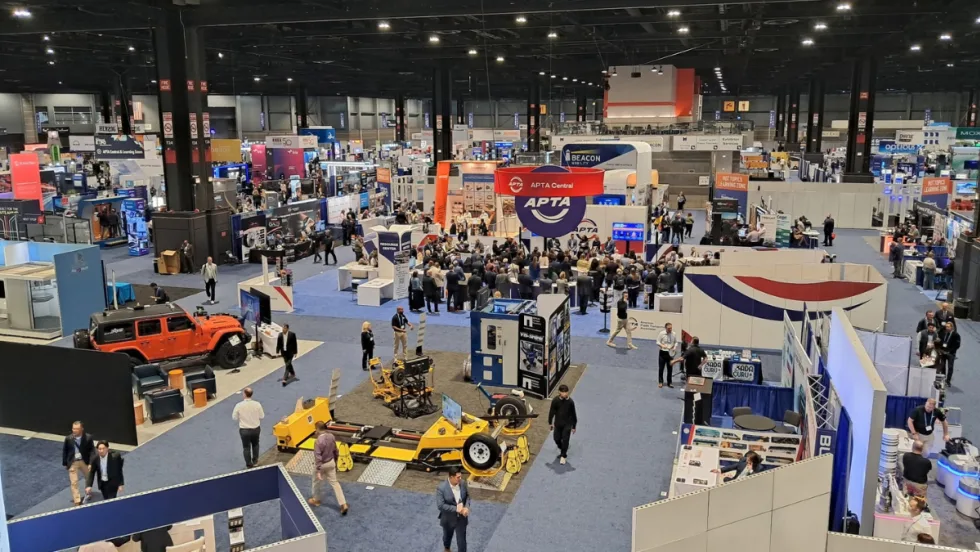
APTA 2026 TRANSform & EXPO Kicks Off in Chicago
After 45 years, APTA returns to Chicago with a focus on next-generation fleets, AI, connected transit networks, and the funding strategies shaping public transportation’s future.
Read More →
New York MTA Warns Federal Tariffs Could Add $1 Billion to Rolling Stock Costs
The agency said tariffs on specialized imported components could reduce the purchasing power of its $23 billion investment in new subway cars, railcars, and buses.
Read More →
From the Show Floor: What’s Happening at APTA TRANSform & EXPO 2026
Follow the latest product launches, partnerships, technology updates, and transit industry announcements coming out of APTA TRANSform & EXPO in Chicago.
Read More →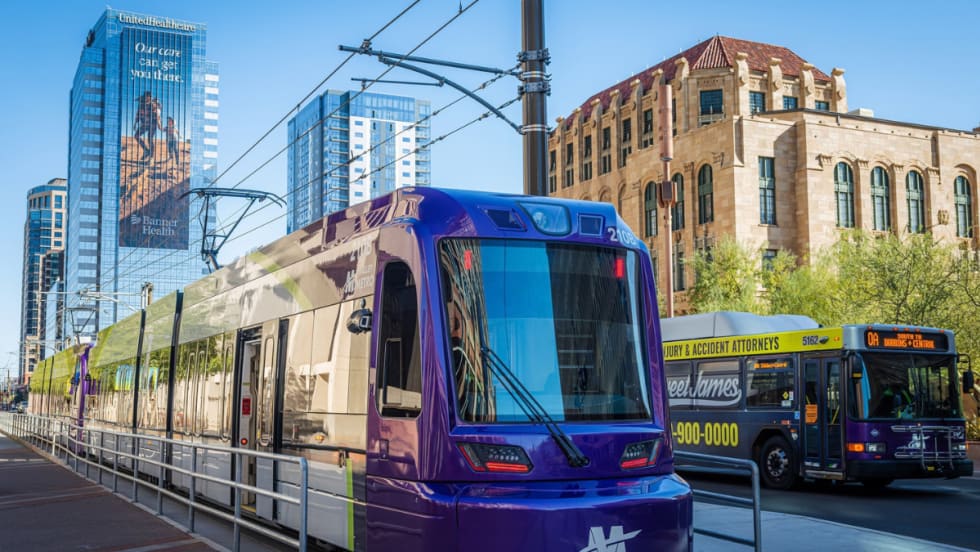
How Valley Metro Is Balancing Transit Growth With the Rider Experience
The APTA award-winning agency is pairing rapid system expansion with investments in workforce, safety, technology, and the fundamentals of transit service.
Read More →
Bus Tech Talk: Keeping Transit Technicians Ahead of the Technology Curve
In this episode of Bus Tech Talk, Complete Coach Works’ Business Development Manager Mark Hollenbeck and METRO’s Executive Editor Alex Roman sit down with Obed Mejia, Senior Technical Trainer for Bus Maintenance, at LA Metro to discuss how rapidly evolving bus technology is changing the maintenance shop — and the skills technicians need to keep pace.
Read More →
Michael Schneider Joins Paslay Group to Expand Transportation Practice
The longtime transportation executive will help Paslay Group grow its advisory and program management work across transit, highway, and other infrastructure sectors.
Read More →
People Movement: Connectpoint Expands Leadership Team, Stadler Names New Group CEO, and More
In this edition, we also spotlight recent personnel moves at Burns, UZURV, and more, highlighting the people taking on new roles across the transportation industry.
Read More →
More Than a Summer Job: Building the Next Generation of Transit Talent
The Delaware River Port Authority and PATCO have transformed their internship program into a hands-on professional development experience that introduces students to the breadth of transportation careers — and creates a pipeline for future employees.
Read More →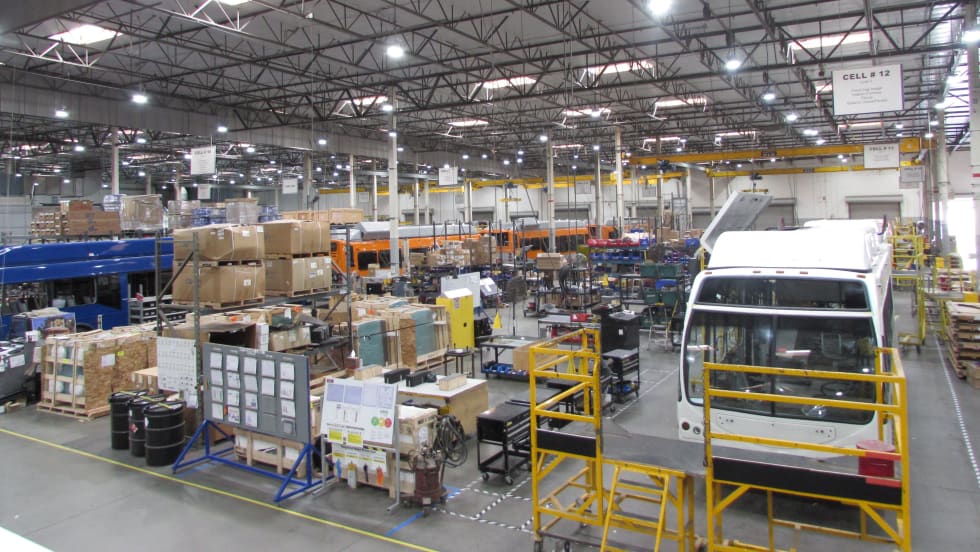
LA Metro Board Awards 220 Battery-Electric Bus Contract to ENC
The contract, which is the largest base award of battery-electric buses by a U.S. transit agency, will be built in Southern California, sustaining good jobs as LA prepares to welcome the world in 2028
Read More →