



MCI, Trans-Bridge Lines renew agreement
Operation was one of the first to take delivery of the MCI Renaissance coach (now named the E4500), featuring the industry’s first spiral entryway, as well as the new-look D4505 unveiled in 2005.

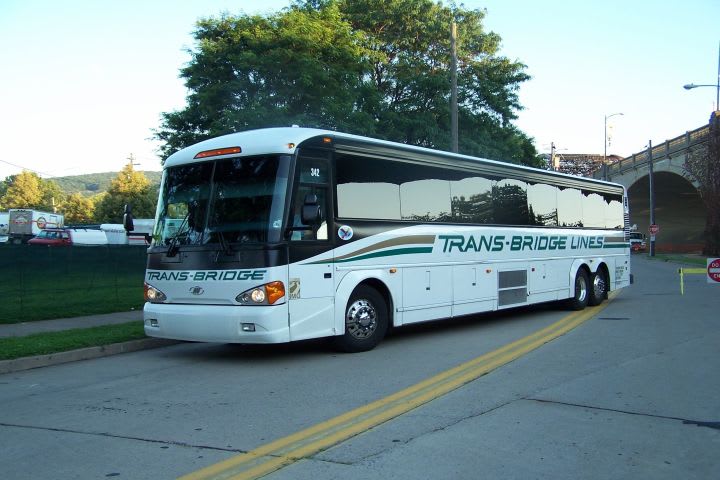
[IMAGE]Trans-.jpg[/IMAGE] Bethlehem, Pa.-based Trans-Bridge Lines renewed a commitment to only purchase motorcoaches from MCI for the next three years.
In 2008, Trans-Bridge took delivery of three new MCI D4505s and two pre-owned J4500 coaches, with plans to purchase a new J4500 by the end of the year.
“We like MCI’s responsiveness to its product and customer support,” said Tom JeBran, president of Trans-Bridge. “We have taken advantage of MCI’s training program, Webinars and 24/7 ERSA program, and feel their support of my operation deserves our buying commitment.”
Trans-Bridge was one of the first companies to take delivery of the MCI Renaissance coach (now named the E4500), featuring the industry’s first spiral entryway, and among the first to take delivery of MCI’s new-look D4505 unveiled in 2005.
Its newest MCI D4505s are powered by clean-diesel engine technology and are the first to feature Amaya seats upholstered in environmentally friendly fabric. The fabric, from LaFrance Industries, is made from 100-percent recycled, efficiently woven materials designed specifically for bus applications.
More Motorcoach
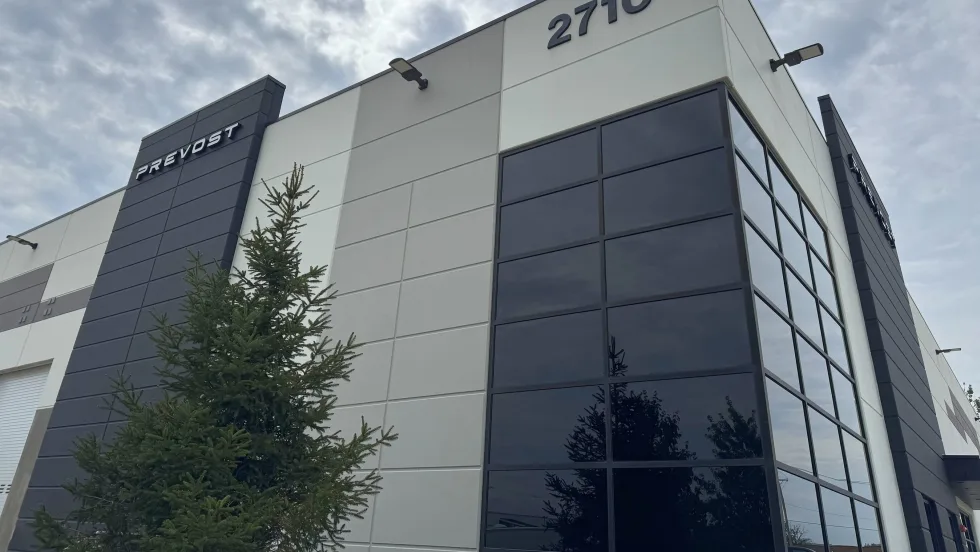
Prevost Opens Expanded Chicago-Area Service Center
The $8.1 million Elk Grove Village investment nearly triples facility space while adding service capacity, parts storage, and customer amenities.
Read More →
People Movement: Dan Dipert Coaches Adds Third-Generation Leader, Keolis Names New Valley Metro VP/GM, and More
In this edition, we also cover recent appointments and announcements at the Wabtec, SilverRide, HNTB, and more, showcasing the individuals helping to shape the future of transportation.
Read More →
METRO Opens Submissions for 2026 Motorcoach Awards
Nominations are now being accepted for METRO Magazine’s Operator of the Year and Innovative Operator of the Year awards.
Read More →
Biz Briefs: Alstom Lands Canadian Contract, LYT to Supply California TSP, and More
In METRO's latest installment, we take a look at recent news from Complete Coach Works, Beep, FlixBus, and more partnerships making headlines across the transportation sector.
Read More →
Biz Briefs: RIPTA Unveils New Frontrunners, Clevland RTA Adds New Siemens, and More
In METRO's latest installment, we take a look at recent news from Siemens, Prevost, Dodge, and more partnerships making headlines across the transportation sector.
Read More →
People Movement: Holly Arnold Joins Transdev and More
In this edition, we also cover recent appointments and announcements at Pace, CamTran, MCI, and more, showcasing the individuals helping to shape the future of transportation.
Read More →
ABA Report: Motorcoach Travel Generates $161.6B Economic Impact
The 2025 analysis finds motorcoach travel supported nearly 900,000 jobs and generated $28 billion in federal, state, and local taxes.
Read More →
CharterUP’s Armir Harris on Technology, AI, and the Future of Group Mobility
In a recent episode of METROspectives, CharterUP Founder/CEO Armir Harris discussed the company’s evolution from an online charter bus marketplace into a technology platform supporting public- and private-sector mobility and much more.
Read More →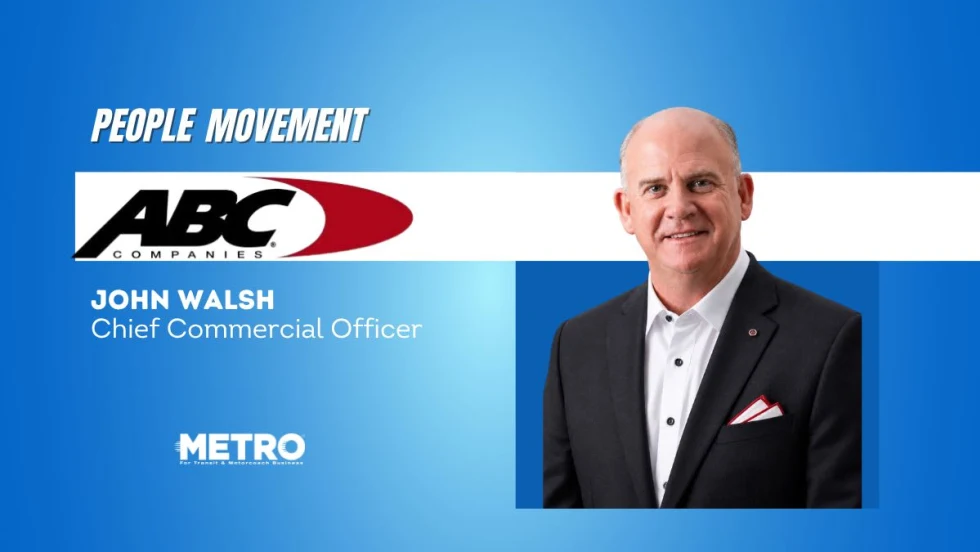
People Movement: ABC Names John Walsh as Chief Commercial Officer
In this edition, METRO also covers recent appointments and announcements at the DART, STV, and more, showcasing the individuals helping to shape the future of transportation.
Read More →
From Surviving to Thriving: Building Stronger Transportation Organizations
Bus Business Consultants founder Brian Dickson shares lessons on leadership, organizational health, and creating options for long-term success in a changing transportation industry.
Read More →