




More Than Fare: RTD Begins Transition to Account-Based Fare, Ticketing System
MCTS to Update New Fare Collection System
The new system is expected to launch in mid-2023, alongside Milwaukee County’s first Bus Rapid Transit (BRT) service.
August 8, 2022
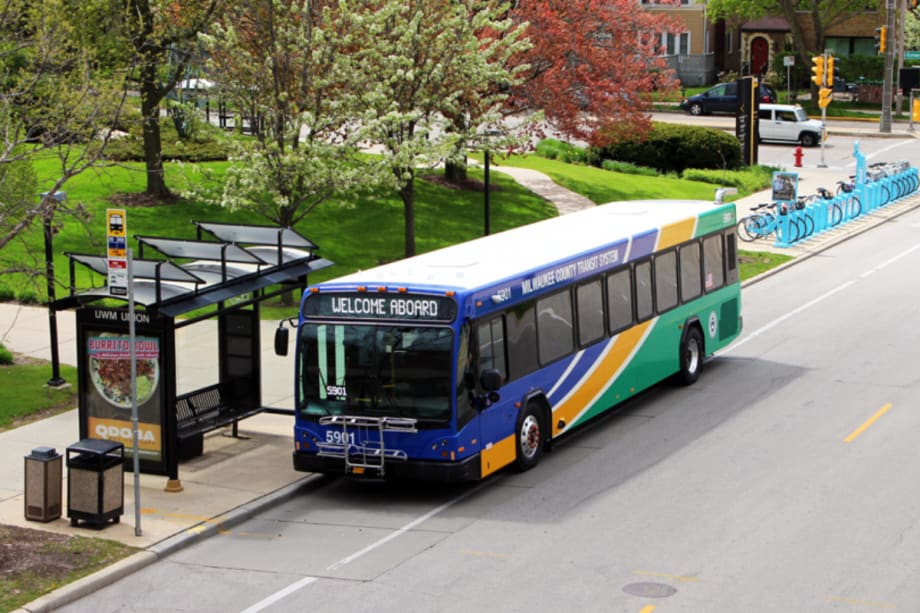
MCTS switched to a new mobile app to accommodate the account-based system and is set to begin installation of validators on buses throughout the winter.
Photo: MCTS
3 min to read
Milwaukee County Transit System (MCTS) announced the three phases of the transition to its new fare collection system.
The new system is expected to launch in mid-2023, alongside Milwaukee County’s first Bus Rapid Transit (BRT) service.
“Metropolitan Milwaukee is transforming into a world class city, with more conventions, cruise lines to our port, internationally recognized sports teams, additional airline services, leading hospital systems and institutions of higher learning. That's why modern transit is a necessity—to meet the changing needs of employers and residents alike—and MCTS is ready to deliver it,” said Kristina Hoffman, spokesperson for MCTS.
Phase I
During Phase I, after a review of requirements and completing the proposal process, MCTS chose Cubic’s Umo Mobility Platform for its back office, user-friendly mobile application, hardware compatibility, and solution for a retail network. MCTS switched to a new mobile app to accommodate the account-based system and is set to begin installation of validators on buses throughout the winter.
The rider experience will include the full benefits of the new fare collection system via the Umo app once the system is available in 2023. Until the full WisGo system launches, MCTS said it encourages riders to continue downloading the Umo app in the Google Play and Apple Store. By creating an account via the app, riders will be able to transition to the new system. To date, more than 34,000 riders have downloaded the app to plan their trip, track their bus and pay their fare.
MCTS reminds riders that until the new fare collection system launches, payment options through the app are still currently limited to credit, debit cards, and coming this month: Apple Pay and Google Pay. There is no stored value option enabled yet which means all fares activate immediately so riders should not purchase their fare via the app until they are ready to board the bus. Riders can purchase single fares and a Day Pass via the app. Group fares are possible via the M-Card only. M-Cards will be valid until mid-2023. Cash will remain an option.
Phase II
Phase II kicks off the pilot, slated for spring of 2023. Select social service agencies, Commuter Value Pass customers, U-Pass university participants, and MCTS employees will test the new system and provide feedback. MCTS will make adjustments and then roll out the live system in Phase III.
Phase III
The full WisGo system and Bus Rapid Transit line (BRT) are expected to go live by Phase III, mid-2023. Through the Umo mobile app and contactless smart cards, riders will be able to create accounts that will automatically track rides, deduct the amounts from their online accounts, and cap total costs at the lowest daily, weekly and monthly rates. This “fare capping” provides equitable pricing for everyone, as costs are adjusted based on rider frequency.
The launch will coincide with the start of MCTS’s new Bus Rapid Transit (BRT) service. The BRT E-W line will reimagine travel to and from downtown, change the entire pedestrian environment, foster cleaner air, and connect thousands of employees to jobs through high-frequency electric bus service. Federal, state, city, and county government officials have embraced the shared goal to bring about these changes through enhanced public transit.
“We can’t wait to roll out a modern fare collection system for our riders. Our intent is to make not only taking the bus easier but getting to wherever riders want to go more convenient,” said Hoffman. “The simple name, ‘WisGo’ means we connect you to where you’d like to go.”
More Technology
Almaviva Looks to Open Architecture to Advance Transit Technology
Eric Reese discusses how interoperability, open architecture, and modular design can help transit agencies control costs, reduce vendor lock-in, and upgrade technology without starting over.
Read More →
Driving Smarter Paratransit
John Hanlon shares how AlphaRoute is leveraging AI-powered technology to help paratransit providers optimize operations, support frontline staff, and enhance the rider experience.
Read More →
From Hardware to Digital Partner: Luminator Charts Its Next Chapter
CEO Magnus Friberg discusses Luminator’s shift toward becoming a digital partner, the growing importance of software and interoperability, and how AI can help agencies improve operations and passenger experience.
Read More →

Beyond the Checklist: A Structured Approach to Transit Maintenance
Reliability-Centered Maintenance helps transit agencies move beyond routine checklists to focus limited resources on the assets and failures that have the greatest impact on safety, reliability, and service.
Read More →
NJ TRANSIT Advances Bus Technology Upgrades Across Statewide Fleet
More than 1,500 buses now feature upgraded technology designed to improve arrival predictions and provide free Wi-Fi, with deployment expected to reach nearly 2,000 buses by the end of 2026.
Read More →
Building a Flexible Path to Transit Electrification
John Hroncich discusses BAE Systems’ modular and scalable approach, lessons learned from decades of real-world operations, and how agencies can identify electrification strategies that fit their fleets.
Read More →
Biz Briefs: Alstom Lands Canadian Contract, LYT to Supply California TSP, and More
In METRO's latest installment, we take a look at recent news from Complete Coach Works, Beep, FlixBus, and more partnerships making headlines across the transportation sector.
Read More →
Sponsored•September 8, 2026
From Legacy Silos to Conversational Intelligence
What if transit leaders could ask any operational question and get a trusted answer in seconds? Conversational AI is transforming how agencies use their data.
Read More →
USDOT Announces Rail Vehicle Replacement Grants, Chattanooga AV Shuttle Funding
More than $191 million in federal funding will help three transit agencies replace aging rail vehicles and support a new autonomous shuttle service in Chattanooga.
Read More →
Bus Tech Talk: Keeping Transit Technicians Ahead of the Technology Curve
LA Metro’s Obed Mejia discusses technician training, evolving maintenance technology, fleet replacement, and strategies for getting the most out of today’s transit fleets.
Read More →