



Md. MTA purchases 40 MV-1s
The first 10 MV-1s are in service and the remaining 30 should be in service within two months.

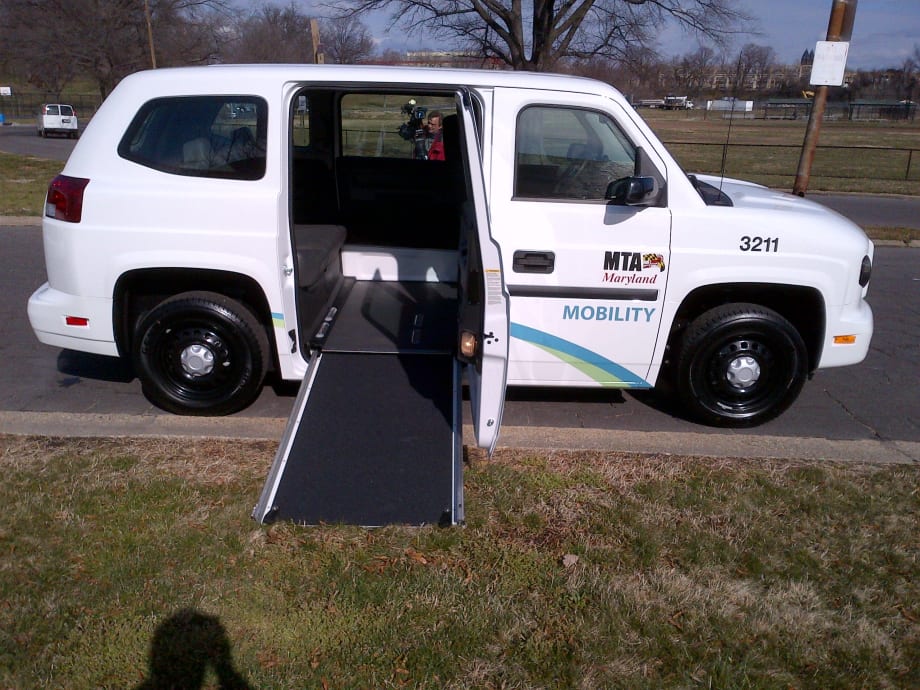

The Maryland Transit Administration (MTA) purchased 40 MV-1 mobility vehicles, marking the long term goal of replacing the mobility fleet’s sedans and many of its cutaway buses.
The first 10 MV-1s are in service and the remaining 30 should be in service within two months.
“These new MV-1 vehicles reflect a commitment to delivering top level service to our mobility customers,” said MTA Administrator Ralign T. Wells. “Once these MV-1s are fully implemented, our entire MTA mobility fleet will be fully wheelchair accessible.”
In addition to being designed specifically for the mobility community, MV-1s get better gas mileage and are easier to navigate on narrow, one-way city streets. It is estimated the MV-1s will save the MTA approximately $75,000 a month, or $900,000 a year, once 70% of the fleet is converted. Maintenance costs are expected to be reduced about 50%.
The MTA’s long term goal is to replace all 120 sedans by 2014 and have MV-1s represent 70% of the mobility fleet by 2017. The MTA currently operates 447 mobility vehicles; 325 cutaway buses and 120 sedans.
More New Mobility
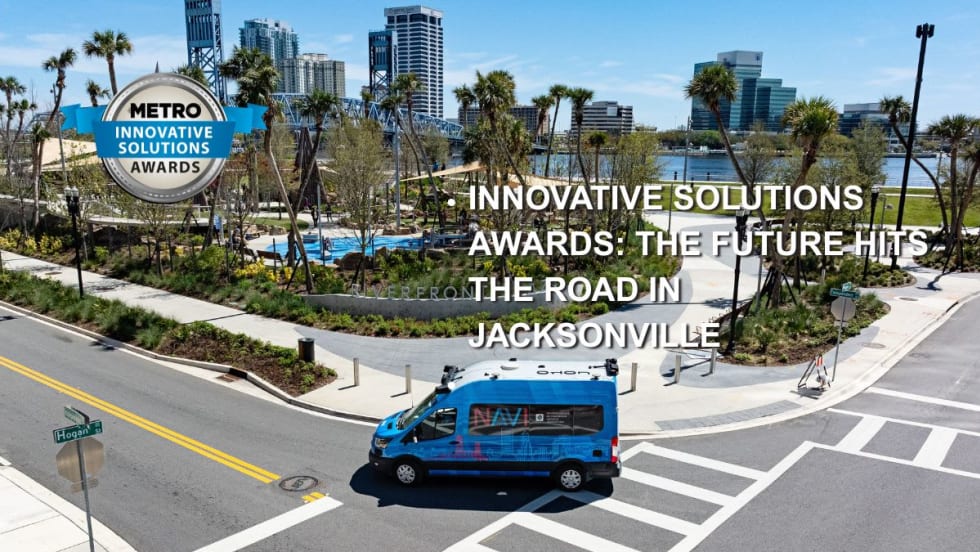
Jacksonville’s NAVI Project Charts a New Course for Autonomous Public Transportation
Through its NAVI program, JTA is showing how autonomous vehicles, intelligent infrastructure, and coordinated operations can work together to deliver everyday public transportation.
Read More →
Biz Briefs: Luminator Marks Milestone and More
From manufacturers and suppliers to transit agencies and motorcoach operators, these updates offer a snapshot of the projects, partnerships and business moves driving the industry forward.
Read More →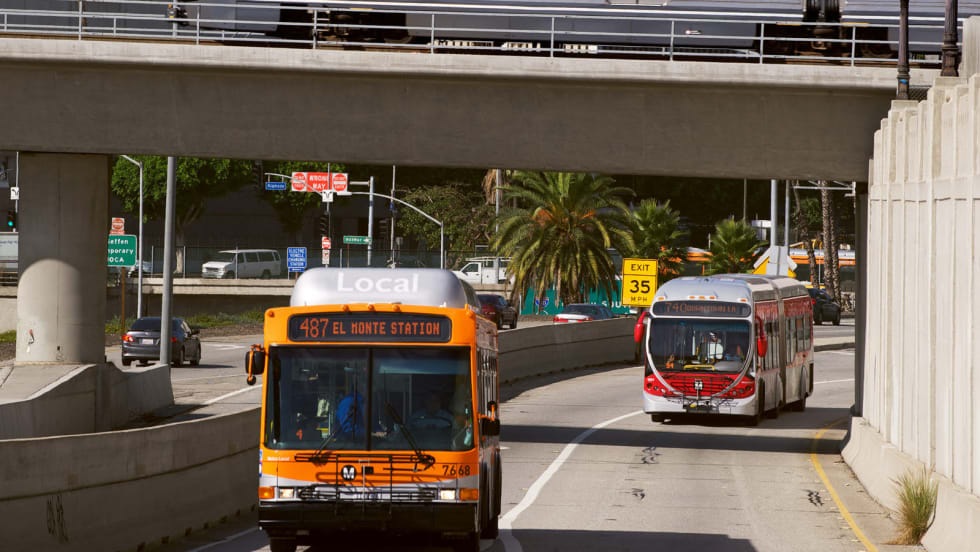
New Tricks for Old Bureaucracies: Joshua Schank on Making Transit Innovation Stick
Former LA Metro Chief Innovation Officer Joshua Schank discusses why good ideas aren't enough, how transit agencies can overcome resistance to change, and why today's challenges demand more innovation.
Read More →
How DART's GoPass Is Redefining Regional Mobility
Serving 14 transit agencies, GoPass simplifies multimodal travel by allowing riders to plan, pay for, and manage an entire trip through one app.
Read More →
Biz Briefs: OCTA Taps Clean Energy for Hydrogen Station, Stadler to Supply Via Rail Vehicles, and More
From manufacturers and suppliers to transit agencies and motorcoach operators, these updates offer a snapshot of the projects, partnerships and business moves driving the industry forward.
Read More →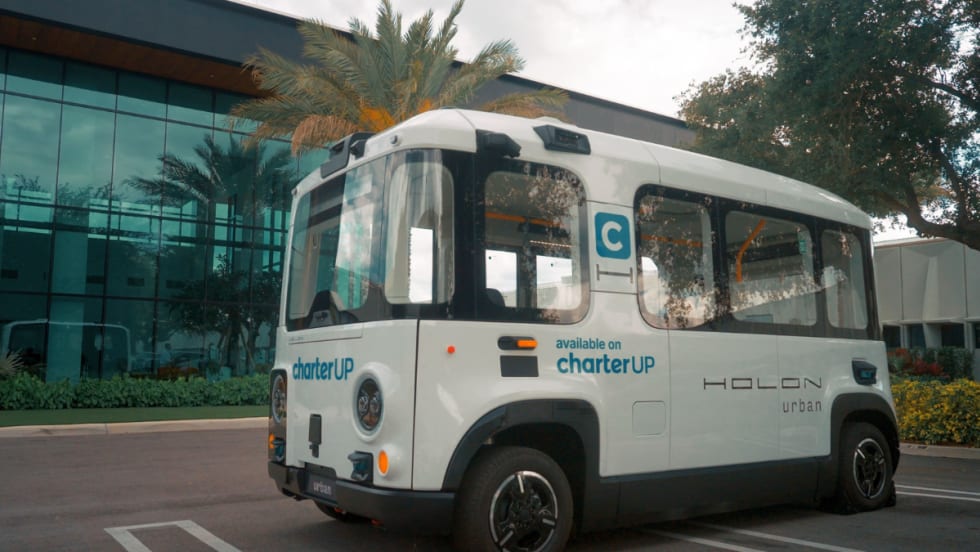
CharterUP Expands Into New Mobility and Autonomous Transportation
Vice President of New Mobility Stephen Joos discusses how CharterUP is leveraging its nationwide transportation network, technology platform, and autonomous vehicle partnerships to expand into workforce mobility, campus shuttles, and transit solutions.
Read More →
METRO Magazine Announces 2026 Innovative Solutions Awards Winners
Projects Recognized for Advancing Mobility Through Technology, Accessibility, Workforce Innovation, and Operational Excellence
Read More →
Biz Briefs: STV teams with Amtrak, Motorcoach Operators Boost Fleet and Land Contracts, and More
From manufacturers and suppliers to transit agencies and motorcoach operators, these updates offer a snapshot of the projects, partnerships and business moves driving the industry forward.
Read More →
Biz Briefs: Masabi Teams with St. Louis Metro and More
In METRO's latest installment, we take a look at recent news from Transdev, Hitachi, and more partnerships making headlines across the transportation sector.
Read More →
Microtransit's Next Test: Becoming Part of the Network
Freebee shows how electric microtransit is moving beyond pilots to fill network gaps, connect riders to transit, and prove lasting value.
Read More →