




Keep Reading: Smarter Maintenance Starts with Risk, Not Routine
The Heart Behind Austin's Light Rail
Why Austin Transit Partnership's Operations and Maintenance Facility could become the most important building in the city's first light rail system.
July 15, 2026
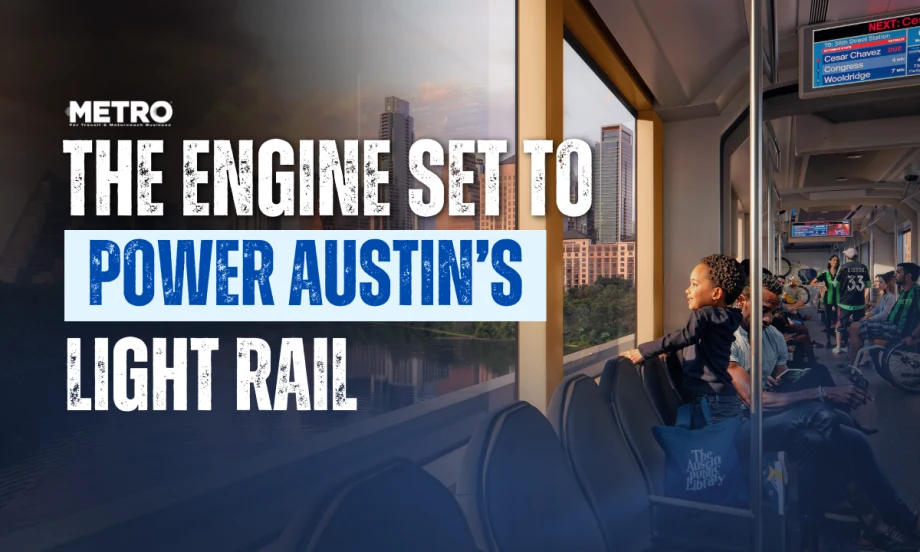
With the design-build team now in place, ATP is advancing design, field investigations, utility coordination, and permitting while preparing for the next phase of the Federal Transit Administration's Capital Investment Grants process.
Credit:
Austin Transit Partnership/METRO
7 min to read
- The Austin Transit Partnership's Operations and Maintenance Facility is central to the success of the city's new light rail system.
- This facility ensures efficient operation and upkeep, affecting the reliability and longevity of the light rail network.
- The development of this facility is pivotal for supporting future transit expansion and enhancing public transportation in Austin.
*Summarized by AI
When most people imagine a new light rail system, they picture sleek trains, modern stations, and the promise of easier commutes. Rarely do they think about the facility that makes every one of those trips possible.
Austin Transit Partnership (ATP) recently took another significant step toward realizing its Operations and Maintenance Facility (OMF) by selecting Kiewit Austin Partnership (KAP) — a joint venture between Kiewit Building Group Inc. and Austin Commercial — as the design-build contractor to deliver the facility. ATP also selected Stadler U.S. as the manufacturer of vehicles for the light rail. With ATP's Board approving the contract, pre-construction activities are now underway, including advancing design, permitting, and site preparation.
With ATP's Board approving the contract, pre-construction activities are now underway, including advancing design, permitting, and site preparation.
“This is another major step forward, and we now have the full construction team that will deliver Austin’s light rail system,” ATP CEO Greg Canally said. “The Operations and Maintenance Facility is integral to the success of the system.”
While the announcement marks an important procurement milestone, the project itself is the operational backbone that will enable Austin's first light rail system to operate safely and efficiently for decades to come.
"It's where the trains will be stored when not in use, where they'll be maintained and cleaned, and not to mention where all of the operations and control and things like dispatch occur," said Lindsay Wood, executive vice president, engineering and construction, for ATP. "And so this facility is what will create a safe, clean, and reliable service for people to use."
Transit agencies often refer to maintenance facilities as the "backbone" of a rail system. Wood takes the analogy one step further.
"The operations and maintenance facility is the heart of the light rail system," she said.
It's an apt description. Every vehicle entering passenger service will pass through the facility. Operators will begin and end their shifts there. Maintenance crews will inspect and service trains, dispatchers will coordinate operations, and support staff will keep the entire network functioning behind the scenes.
Without it, there is no rail service.
"You really can't have a system without it," Wood explained. "We have to have a place to store more than 20 trains needed to operate what will be a frequent service with trains serving each station every five to 10 minutes. And so without this facility, there is no ability to deliver that level of service."
As Austin prepares to join the growing list of North American cities investing in modern light rail, the OMF represents the invisible infrastructure passengers may never see, but will experience every day through consistent service, clean vehicles, and dependable operations.
Global Partnership Expertise Meets Local Knowledge
ATP has embraced collaboration early, rather than correction later, as part of its contractor selection and overall project philosophy. For example, instead of developing procurement documents internally before issuing a request for proposals, ATP invited industry participation while the procurement process was still taking shape.
The agency released draft procurement documents through a Request for Information process, then hosted listening sessions with prospective teams to gather feedback on everything from contract language to evaluation criteria.
Rather than treating contractors as bidders until bids were submitted, ATP treated them as future project partners from the outset.
"We felt like not only is it a partnership in delivering the work," Wood said, "but can we begin that partnership well before the work ever begins in defining what the work is, defining what our relationship will look like?"
The approach appears to have paid dividends. ATP completed the procurement in approximately one year, an accelerated timeline compared with many transit mega-projects nationwide, while still conducting a competitive evaluation focused on technical expertise, personnel qualifications, innovation, and project delivery strategy.
Ultimately, ATP selected Kiewit Austin Partnership because it combined two qualities rarely found in a single team.
Kiewit brings decades of experience delivering complex transit infrastructure projects throughout North America, including specialized maintenance facilities, which are relatively uncommon and require highly specialized expertise.

Pairing international rail expertise with local construction knowledge offers the opportunity to deliver infrastructure that performs operationally while fitting thoughtfully within its neighborhood.
Credit:
Austin Transit Partnership
Austin Commercial contributes a deep familiarity with the region's permitting processes, construction environment, and community stakeholders, gained over decades of delivering major local projects, including landmarks such as Q2 Stadium and Circuit of the Americas.
"They brought a unique combination of national and even global light rail experience, including maintenance facilities," Wood said. "That experience isn't common and easy to come by because these sorts of facilities aren't built very often."
Just as important, she noted, was Austin Commercial's understanding of the city itself.
“Having lived and worked in Austin for more than 40 years, we’re committed to delivering a project that serves this community with excellence,” said Jack Archer, Austin Commercial senior vice president, Central Texas. "[Kiewit] brought that foundation of technical expertise, and was matched with Austin Commercial for a local understanding of how to develop and build projects in Austin, understanding our permitting requirements, and really knowing the local stakeholders and the surrounding community."
Pairing international rail expertise with local construction knowledge offers the opportunity to deliver infrastructure that performs operationally while fitting thoughtfully within its neighborhood.
Designing With Construction and Long-Term Opportunity in Mind
The OMF is also one of the earliest opportunities for ATP to implement its progressive design-build delivery model.
Unlike traditional project delivery, where contractors often enter after design is largely complete, progressive design-build brings designers and builders together during the earliest phases of development.
The early collaboration allows construction methods, scheduling, cost considerations, and community priorities to shape design decisions before plans are finalized.
According to Wood, the approach creates a far more integrated planning process.
"It allows us to align the work with what it will cost, the amount of time it will take, and how it will be built," she said.
Those conversations extend beyond engineers and contractors. ATP is incorporating community stakeholders into design workshops as the project evolves, allowing neighborhood concerns to influence decisions before construction begins.
"We even have the contractors out meeting with community stakeholders to make sure that we really understand what the different issues are in the area and that we're designing those perspectives in from the beginning," Wood said.
For a facility often viewed primarily through an operational lens, that emphasis on community integration reflects how transit infrastructure must balance performance with neighborhood compatibility. Still, this facility’s impact already extends well beyond service operations.
During design and construction, ATP expects the project to support thousands of jobs, including architects, engineers, skilled tradespeople, and suppliers. The selected team already includes roughly 10 design-phase subcontractors, with about half based in the Austin region.
Its economic contribution, however, doesn't end when construction wraps up.
Once operational, the OMF will become a long-term employment center supporting operators, mechanics, dispatchers, and maintenance personnel who will keep Austin's rail network running every day.
"It's not just the thousands of jobs that are engineers and architects and skilled craft labor from those that will build it," Wood said. "It's also a generational opportunity for our surrounding communities and neighborhoods in building careers that will last for decades to come after the facility is built and in operation. It really does serve as an economic engine and a workforce opportunity that we're excited to give back to the community."
Looking Ahead: Where Austin's Rail System Takes Shape
With the design-build team now in place, ATP is advancing design, field investigations, utility coordination, and permitting while preparing for the next phase of the Federal Transit Administration's Capital Investment Grants process.
The agency expects to continue advancing design through permitting before early enabling work begins, followed by major construction later in the decade.
Although the Operations and Maintenance Facility may never become the most publicly recognizable part of Austin's light rail system, since few riders will ever visit it or even know where it is, it will still be a hub where every reliable departure, every clean vehicle, and every safely operated train from ATP will originate.
As Austin builds its first modern rail system, the OMF isn't simply another project on the construction schedule.
“This facility that we're designing and building becomes the foundation for delivering a safe, reliable, frequent, and clean service that people will actually want to use," Wood said.
It is, as Wood describes it, "the heartbeat for all of those elements."
Editor's Note: This article was originally published July 15, 2026, and was updated on August 3, 2026, for continued relevancy on the Austin Light Rail and its chosen manufacturer of vehicles.
Subscribe to Our Newsletter
More Rail
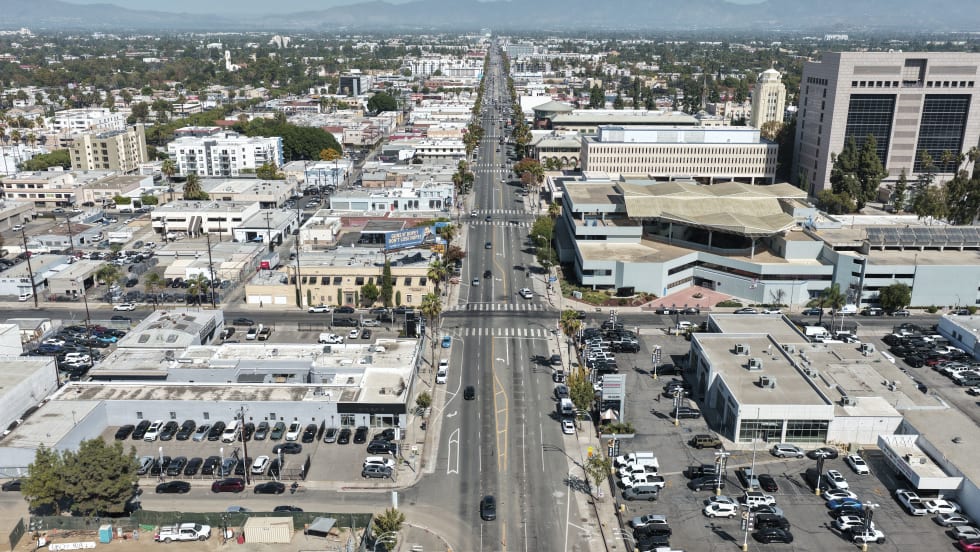
LA Metro Breaks Ground on East San Fernando Valley Light Rail Project
The 6.7-mile line will add 11 stations along Van Nuys Boulevard, expand access to jobs and regional transit connections, and support Metro’s broader efforts to improve mobility as rail ridership grows.
Read More →
CSA Group Releases Climate Resilience Standard for Transit, Passenger Rail
Developed with support from the Standards Council of Canada, CSA D700 guides assessing climate-related risks and planning adaptation measures for transit and passenger rail systems.
Read More →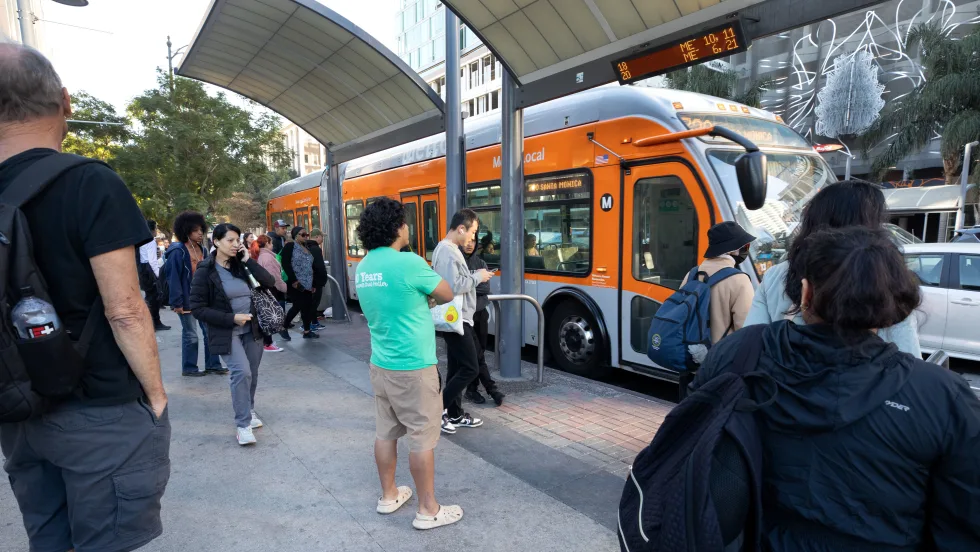
LA Metro September Ridership Climbs 3.9%, Led by Rail Growth
The agency recorded more than 27.2 million boardings, with rail ridership increasing 12.4% year over year and the D Line posting the largest gains.
Read More →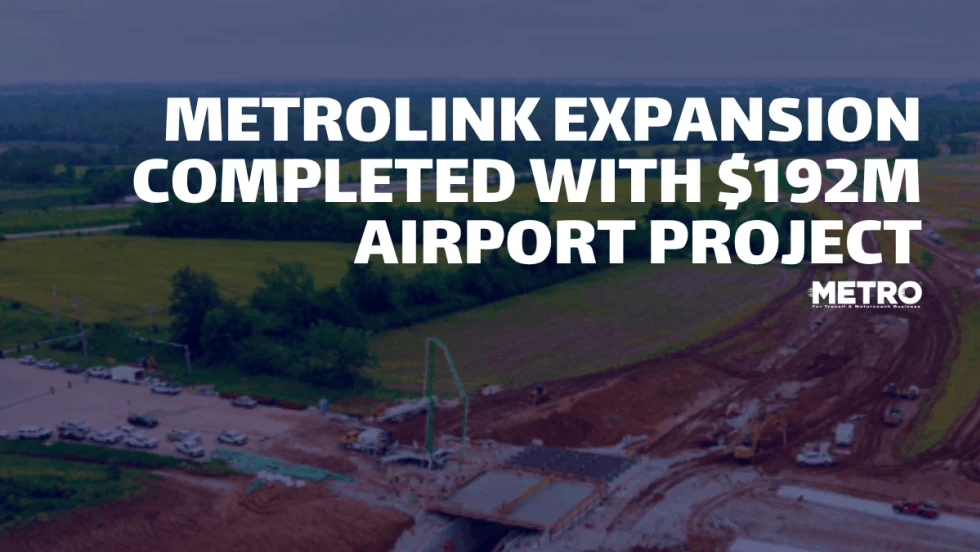
First Full MetroLink Rail Expansion Completed in 20 Years with $192M Airport Project
The project links two St. Louis-area airports by light rail while adding roadway and bike trail connections to improve regional access and mobility.
Read More →
Utilimarc Launches SmartReplace to Optimize Fleet Replacement Decisions
AI-powered SmartReplace helps fleets prioritize vehicle replacements, model budget scenarios, and build more defensible long-term strategies.
Read More →
Scenes from APTA TRANSform & EXPO 2026
Transit leaders, manufacturers, and industry professionals gathered in Chicago to explore new technologies, share ideas, and discuss the future of public transportation.
Read More →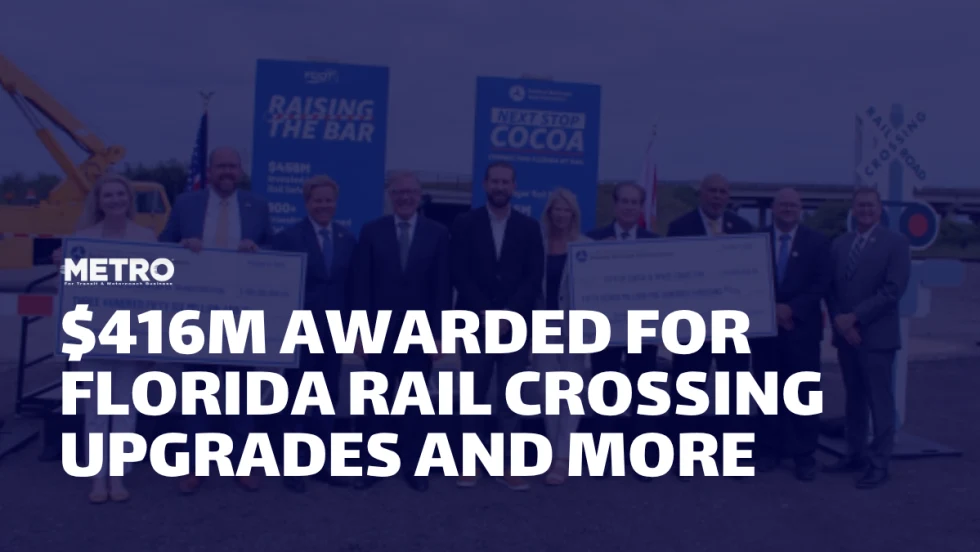
USDOT Awards $416 Million for Florida Rail Crossing Safety Upgrades, New Brightline Station
The projects aim to reduce risks for motorists and pedestrians at rail crossings while expanding passenger rail access along Florida’s Space Coast.
Read More →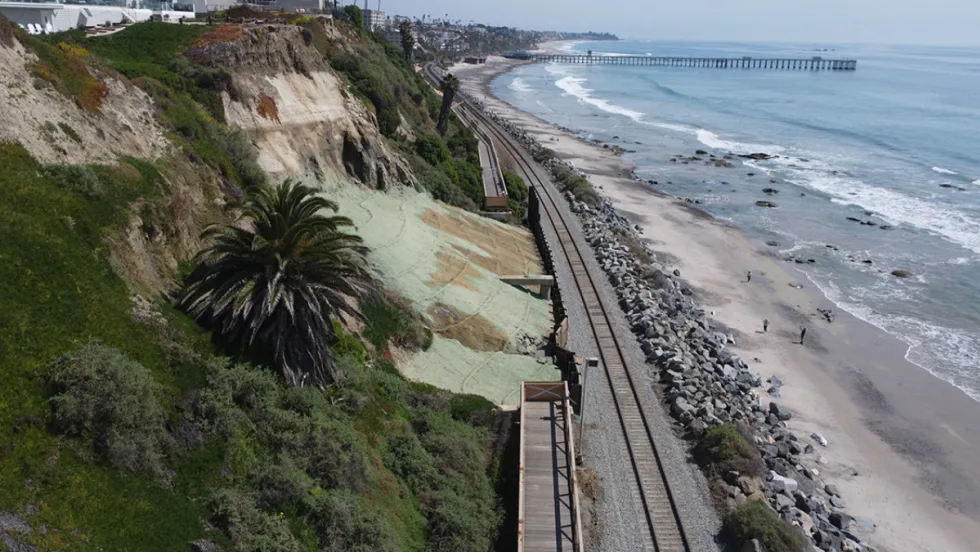
OCTA Declares Emergency to Protect Rail Corridor From Coastal Erosion
The California agency is accelerating shoreline protection and plans to place approximately 690,000 cubic yards of sand along the San Clemente coast to protect a key passenger and freight rail link.
Read More →
More Than a Summer Job: Building the Next Generation of Transit Talent
The Delaware River Port Authority and PATCO have transformed their internship program into a hands-on professional development experience that introduces students to the breadth of transportation careers — and creates a pipeline for future employees.
Read More →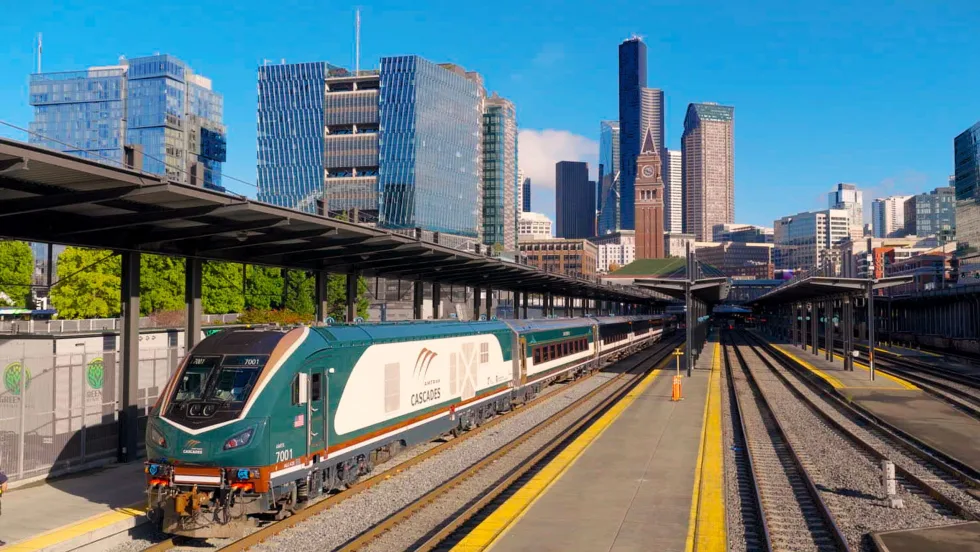
Airo Trains Make Their Amtrak Cascades Debut in the Pacific Northwest
Effective immediately, two cutting-edge Airo trainsets will join the Amtrak Cascades route, operating four daily trips between Vancouver, B.C., Seattle, Portland, and Eugene, Oregon, marking the first introduction of Airo trains into passenger service anywhere in the country.
Read More →