



Metra to purchase new, modern seating based on customer feedback
Metra to purchase new, modern seatsCustomer feedback results in additional design enhancements

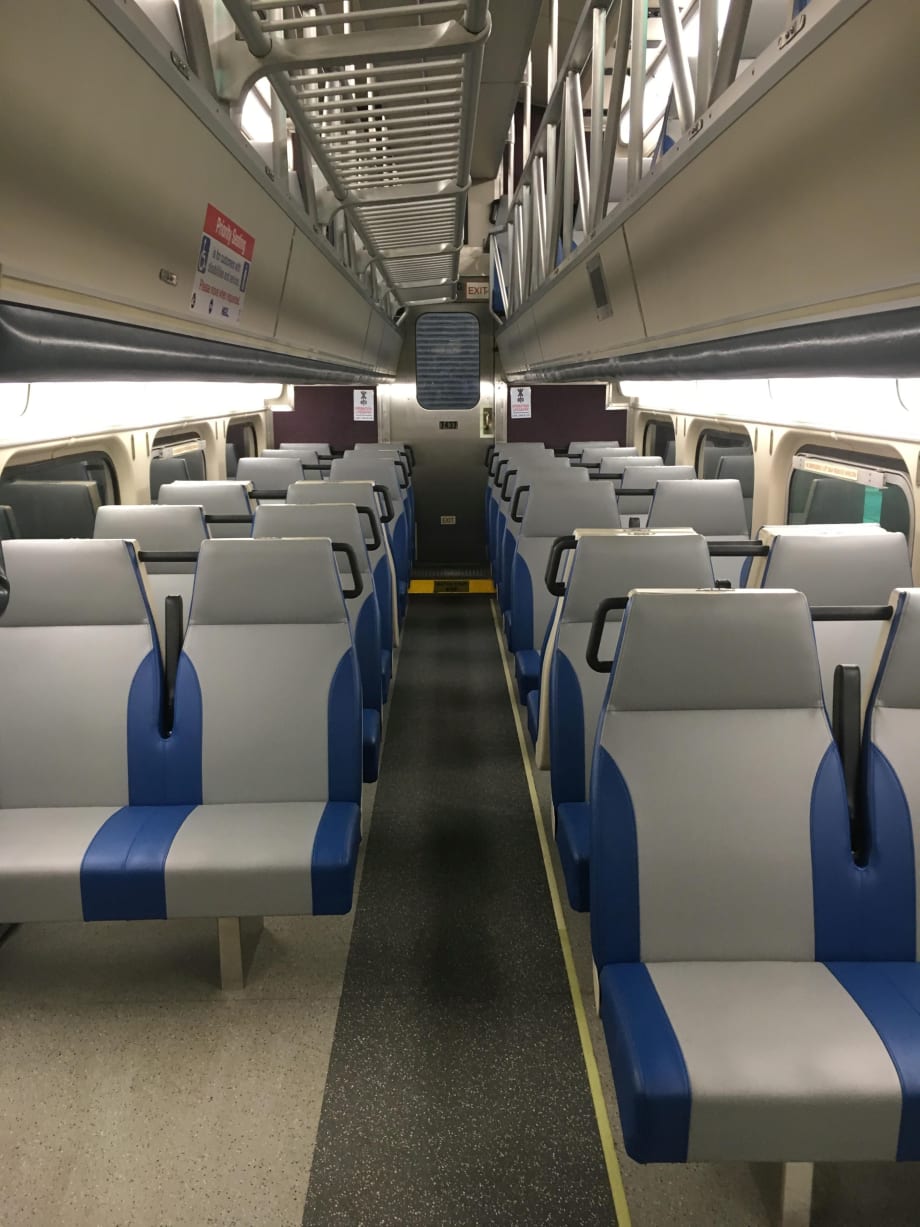
The new seats feature armrests, cup holders and better head, neck and lumbar support. Photo: Metra
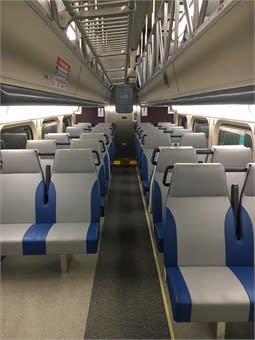
The new seats feature armrests, cup holders and better head, neck and lumbar support. Photo: Metra
After a yearlong pilot program to test a new style of seats with armrests, built-in cup holders and better head, neck and lumbar support, Metra announced plans to purchase and install the new, modern seats on an ongoing basis as it rehabilitates its fleet of railcars. The new seats will also be included in future railcar purchases and will become the standard for Metra’s fleet moving forward.
As part of the pilot program, Metra used a survey to gather input from customers about what they liked and didn’t like about the new seats and the older seats. While the new seats were not favored by everyone, Metra believes there are strong economic reasons for choosing the new style and the design will be further enhanced based on the feedback received from customers.
“This was not an easy choice to make because we know that many of our customers like the older, bench-style seats,” said Metra Executive Director/CEO Don Orseno. “But we received some great input from our customers that we will incorporate into the next design that will make the new seats even more comfortable.”
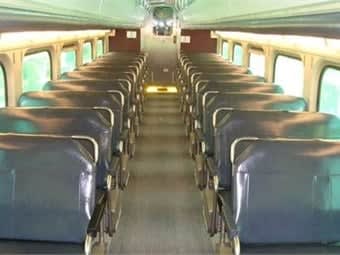
Replacing the new seats in future rehabilitations will cost about 50% less than replacing the old ones (shown) because parts can be reused.Photo: Metra
As a result of customer feedback, the new seat design will include an additional armrest, be modified slightly to widen the aisles to their original width and will feature enlarged cup holders.
Most respondents indicated they were unsatisfied with the direction the new seats face (the stationary design means that half of seats face backwards), however, the majority of customers who had an opinion about the new seats were satisfied with both their comfort and size.
In addition, Metra will continue to install USB ports and power outlets in its railcars to allow customers to charge their phones and mobile devices while onboard.
The new seats cost about the same as the older seats, but there are more manufacturers of this style in the rail industry, which is expected to keep the prices competitive and drive down future procurement costs. Further, replacing the new seats in future rehabilitations will cost about 50% less than replacing the old ones because parts can be reused.
Metra is not spending any extra money on the new seats; they are being installed in cars whose seats need replacement anyway, and rather than replace them with the older style the agency is replacing them with the new style. The agency also hopes that the new, stationary design will help prevent injuries to customers and employees who pinch their fingers and strain muscles flipping the older seats back and forth.
“The reality is that these new seats have become the standard for the vast majority of commuter railroads,” Orseno added. “We are excited to take this step forward with railcars that feature a more modern seat design.”
More Rail

New York MTA Advances Final Contract for Second Avenue Subway Expansion
Contract Four is the largest in the Second Avenue Subway Phase 2 project and includes construction of station infrastructure, tracks, and signals for the subway expansion, MTA officials said. Work on Contract Four will begin in 2027.
Read More →
San Diego MTS Breaks Monthly Trolley Ridership Record
Agency officials said July’s ridership indicates MTS’s continued recovery from the pandemic.
Read More →
Report Examines NJ TRANSIT Reliability, Funding Challenges
The Garden State Initiative analysis examines the roles of Amtrak infrastructure, fleet management, and agency operations while recommending a more performance-based approach to improving reliability.
Read More →
Stadler, CapMetro Sign Long-Term Rail Fleet Support Agreement
Beginning in 2027, Stadler will provide on-site technical expertise, spare parts support, training, and obsolescence management to help extend the reliability and longevity of CapMetro’s GTW fleet.
Read More →
Biz Briefs: Alstom Lands Canadian Contract, LYT to Supply California TSP, and More
In METRO's latest installment, we take a look at recent news from Complete Coach Works, Beep, FlixBus, and more partnerships making headlines across the transportation sector.
Read More →
CATS Gold Line Marks 5 Years of Service, 2.8M Passenger Trips
With a six-mile expansion planned, the Charlotte streetcar is positioned to connect more neighborhoods and major transit hubs across the region.
Read More →
Why Simulating Pedestrian Movement Has Become Essential for Modern Rail Stations
Pedestrian microsimulation is helping rail planners identify bottlenecks, test station designs, and prepare complex transit hubs for growing passenger volumes.
Read More →
Amtrak Begins Major Construction at New York’s Sunnyside Yard
The new maintenance facility will support Amtrak’s Airo trainsets while improving maintenance efficiency and turnaround times in New York.
Read More →
Chicago Leaders Unveil Plans for O’Hare Airport Express Train
The privately developed project would offer a 15-minute trip between downtown and O’Hare’s Terminal 2, with trains operating every 15 minutes on a dedicated track. The service would use battery-electric trains and three existing freight rail rights-of-way.
Read More →
OCTA Maps Out 30-Year Strategy to Protect Coastal Rail Corridor
The draft feasibility report identifies strategies to protect the coastal rail line for decades as the agency continues near-term stabilization and sand placement efforts.
Read More →