




Related: Metra adopting 'confidential close call reporting system
Metra will have to shut down unless PTC deadline extended
If Metra is unable to operate beyond December, it will work to ensure an orderly shutdown of its system and communicate with its customers with sufficient time for them to consider the effects of the shutdown, the resolution also states.
September 23, 2015
2 min to read
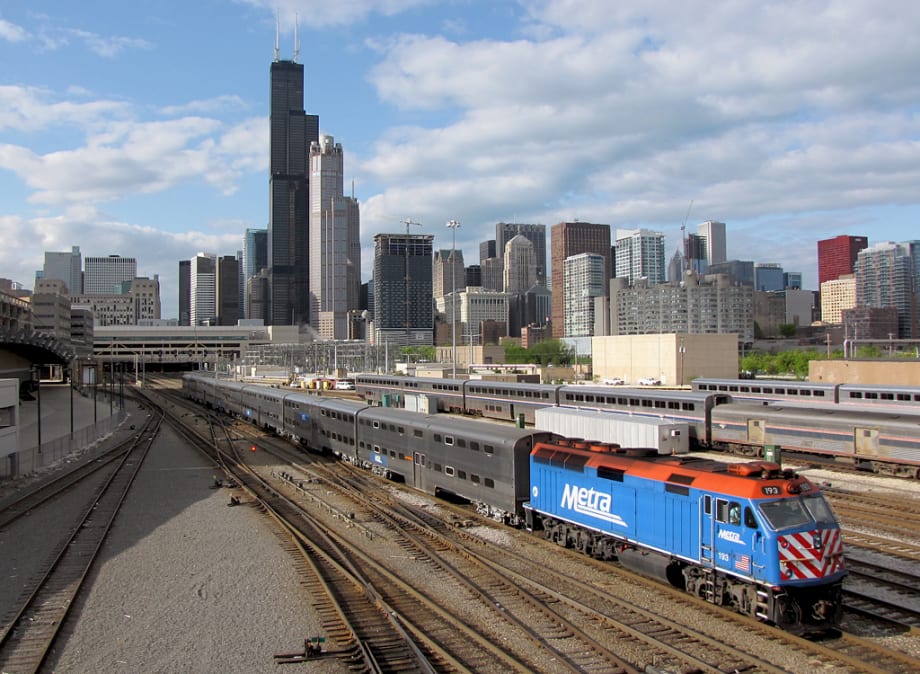
Chicago Metra’s board of directors formally called on Congress to extend the Dec. 31, 2015 deadline to install positive train control (PTC), agreeing with a staff analysis that in the current regulatory environment Metra will not be able to legally operate beyond that date.
Although Metra and the rest of the U.S. railroad industry have invested significant time and money and have made significant progress on PTC implementation, they have also warned for years that the deadline can’t be met due to a variety of operational, technological and financial challenges. Congress, however, has yet to act. In a resolution approved on Tuesday, the board again urged Congress to extend the deadline to a date that realistically accounts for the numerous challenges.
If Metra did choose to operate without PTC in place, it would be subject to potential FRA enforcement actions brought by the Department of Justice, including substantial civil penalties, issuance of compliance or emergency orders and injunctions or criminal penalties, according to an analysis by Metra’s Law Department. The analysis concluded that Metra will be unable to legally operate its trains beyond the deadline.
“This board will do all it can to avoid this crisis within the confines of the law as it exists today and continue to work with members of Congress on legislation that is needed to extend this unattainable deadline,” said Metra Board Chairman Martin J. Oberman. “In the meantime, on advice of counsel, Metra cannot operate any of its trains under current law as of midnight on Dec. 31, 2015.”
If Metra is unable to operate beyond December, it will work to ensure an orderly shutdown of its system and communicate with its customers with sufficient time for them to consider the effects of the shutdown, the resolution also states. Metra will also work with its transit partners in the Chicago area to provide alternative transportation but recognizes that feasible alternatives do not exist for the vast majority of Metra customers.
Metra’s current timeline for full PTC implementation is 2019, although the agency expects several lines to be completed before that date.
More Rail

New York MTA Advances Final Contract for Second Avenue Subway Expansion
Contract Four is the largest in the Second Avenue Subway Phase 2 project and includes construction of station infrastructure, tracks, and signals for the subway expansion, MTA officials said. Work on Contract Four will begin in 2027.
Read More →
San Diego MTS Breaks Monthly Trolley Ridership Record
Agency officials said July’s ridership indicates MTS’s continued recovery from the pandemic.
Read More →
Report Examines NJ TRANSIT Reliability, Funding Challenges
The Garden State Initiative analysis examines the roles of Amtrak infrastructure, fleet management, and agency operations while recommending a more performance-based approach to improving reliability.
Read More →
Stadler, CapMetro Sign Long-Term Rail Fleet Support Agreement
Beginning in 2027, Stadler will provide on-site technical expertise, spare parts support, training, and obsolescence management to help extend the reliability and longevity of CapMetro’s GTW fleet.
Read More →
Biz Briefs: Alstom Lands Canadian Contract, LYT to Supply California TSP, and More
In METRO's latest installment, we take a look at recent news from Complete Coach Works, Beep, FlixBus, and more partnerships making headlines across the transportation sector.
Read More →
CATS Gold Line Marks 5 Years of Service, 2.8M Passenger Trips
With a six-mile expansion planned, the Charlotte streetcar is positioned to connect more neighborhoods and major transit hubs across the region.
Read More →
Why Simulating Pedestrian Movement Has Become Essential for Modern Rail Stations
Pedestrian microsimulation is helping rail planners identify bottlenecks, test station designs, and prepare complex transit hubs for growing passenger volumes.
Read More →
Amtrak Begins Major Construction at New York’s Sunnyside Yard
The new maintenance facility will support Amtrak’s Airo trainsets while improving maintenance efficiency and turnaround times in New York.
Read More →
Chicago Leaders Unveil Plans for O’Hare Airport Express Train
The privately developed project would offer a 15-minute trip between downtown and O’Hare’s Terminal 2, with trains operating every 15 minutes on a dedicated track. The service would use battery-electric trains and three existing freight rail rights-of-way.
Read More →
OCTA Maps Out 30-Year Strategy to Protect Coastal Rail Corridor
The draft feasibility report identifies strategies to protect the coastal rail line for decades as the agency continues near-term stabilization and sand placement efforts.
Read More →