



Metra's proposed 2020 budget includes $480M in capital spending
Funding will make major investments in locomotives and railcars, stations, bridges, and yards.

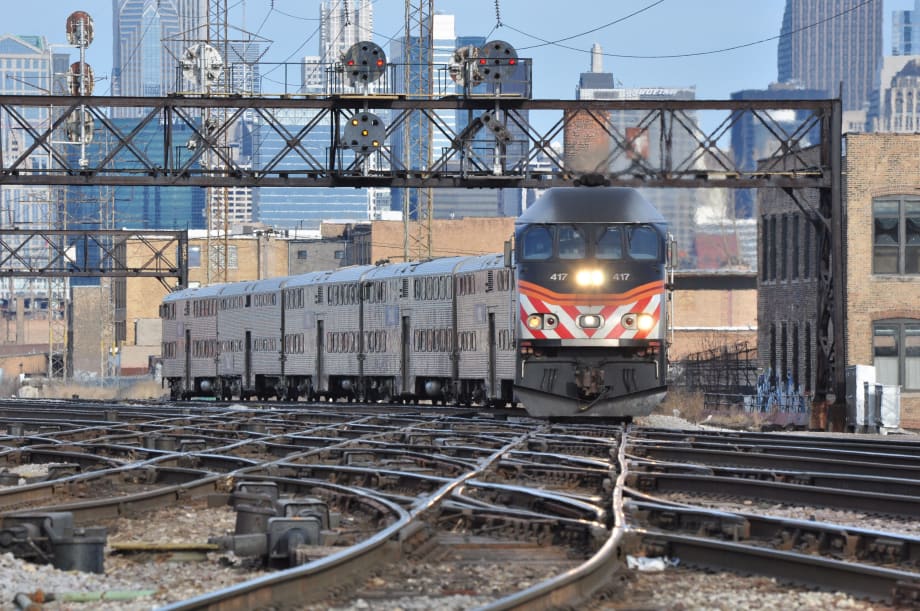
The capital budget was significantly bolstered by the new state capital program, which over the next five years is expected to deliver nearly $1.45 billion to Metra.
Metra
The capital budget was significantly bolstered by the new state capital program, which over the next five years is expected to deliver nearly $1.45 billion to Metra.
Metra
Chicago’s Metra unveiled a proposed $827.4 million operating budget that keeps expenses in check, does not require a fare increase, and outlines $480.5 million in proposed capital spending, including major investments in locomotives and railcars, stations, bridges, and yards.
The capital budget was significantly bolstered by the new state capital program, which over the next five years is expected to deliver nearly $1.45 billion to Metra. When combined with $961.8 million in expected federal formula funding, $146 million from the RTA, $26 million in fare revenue, and $4 million from other sources, Metra will have nearly $2.6 billion to invest in its system over the next five years — an unprecedented amount.
In 2020, Metra expects $205.2 million in state bond funds and $73.7 million in what has been labeled state “pay-as-you-go” or “Paygo” funding — an annual allotment of funding tied to the state gas tax that will grow with inflation. Funding from federal and local sources provide additional capital funding in 2020, bringing the total to $480.5 million.
The budget proposes to allocate $331.1 million, or about two-thirds, of the 2020 capital funds to five major areas:
New railcars and new locomotives, $138.8 million. Metra currently has a request for proposals pending for as many as 400 new cars, and it has asked manufacturers to propose new designs that maximize capacity and add customer amenities. It also is buying some new remanufactured locomotives and has set aside some money to buy a prototype alternative fuel locomotive.
Locomotive and car rehabilitation, $95.3 million. Metra will continue its innovative and cost-efficient locomotive and car rehab programs. It also will fund new programs to overhaul 21 recently purchased Amtrak locomotives and upgrade 54 locomotives with more reliable AC traction motors.
Stations and parking, $51.2 million. Metra is undertaking major efforts to upgrade its stations, with an emphasis on improving ADA accessibility and ensuring that every station has a warming shelter. Major station projects included in the 2020 program include a new Auburn Park Station on the Rock Island Line and major upgrades to the 147th Street Station on the Metra Electric Line and Hubbard Woods on the Up North Line.
Yard rehabilitation, $23.2 million. Major projects are funded to expand the Western Avenue Yard that services trains on the Milwaukee District lines, the North Central Service and Heritage Corridor, and the California Avenue Yard that services trains on the UP lines. A lack of yard space is a factor limiting Metra’s ability to add service.
Bridges, $22.6 million. Metra has nearly 500 bridges that are more than a century old. Funding will be used to design and construct the replacement of several bridges, including the next phase of the UP North bridge project involving the design for the replacement of bridges over 11 streets between Fullerton and Addison in Chicago.
Operating budget
As it does every year, Metra searched for ways to control or reduce its operating costs to head off the need for a fare increase. This year it identified nearly $6 million in efficiencies. In addition, it expects to save about $7 million by not filling vacancies and about $5 million by reducing overtime and other miscellaneous expenses.
Those $18 million in reductions will help offset an expected $23 million increase in operating expenses next year, including about $7 million in new operating expenses associated with Positive Train Control, and about $16 million in labor and various other operating expenses.
Metra expects its overall operating budget to increase by $5 million next year, from $822 million in 2019 to $827 million in 2020, a gain of 0.6%. Higher revenues from the regional transportation sales tax, which funds about half of Metra’s operating budget, will cover that $5 million and no fare increase will be needed.
More Rail
FTA Advances $164M Broward County Commuter Rail Project
The proposed 10.5-mile commuter rail extension would connect Fort Lauderdale and Aventura, expanding passenger rail options in South Florida.
Read More →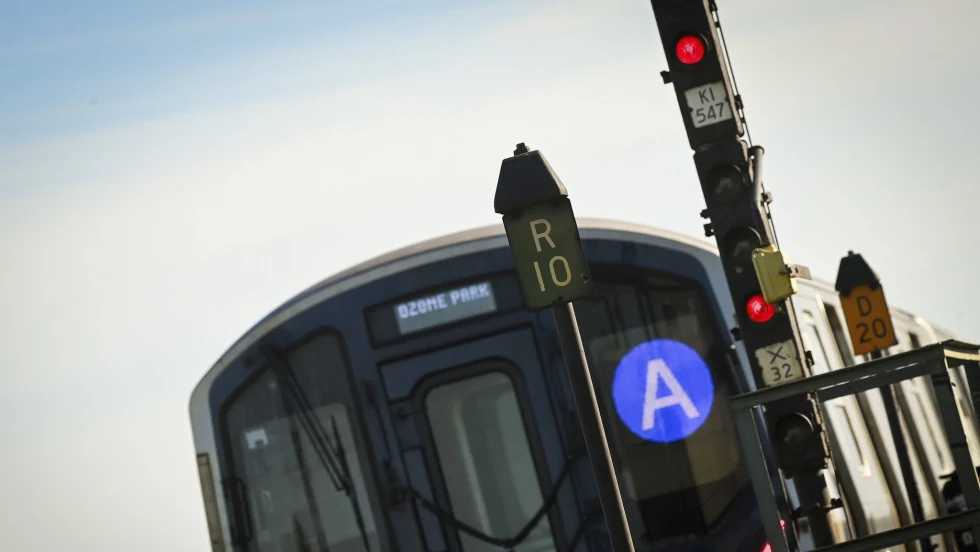
New York MTA Launches Historic $1.9B Signal, Track Modernization Project
Funded in part by congestion pricing revenue, the project will replace nearly century-old signals along the A and C lines in Brooklyn and Queens.
Read More →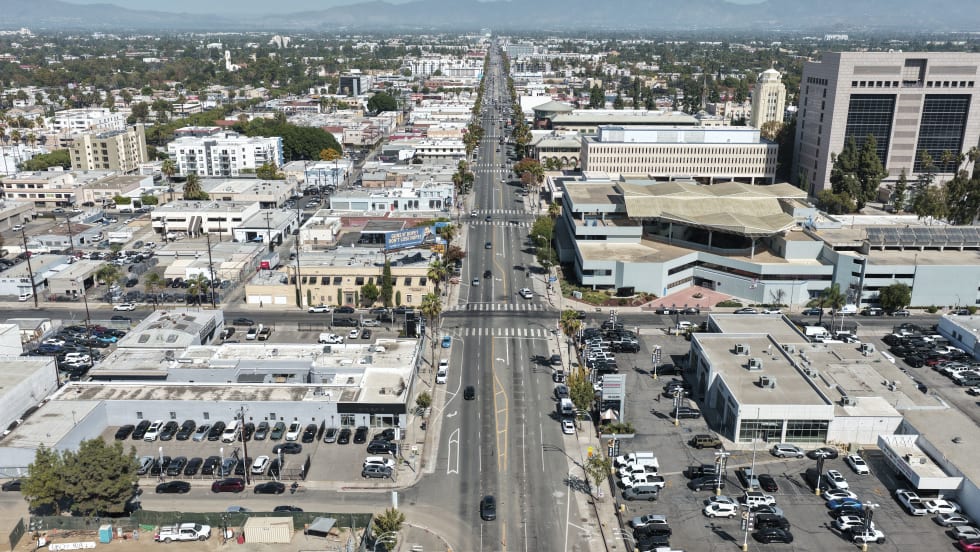
LA Metro Breaks Ground on East San Fernando Valley Light Rail Project
The 6.7-mile line will add 11 stations along Van Nuys Boulevard, expand access to jobs and regional transit connections, and support Metro’s broader efforts to improve mobility as rail ridership grows.
Read More →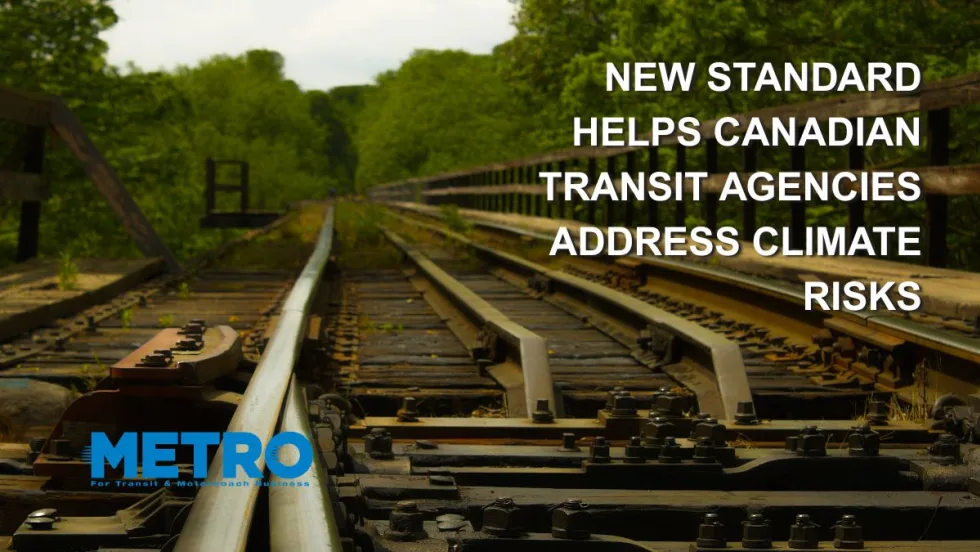
CSA Group Releases Climate Resilience Standard for Transit, Passenger Rail
Developed with support from the Standards Council of Canada, CSA D700 guides assessing climate-related risks and planning adaptation measures for transit and passenger rail systems.
Read More →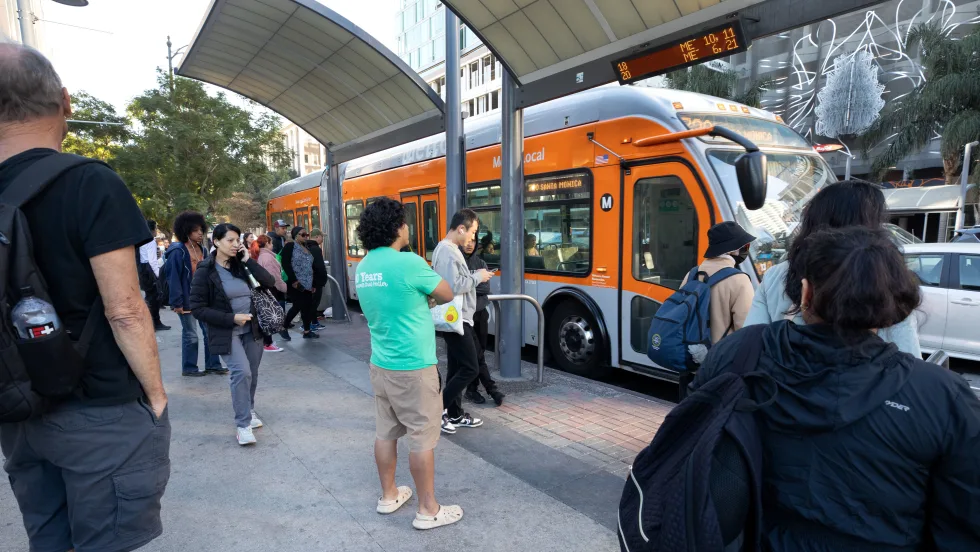
LA Metro September Ridership Climbs 3.9%, Led by Rail Growth
The agency recorded more than 27.2 million boardings, with rail ridership increasing 12.4% year over year and the D Line posting the largest gains.
Read More →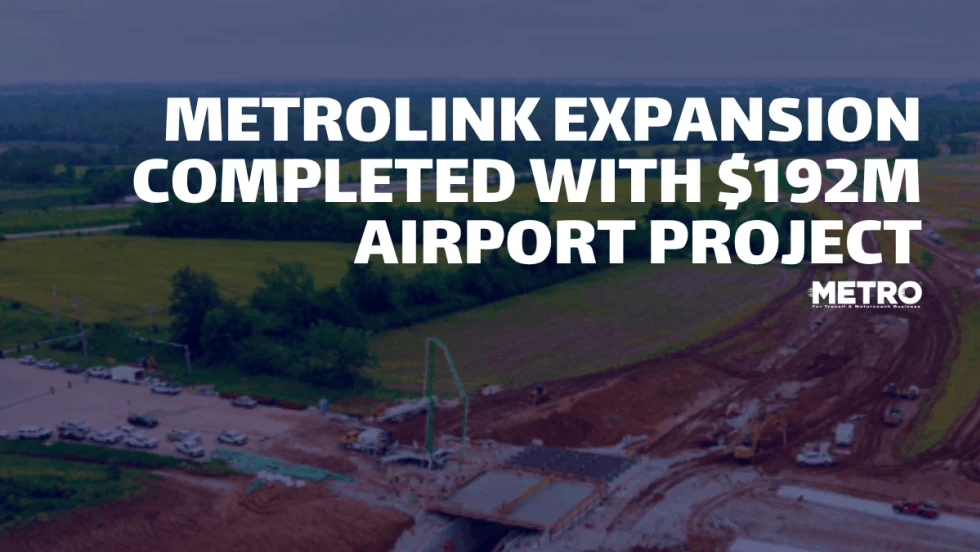
First Full MetroLink Rail Expansion Completed in 20 Years with $192M Airport Project
The project links two St. Louis-area airports by light rail while adding roadway and bike trail connections to improve regional access and mobility.
Read More →
Utilimarc Launches SmartReplace to Optimize Fleet Replacement Decisions
AI-powered SmartReplace helps fleets prioritize vehicle replacements, model budget scenarios, and build more defensible long-term strategies.
Read More →
Scenes from APTA TRANSform & EXPO 2026
Transit leaders, manufacturers, and industry professionals gathered in Chicago to explore new technologies, share ideas, and discuss the future of public transportation.
Read More →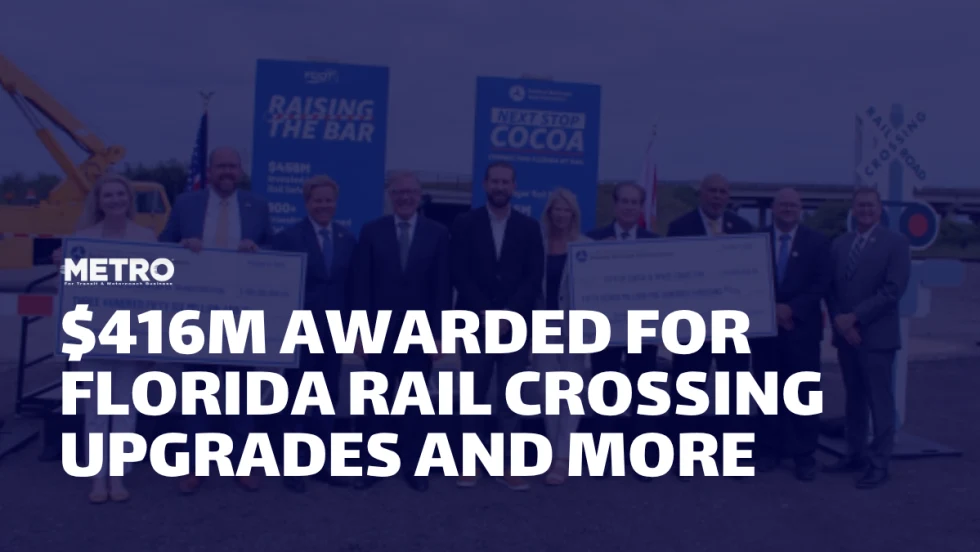
USDOT Awards $416 Million for Florida Rail Crossing Safety Upgrades, New Brightline Station
The projects aim to reduce risks for motorists and pedestrians at rail crossings while expanding passenger rail access along Florida’s Space Coast.
Read More →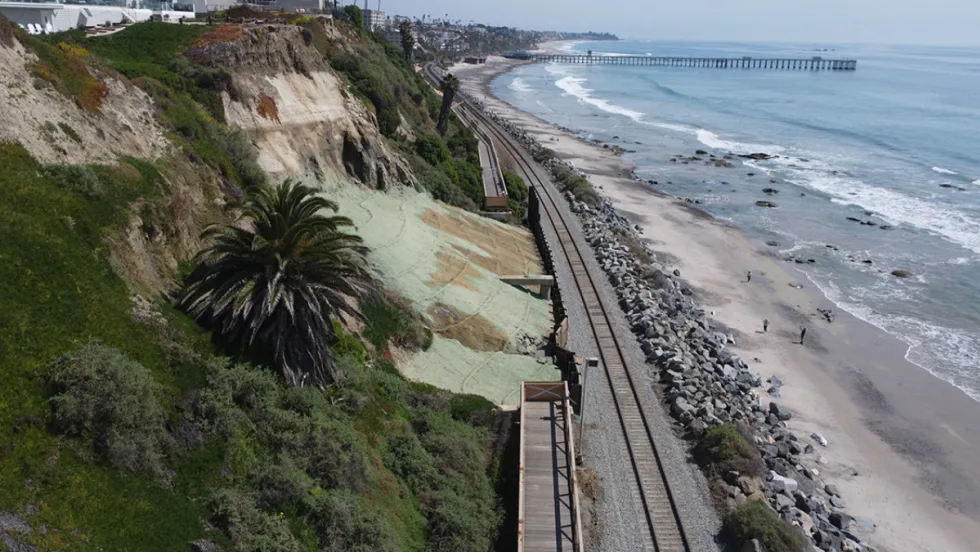
OCTA Declares Emergency to Protect Rail Corridor From Coastal Erosion
The California agency is accelerating shoreline protection and plans to place approximately 690,000 cubic yards of sand along the San Clemente coast to protect a key passenger and freight rail link.
Read More →