



New Metra railcar RFP allows for alternative designs
Proposals will be due in August and Metra hopes to finalize a deal by the end of the year for at least 200 new cars.



Chicago’s Metra issued a request for proposals (RFP) for at least 200 new railcars, and it is allowing manufacturers to propose alternative car designs that may address Metra’s needs better than the bi-level gallery cars that have been used in Chicago for nearly 70 years.
Proposals will be due in August and Metra hopes to finalize a deal by the end of the year. The order will be for at least 200 new cars, with options to buy up to 200 more if funding is available.
One important consideration will be to increase seating capacity. Since yard space and platform length currently limit the number and length of trains that can operate, increasing the seating capacity is a relatively fast and efficient way to meet increased ridership demand within the agency’s physical confines.
In addition, Metra officials said the interior design of the seats, aisles, stairwells, and doors must create the most efficient passenger flow possible. The seats must have arm rests and cup holders, and manufacturers have the option of proposing features such as USB ports, foot rests and tray tables with the seats. Heated floors also can be proposed as an option.
The new cars also must include bike racks for two to five bikes, a camera/DVR system for the passenger area, and LED lighting. Onboard Wi-Fi may be proposed as an option; but if the proposal does not include Wi-Fi, there must be provisions for it to be added later.
Some alternative car designs now available have lower, platform-level boarding that could benefit ADA customers and families with strollers when boarding and detraining. Others have different side-loading door configurations that could potentially decrease the time it takes passengers to board and exit the train, which could also speed train trips.
More Rail
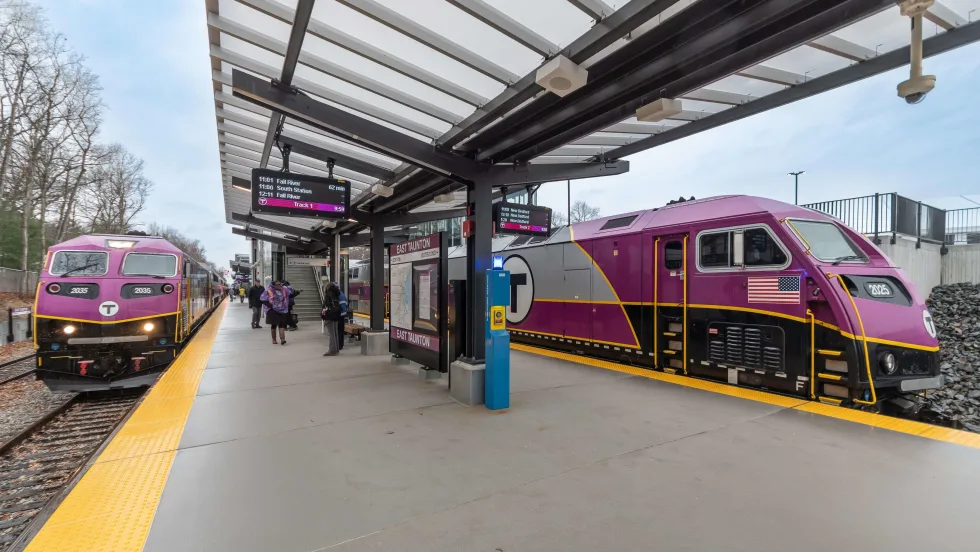
FTA Ends Direct Oversight of MBTA Safety Actions
The federal agency closed its remaining special directive to the Massachusetts Department of Public Utilities following a safety review that began in 2022.
Read More →
Amtrak, CN Reach Agreements to Strengthen Passenger Rail Service, Safety
The agreement resolves a more than decade-long proceeding before the Surface Transportation Board concerning the terms and conditions for Amtrak services, such as the City of New Orleans, Illini/Saluki, and Wolverine.
Read More →
New York MTA Advances Final Contract for Second Avenue Subway Expansion
Contract Four is the largest in the Second Avenue Subway Phase 2 project and includes construction of station infrastructure, tracks, and signals for the subway expansion, MTA officials said. Work on Contract Four will begin in 2027.
Read More →
San Diego MTS Breaks Monthly Trolley Ridership Record
Agency officials said July’s ridership indicates MTS’s continued recovery from the pandemic.
Read More →
Report Examines NJ TRANSIT Reliability, Funding Challenges
The Garden State Initiative analysis examines the roles of Amtrak infrastructure, fleet management, and agency operations while recommending a more performance-based approach to improving reliability.
Read More →
Stadler, CapMetro Sign Long-Term Rail Fleet Support Agreement
Beginning in 2027, Stadler will provide on-site technical expertise, spare parts support, training, and obsolescence management to help extend the reliability and longevity of CapMetro’s GTW fleet.
Read More →
Biz Briefs: Alstom Lands Canadian Contract, LYT to Supply California TSP, and More
In METRO's latest installment, we take a look at recent news from Complete Coach Works, Beep, FlixBus, and more partnerships making headlines across the transportation sector.
Read More →
CATS Gold Line Marks 5 Years of Service, 2.8M Passenger Trips
With a six-mile expansion planned, the Charlotte streetcar is positioned to connect more neighborhoods and major transit hubs across the region.
Read More →
Why Simulating Pedestrian Movement Has Become Essential for Modern Rail Stations
Pedestrian microsimulation is helping rail planners identify bottlenecks, test station designs, and prepare complex transit hubs for growing passenger volumes.
Read More →
Amtrak Begins Major Construction at New York’s Sunnyside Yard
The new maintenance facility will support Amtrak’s Airo trainsets while improving maintenance efficiency and turnaround times in New York.
Read More →