



Mineta Institute unveils new report on terrorism on transit
As witnessed in several separate incidents, some terrorists have adopted vehicle ramming as an attack method

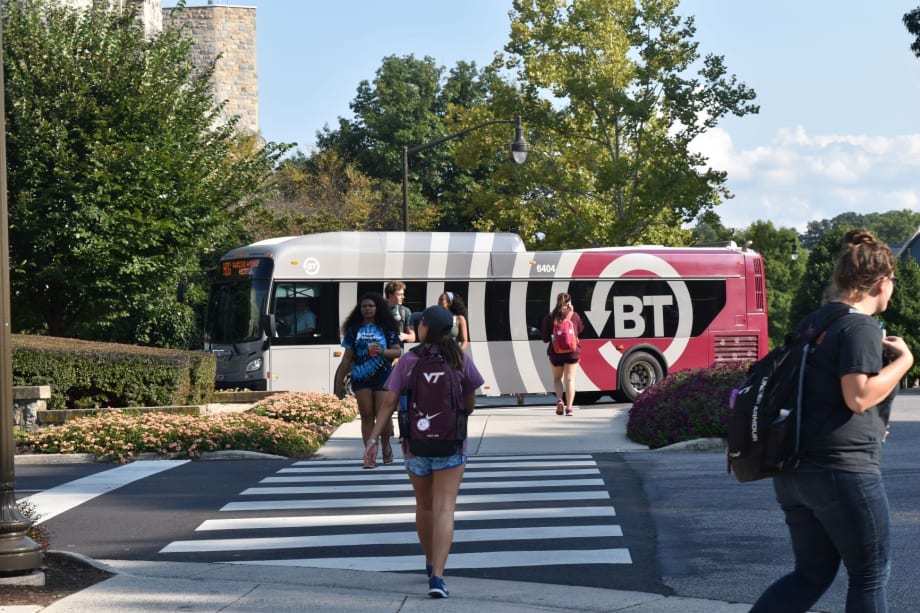
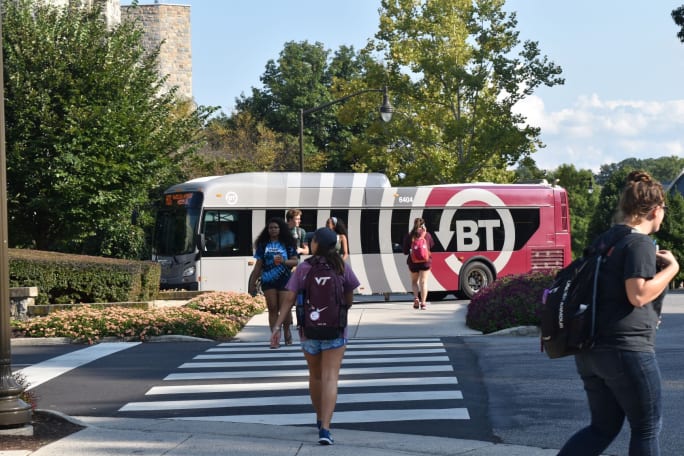
MTI Senior Transportation Security Scientist, Daniel Goodrich, encourages “a constant inventory of terrorist strategies and tactics and the counterterrorism steps used successfully against them.” Blacksburg Transit
Although still relatively rare, ground transportation terrorism has been a threat both domestically and abroad. As witnessed in several separate incidents, some terrorists have adopted vehicle ramming as an attack method; likely because it can be carried out by an individual with little to no specialized training.
Having previously analyzed the popularity of this terror method, the Mineta Transportation Institute (MTI) conducted research to identify best practices to mitigate and respond to terrorist tactics against transportation assets, with an emphasis on vehicle ramming attacks in the report “Transportation, Terrorism, and Crime: Deterrence, Disruption, and Resilience.”
In a previous MTI report, researchers traced the rising trend in such terrorist attacks across several countries. These findings, combined with the current study, help law enforcement agencies prepare their communities, create mitigation measures, conduct effective surveillance, and respond quickly to attacks.
Through extensive literature review, field research in places where terrorist attacks and other emergencies have occurred, and interviews with first responders and witnesses, report authors Dr. Frances Edwards and Daniel Goodrich identified the following:
A vehicles’ ability to be turned into a self-destructive weapon makes it appealing to attackers.
Vehicles are easy to acquire and use with ample targets at the ready in pedestrian-heavy streets or crowds.
Detailed documentation on previous responses to terrorist activity are needed for law enforcement personnel to become more adept at responding to a variety of attacks.
Law enforcement’s disruption of previous terrorist methods using infiltration and monitoring tactics led to attackers opting for minimally manned attacks, like the “lone wolf” method used for vehicle ramming.
MTI Senior Transportation Security Scientist, Daniel Goodrich, encourages “a constant inventory of terrorist strategies and tactics and the counterterrorism steps used successfully against them.” He goes on to encourage “a historical documentation and periodic trend analysis to determine best practices against evolving or re-emerging terrorist threats.”
More Security and Safety

Transit Agencies Highlight Safety Gains at National Summit
Leaders from 15 major transit systems shared crime-reduction results and safety initiatives while discussing the role of continued federal support.
Read More →
DART Launches Major Security, Fare Enforcement Initiative
The 90-day demonstration will deploy coordinated security teams at five light rail stations while testing controlled access and gathering data to guide future investments.
Read More →
RTD Launches NextRide App to Consolidate Trip Planning, Fares, Security Reporting
The app expands on RTD’s existing NextRide web application and allows customers to view real-time vehicle locations and service alerts, purchase and store digital fares, and access customer support.
Read More →
TAPTCO Updates OSHA Compliance Training for Transit Maintenance Operations
The revamped program addresses 26 OSHA standards for maintenance facilities, with TAPTCO pointing to training, documentation, and everyday shop hazards as continuing challenges for transit operations.
Read More →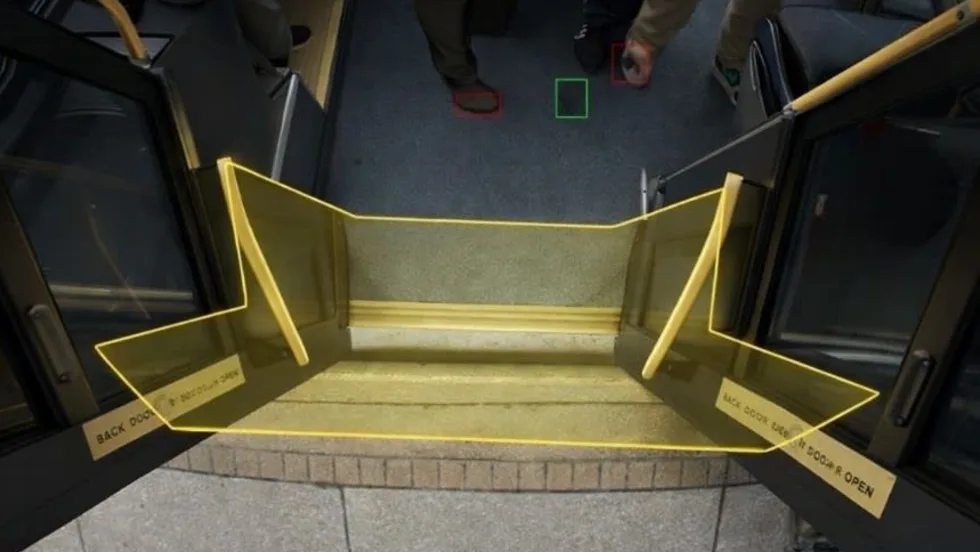
How VaporVision Adds Value to Transit Door Systems
Wabtec engineers explain how the system improves doorway detection, strengthens diagnostics and gives transit agencies and OEMs greater operating flexibility.
Read More →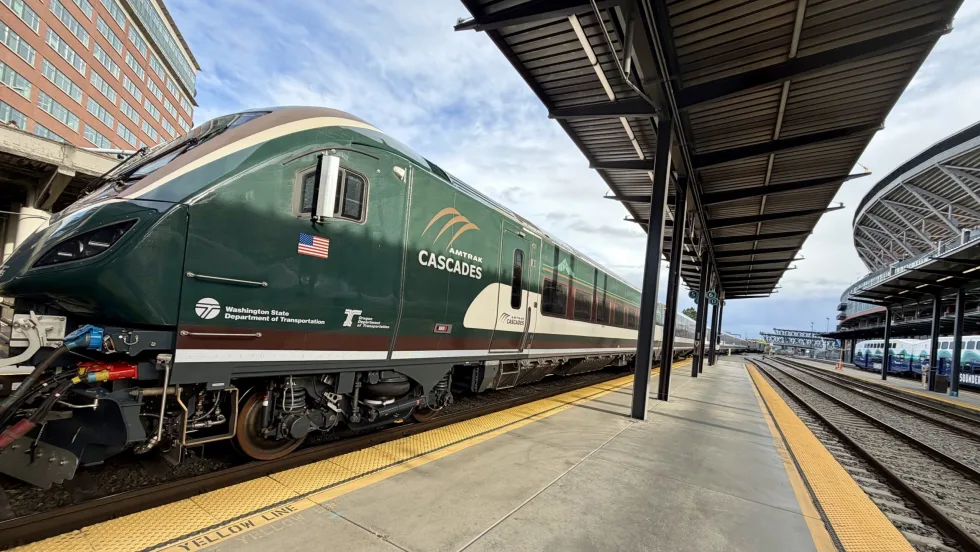
FRA Announces $5.3B in Rail Investments, Including $2B for Amtrak
Funding will support grade-crossing improvements, infrastructure upgrades, and new Amtrak equipment in 23 states.
Read More →
Chicago, Maryland Expand Non-Law-Enforcement Safety, Rider Support
The CTA and MTA are launching new programs aimed at de-escalation, crisis response, rider assistance, and greater transparency.
Read More →
LA Metro, City of West Hollywood, and Partners Advance Smarter Bus Lane Enforcement
The award-winning partnership combines AI-powered detection with human oversight to improve bus reliability, accessibility, and enforcement efficiency.
Read More →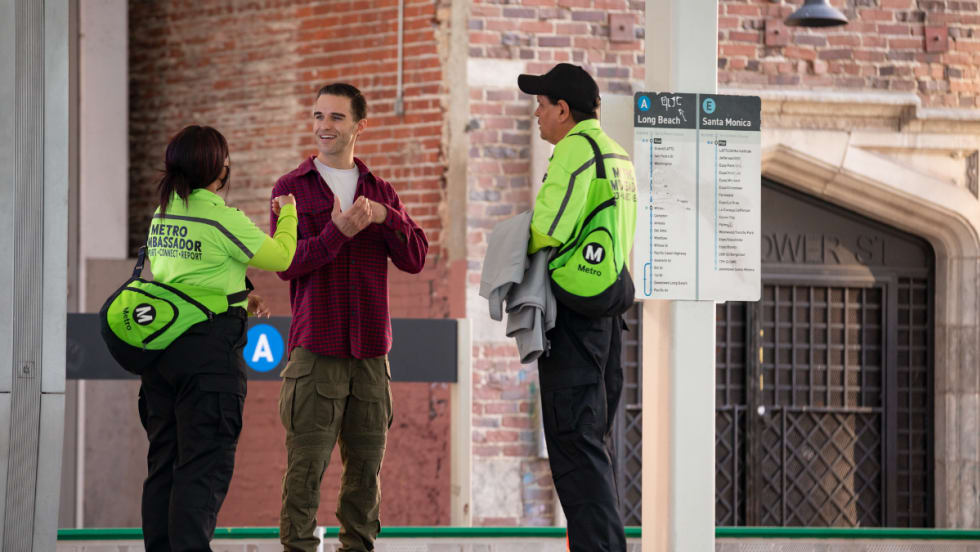
LA Metro Reports 57% Decline in Homelessness on Transit System Since 2024
The agency's latest homelessness count offers new data on how care-based services and cross-sector partnerships can complement traditional transit security strategies.
Read More →
FTA Launches 'Transit Moves America' Dashboard to Highlight Agency Safety and Performance
The online dashboard transforms National Transit Database information into a public-facing resource that allows users to compare transit agencies on key operational and safety metrics.
Read More →