



Minn. Metro Transit launches Commuter Challenge
Residents can participate in the program by pledging to replace drive-alone trips and instead take the bus or train, bicycle, carpool, walk, telework or vanpool.

Minneapolis’ Metro Transit and the region’s Transportation Management Organizations (TMOs) launched the Commuter Challenge, an annual campaign that encourages Twin Cities residents to drive alone less often and try smart commute options.
Residents can participate in the Commuter Challenge by pledging to replace drive-alone trips and instead take the bus or train, bicycle, carpool, walk, telework or vanpool. Those who sign up for the Commuter Challenge are entered into prize drawings, which are announced after the campaign ends.
“The Commuter Challenge is an easy way for commuters to take the first step in changing how they get around — even if it’s just a day or two each week,” said Metro Transit GM Brian Lamb.
Commuter Challenge participants can see how their commuting habits save money and reduce their carbon footprint. By using an online trip tracker, commuters can watch what they’re saving in gas, carbon dioxide, calories and miles. Commuters who track their trips at least once a month are eligible to win a gift card.
Last year, participants logged nearly 132,000 trips and 2.3 million miles using transit, bicycling, walking or sharing the ride in a carpool or vanpool.
The Commuter Challenge is sponsored by Metro Transit and the region’s TMOs: Anoka County TMO Commute Solutions, downtown Minneapolis Commuter Connection, St. Paul Smart Trips and Commuter Services, which serves the I-494 corridor and the southwest metro. TMOs work with employers and commuters to explore transportation options that reduce traffic congestion.
More Technology

ETA CEO John Maglio on Transit Technology, Innovation, and Building Agency Trust
ETA founder and CEO John Maglio explores the evolution of transit technology, the importance of reliable systems, and how stronger partnerships can help agencies improve operations and the passenger experience.
Read More →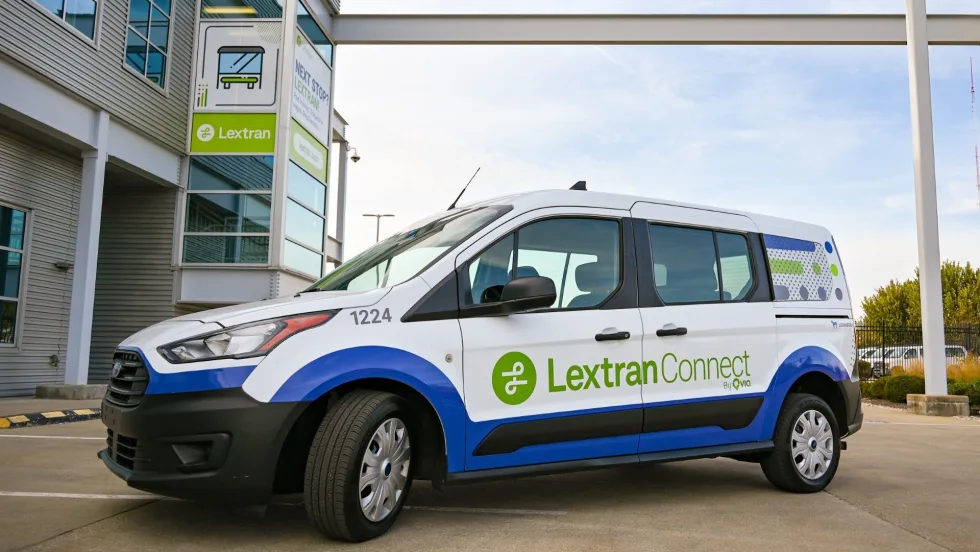
Lextran, Via Team for On Demand, HDR to Work on Twin Cities BRT, and More
In METRO's latest installment, we also take a look at recent news from Keolis, Complete Coach Works, Anchor Transportation, and more partnerships making headlines across the transportation sector.
Read More →
Caltrain’s Electrification Drives a New Era of Ridership Growth
The railroad’s shift to electric service has brought more frequent trains, stronger customer satisfaction, and increased ridership, earning it APTA’s Outstanding Public Transportation System award.
Read More →
Video Surveillance in Public Transit: What Riders Really Think
As video surveillance gains public acceptance, new research from Axis Communications reveals what transit riders expect from agencies when it comes to safety, privacy, and AI.
Read More →
New York MTA Launches Historic $1.9B Signal, Track Modernization Project
Funded in part by congestion pricing revenue, the project will replace nearly century-old signals along the A and C lines in Brooklyn and Queens.
Read More →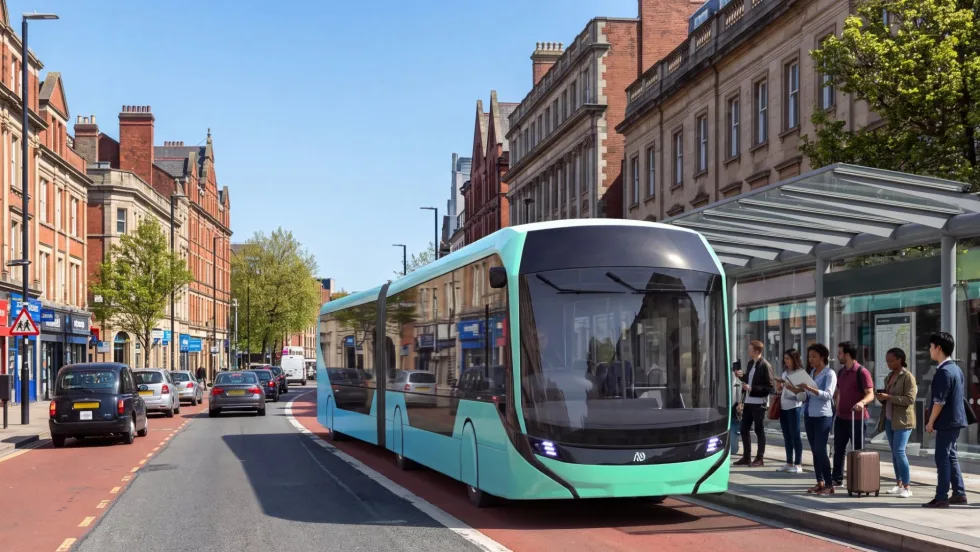
Biz Briefs: New Electric Offering from Alexander Dennis/Volvo, Transdev in Boston, and More
In METRO's latest installment, we also take a look at recent news from STV, WSP, Prevost, and more partnerships making headlines across the transportation sector.
Read More →
Roman Cornell on ABC Companies’ Evolution and the Future of Passenger Transportation
The company’s CEO discusses carrying forward a third-generation family legacy, ABC’s continued evolution in passenger transportation, support for increasingly complex fleets, and how technology and continued investment could help operators improve uptime.
Read More →
ETA CEO John Maglio on Transit Technology, Innovation, and Building Agency Trust
ETA founder and CEO John Maglio explores the evolution of transit technology, the importance of reliable systems, and how stronger partnerships can help agencies improve operations and the passenger experience.
Read More →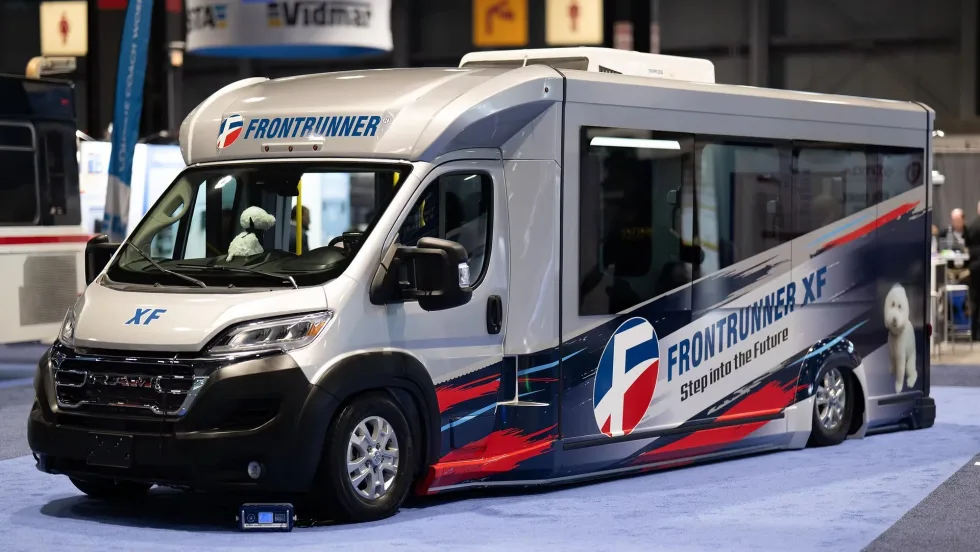
Frontrunner Bus Group Introduces XF Low-Floor Bus with Enhanced Accessibility
The new mid-sized bus features a full flat-floor design, eight-inch curbside step-in height, and zero-entry rear ramp to improve passenger access and operational flexibility.
Read More →
Building a Flexible Path to Transit Electrification with BAE's John Hroncich
John Hroncich discusses BAE Systems’ modular and scalable approach, lessons learned from decades of real-world operations, and how agencies can identify electrification strategies that fit their fleets.
Read More →