



MTA restores historic Bronx subway station
The two-year, $66.5 million project breathed new life into the unique subway station that serves the 2 and 5 lines a link to two major Bronx attractions — the Bronx Zoo and the New York Botanical Gardens.

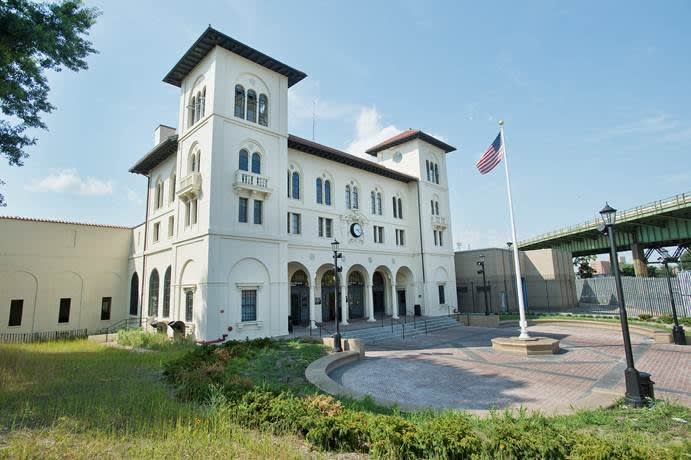
MTA photo - Patrick Cashin

The New York Metropolitan Transportation Authority (MTA) rededicated its East 180th Street subway station on March 15th after a major restoration of the century-old North Bronx transit terminal.
The two-year, $66.5 million project breathed new life into the unique subway station that serves the 2 and 5 lines a link to two major Bronx attractions — the Bronx Zoo and the New York Botanical Gardens. Designed and built during a period when riding the rails was a grand experience rather than bookends to a work day, the structure is an example of early 20th Century architectural design that has long stood as a community landmark.
The stucco, red terra cotta-tiled roof building boasts a pair of four-story towers, entry courtyard and a clock, which replicates the original timepiece in place when the structure was built. The building was designed with arches and balconies that give it the distinct look of an Italian villa.
“The subject of this project serves to demonstrate the architectural variety of the New York City subway system and the care and effort that goes into maintaining the system and restoring elements to their original appearance,” said NYC Transit President Thomas F. Prendergast. “The East 180th Street Station was built to a grand design by its original operator and we have taken the opportunity to return it to as close to its original condition as possible.”
Work on the station required restoration of the landmark building’s exterior walls, windows, stucco work, roof tiles wood doors and mezzanine areas. Of course, this type of work required skilled craftspeople. There are two retail spaces in the station’s lobby, as well as NYC Transit employee facilities for Rapid Transit Operations, Signals and Structures.
The elevated subway platforms have similarly been rehabilitated, including new platforms, edge safety tiles, canopies and track beds. ADA compliance is achieved through a new pathway that allows wheelchair access and the installation of two elevators that link the mezzanine to the platforms.
New tile work and ornamental mosaic bands and panels have been installed. Designed by artist Luisa Caldwell under the MTA Arts for Transit program, the panels reflect the surrounding area and the nearby Bronx Zoo and New York Botanical Gardens.
The northern segment of the 5 train, known as the Dyre Avenue Line of the New York City subway system, was once part of an electrified commuter railway connecting the South Bronx with White Plains and Port Chester in Westchester County.
Owned by the New Haven Railroad, the New York Westchester and Boston Railway were short-lived, in service only between 1912 and 1937. New York City took ownership of the Bronx portion of the line in 1940 and tied into the IRT at East 180th Street.
RELATED ARTICLE: Check out, "Transit Art Optimizes Form and Function."


More Rail
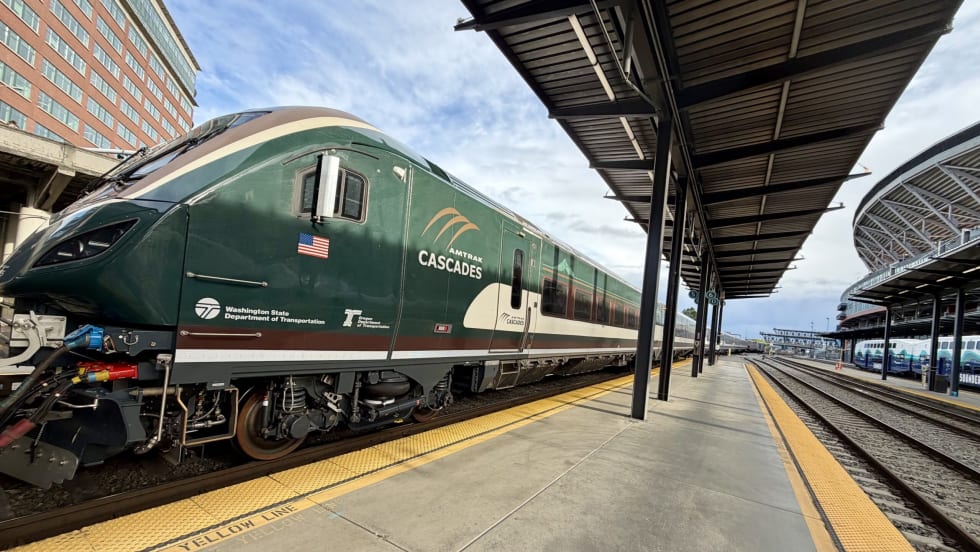
FRA Announces $5.3B in Rail Investments, Including $2B for Amtrak
Funding will support grade-crossing improvements, infrastructure upgrades, and new Amtrak equipment in 23 states.
Read More →
Finding the ‘Happy Medium’: Optimizing Maintenance Without Sacrificing Reliability
The key to maintenance optimization isn’t doing less work—it’s doing the right work at the right time on the right assets.
Read More →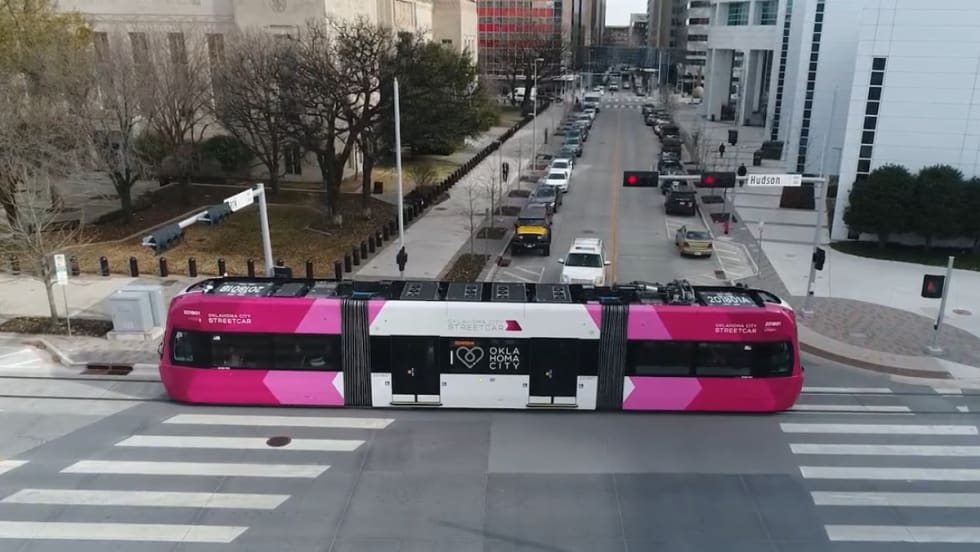
OKC Streetcar Makes Zero-Fare Service Permanent
Ridership increased an average of 71% compared with the same period a year earlier during the fare-free pilot.
Read More →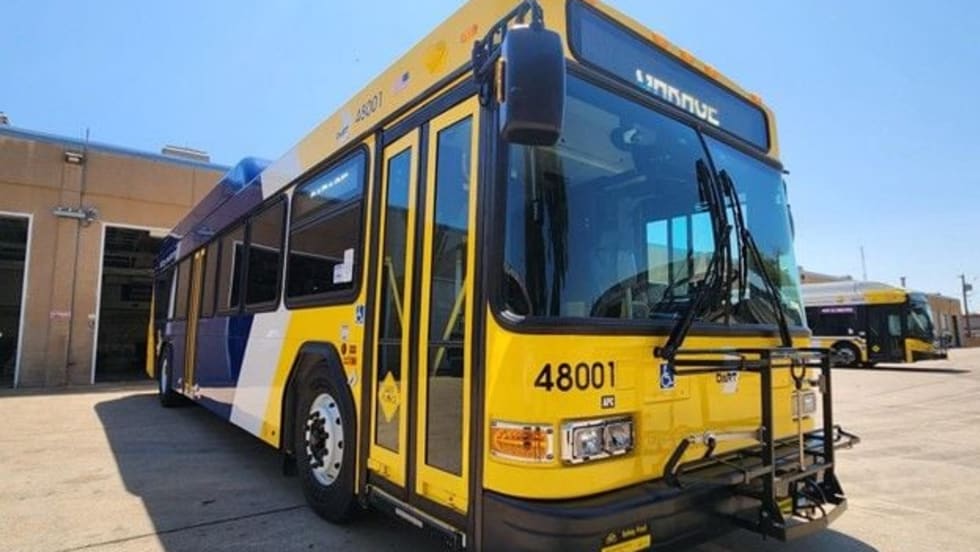
DART Customer Satisfaction Reaches Six-Year High
Overall satisfaction rose to 74.9%, while the agency’s Net Promoter Score reached a record 33.7.
Read More →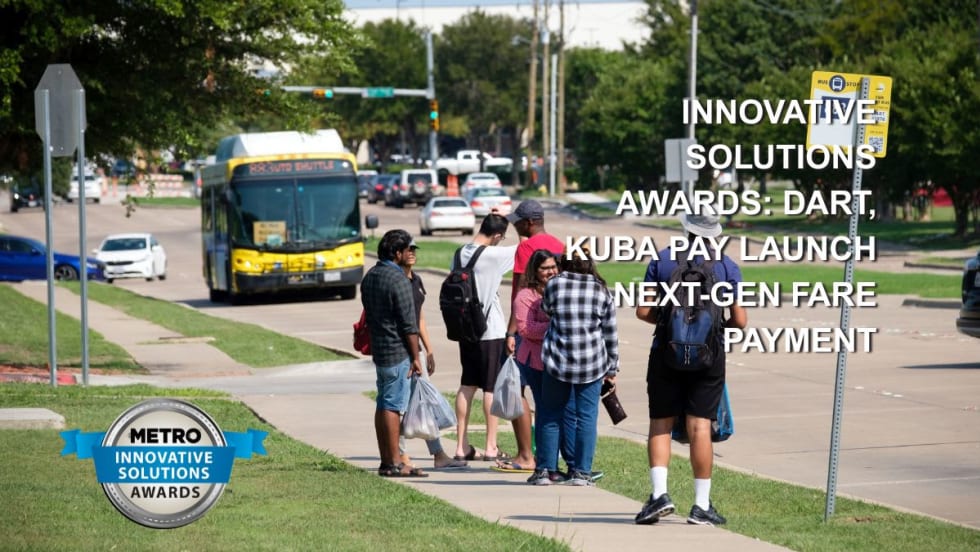
How DART's GoPass Is Redefining Regional Mobility
Serving 14 transit agencies, GoPass simplifies multimodal travel by allowing riders to plan, pay for, and manage an entire trip through one app.
Read More →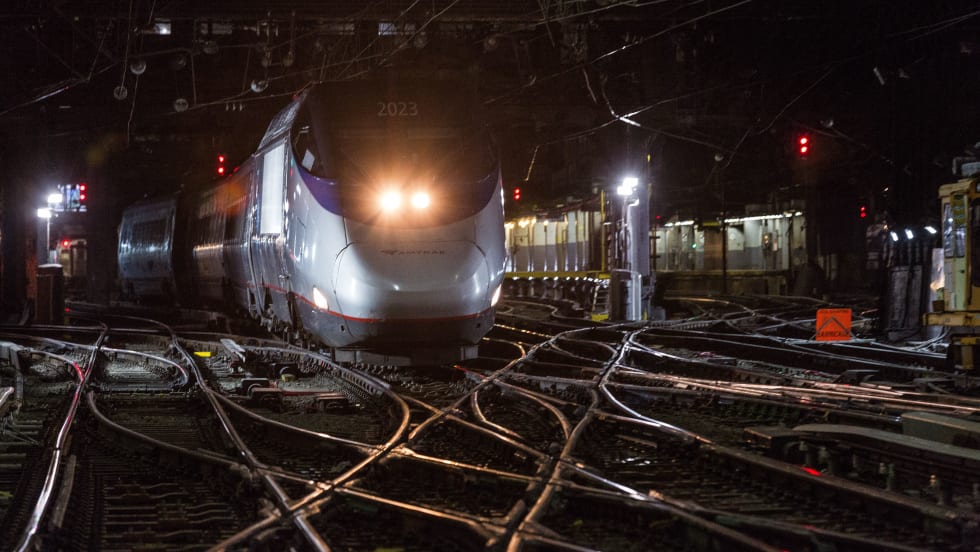
Amtrak Board Advances Plan to Restructure Organization, Seeks Public Input
The proposal, developed by Amtrak management and approved by the board for further consideration, is intended to modernize the organization's structure while improving accountability, operational efficiency, and customer service.
Read More →
Biz Briefs: STV teams with Amtrak, Motorcoach Operators Boost Fleet and Land Contracts, and More
From manufacturers and suppliers to transit agencies and motorcoach operators, these updates offer a snapshot of the projects, partnerships and business moves driving the industry forward.
Read More →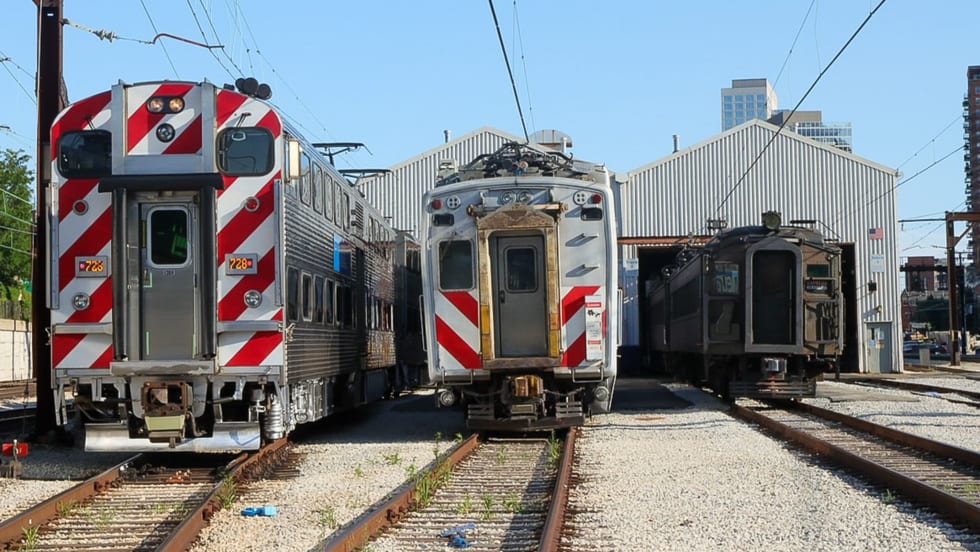
Metra Celebrates 100 Years of Electric Rail, Looks to the Future
The event was also a celebration of recent reforms to public transportation in the Chicago area, changes that could be as transformative in the future as the major civic achievement a century ago, said officials.
Read More →
LA Metro Marks Banner Year, Sets Ambitious Goals for New Fiscal Year
Incoming LA Metro Board Chair and Los Angeles Mayor Karen Bass joined outgoing Board Chair Fernando Dutra and LA Metro CEO Stephanie Wiggins to review accomplishments from fiscal year 2026, which included the opening of new rail extensions, advancement of major transit projects, expanded safety programs, and new rider amenities.
Read More →
DART Taps Nathaniel P. Ford Sr. as Next President/CEO
Since 2012, Ford has served as the CEO of the Jacksonville Transportation Authority
Read More →