




Planning Ahead: MTA Announces Initial Actions for Micromobility Plan
MTA, SMART Union Recognize Implementation of First Transit Ban
The ban was made possible through a New York State Law that allows for those committing crimes against transit workers or sex offenses in public transportation to be banned for up to three years.
November 18, 2022
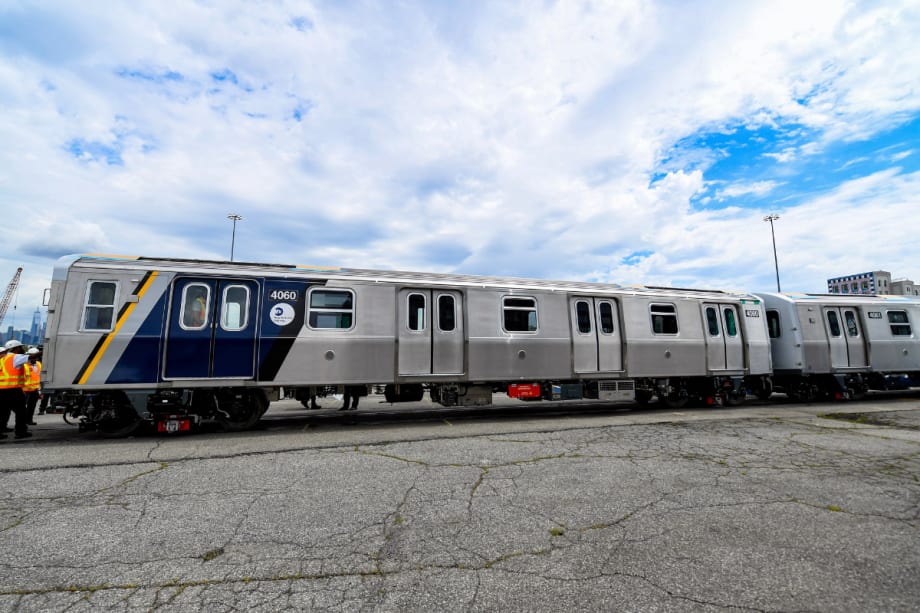
The MTA and SMART LIRR union have been collaborating on ways to make travel on the railroad as safe as possible for customers and the LIRR’s workforce.
Photo: MTA
2 min to read
Metropolitan Transportation Authority (MTA) and SMART (Sheet Metal Air Rail Transportation) Transportation Division leaders recognized Suffolk County’s implementation of the first transit ban in the history of the MTA, according to the agency's news release.
Defendant Michael Harewood pleaded guilty in Suffolk County Supreme Court to sex abuse in the third degree, and as a condition of the sentence, the defendant agreed to a ban from using the Long Island Rail Road (LIRR) for two years.
The ban was made possible through a New York State Law that allows for those committing crimes against transit workers or sex offenses in public transportation to be banned for up to three years.
"This case demonstrates the urgency of our call for the justice system to pursue bans for those criminals who seek to target transit workers or customers,” said Janno Lieber, MTA chair/CEO. “We must do everything in our power to keep riders and workers safe, and by banning this criminal from the system, the Court has done just that. He’s a bad actor who was clearly using the railroad, not for transportation but to commit crimes; that won’t happen for the next two years with this individual.”
The MTA and SMART LIRR union have been collaborating on ways to make travel on the railroad as safe as possible for customers and the LIRR’s workforce, according to MTA. The partnership has focused on harnessing the state’s penal code to maximum effect, by expanding the scope of those who are eligible to be banned from the transit system.
“Our organization has been working tirelessly with the MTA to make sure LIRR front-line conductors as well as all employees and customers can travel safely,” said Anthony Simon, SMART general chairman. “This is a step in the right direction, and we want to see more perpetrators that commit any type of crime or assault against our members and our customers banned from our system. I will, as the leader of our organization, continue to fight for even more severe penalties for those individuals who assault our LIRR employees. Thank you, Chair Lieber and President Rinaldi for standing with us in this fight.”
More Security and Safety

Transit Agencies Highlight Safety Gains at National Summit
Leaders from 15 major transit systems shared crime-reduction results and safety initiatives while discussing the role of continued federal support.
Read More →
DART Launches Major Security, Fare Enforcement Initiative
The 90-day demonstration will deploy coordinated security teams at five light rail stations while testing controlled access and gathering data to guide future investments.
Read More →
RTD Launches NextRide App to Consolidate Trip Planning, Fares, Security Reporting
The app expands on RTD’s existing NextRide web application and allows customers to view real-time vehicle locations and service alerts, purchase and store digital fares, and access customer support.
Read More →
TAPTCO Updates OSHA Compliance Training for Transit Maintenance Operations
The revamped program addresses 26 OSHA standards for maintenance facilities, with TAPTCO pointing to training, documentation, and everyday shop hazards as continuing challenges for transit operations.
Read More →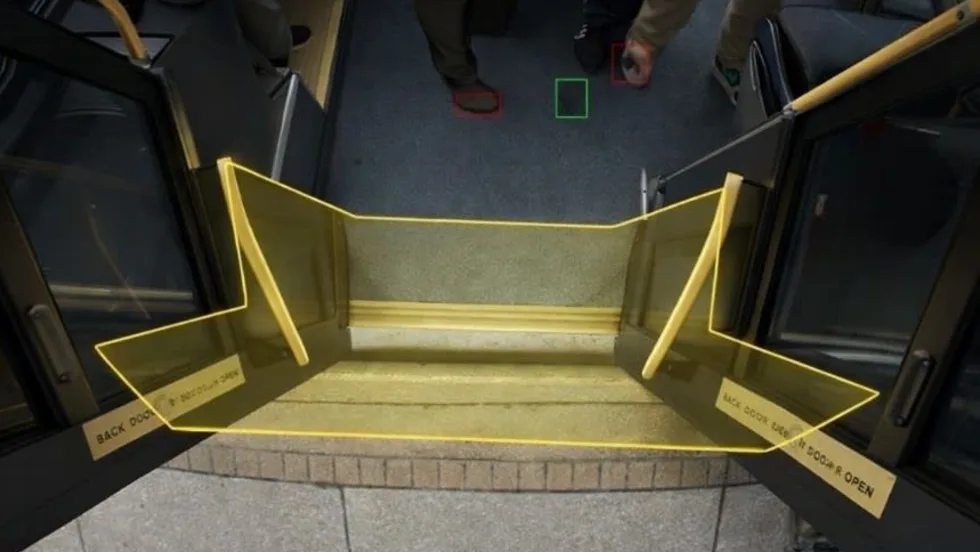
Sponsored•August 18, 2026
How VaporVision Adds Value to Transit Door Systems
Wabtec engineers explain how the system improves doorway detection, strengthens diagnostics and gives transit agencies and OEMs greater operating flexibility.
Read More →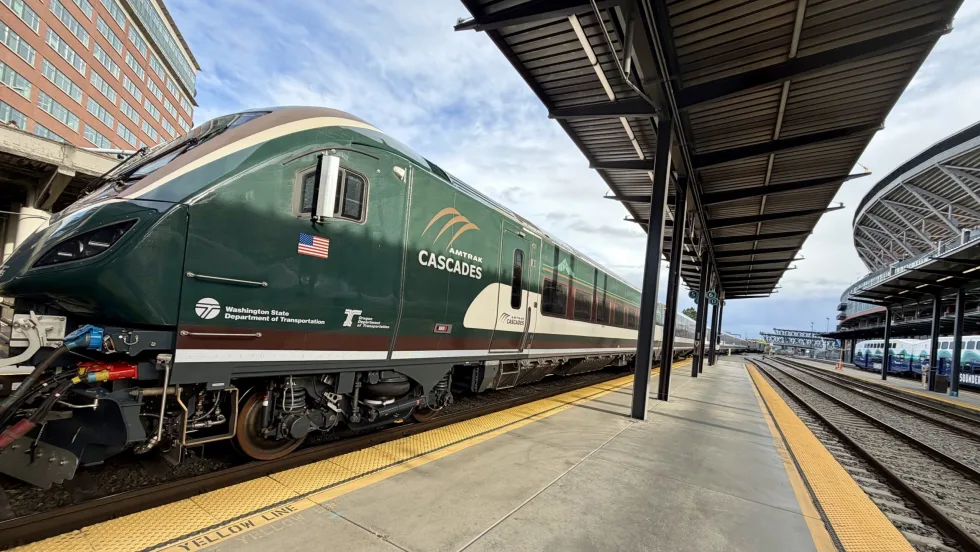
FRA Announces $5.3B in Rail Investments, Including $2B for Amtrak
Funding will support grade-crossing improvements, infrastructure upgrades, and new Amtrak equipment in 23 states.
Read More →
Chicago, Maryland Expand Non-Law-Enforcement Safety, Rider Support
The CTA and MTA are launching new programs aimed at de-escalation, crisis response, rider assistance, and greater transparency.
Read More →
LA Metro, City of West Hollywood, and Partners Advance Smarter Bus Lane Enforcement
The award-winning partnership combines AI-powered detection with human oversight to improve bus reliability, accessibility, and enforcement efficiency.
Read More →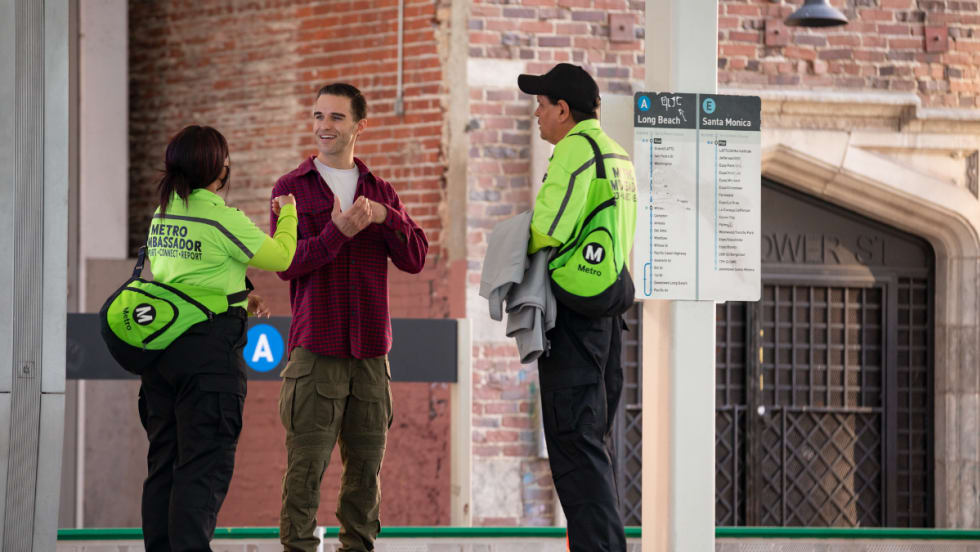
LA Metro Reports 57% Decline in Homelessness on Transit System Since 2024
The agency's latest homelessness count offers new data on how care-based services and cross-sector partnerships can complement traditional transit security strategies.
Read More →
FTA Launches 'Transit Moves America' Dashboard to Highlight Agency Safety and Performance
The online dashboard transforms National Transit Database information into a public-facing resource that allows users to compare transit agencies on key operational and safety metrics.
Read More →