



MTA Opens Second Section of LIRR Main Line Third Track
Major construction on the third track began in late 2018 and when fully opened later this year commuters along the Main Line corridor will have a mass transit solution that reduces road congestion and improves safety.


In addition to the additional track, the project included Mineola area elements, such as the elimination of the Willis Avenue and Main Street grade crossings, completion of the Mineola Harrison garage, and replacement of the Mineola substation and motor generator.
Marc A. Hermann
New York’s Metropolitan Transportation Authority (MTA) announced the opening of the 2.5-mile second section of the Long Island Rail Road’s new Main Line third track between the Merillon Avenue and Mineola stations.
“Just two weeks after opening the first section of the Third Track, we’re celebrating the next step in the MTA’s historic, multi-billion dollar investment into the Long Island Rail Road,” said MTA chair and CEO Janno Lieber. “Third Track, along with Grand Central Madison opening later this year, will allow the LIRR to increase its service by 40%, boosting Long Island’s economy for generations to come.”
In addition to the additional track, the project included Mineola area elements, such as the elimination of the Willis Avenue and Main Street grade crossings, completion of the Mineola Harrison garage, and replacement of the Mineola substation and motor generator.
The LIRR Main Line Expansion Project is a major part of an unprecedented multi-billion dollar investment in 100 projects to transform and modernize the Long Island Rail Road that also includes the opening of service to Grand Central Madison this year, construction of a more spacious Penn Station LIRR Concourse and a new entrance at 33rd Street, renewal and upgrading of 36 stations and 17 bridges, elimination of eight at-grade railroad crossings, activation of the Positive Train Control safety system, addition of 13 miles of second track between Farmingdale and Ronkonkoma, upgrades to 15 electrical substations, parking capacity increases, yard expansions, and more. In addition to these transformational investments, the MTA, together with NJ TRANSIT and Amtrak, plan to seek federal funding later this year to rebuild Penn Station into a modern and spacious world-class single-level terminal that is open to natural light.
Major construction on the third track began in late 2018 and when fully opened later this year commuters along the Main Line corridor will have a mass transit solution that reduces road congestion and improves safety. Long Island businesses will reap the benefits of true bi-directional LIRR service that will fuel economic opportunity, enhance the knowledge economy, and provide increased access to jobs and entertainment.
When combined with the opening of Grand Central Madison the LIRR's third track creates the ability to run more 45% more service and reduce delays along the Port Jefferson, Ronkonkoma, and Oyster Bay branches, all which run through Mineola, one of the top 10 busiest LIRR stations. As of May 2022, 136 trains ran through Mineola on weekdays. Under the new schedule, there will be 79 more trains, totaling 215.
The construction of this third track from Floral Park to Hicksville will reduce train congestion and delays and enable true bi-directional service during peak hours with a more reliable rail network. Nearby residents no longer must deal with the sounding of train horns and crossing bells. Traffic backups due to the closure of crossing gates and over-height truck collisions with railroad bridges are a thing of past.
The first section of the LIRR’s Main Line Third Track opened on August 15 when Gov. Hochul joined members of MTA leadership for a ceremonial ride along the three-mile stretch of track between Floral Park and Merillon Avenue stations, disembarking at the upgraded New Hyde Park Station.
More Rail
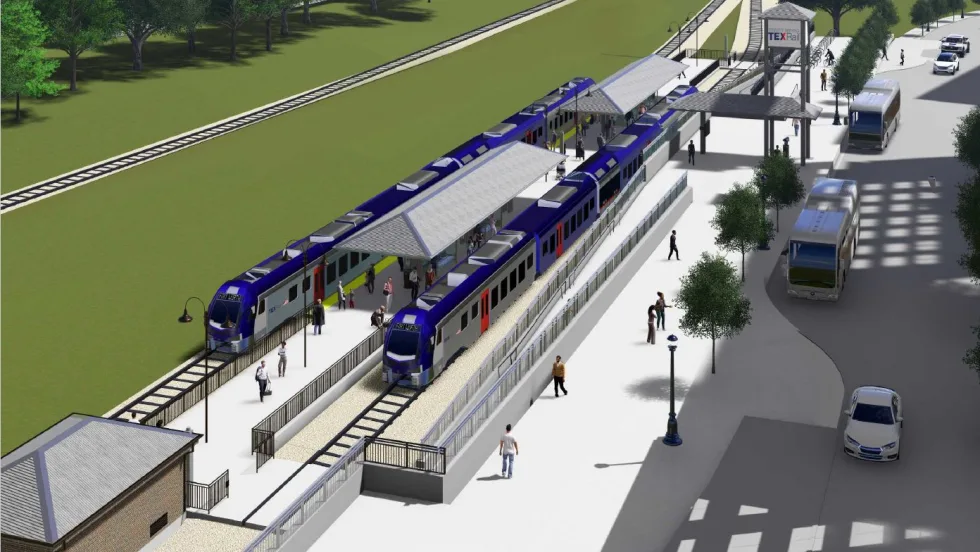
Trinity Metro Breaks Ground on $270M TEXRail Extension
The 2.1-mile extension will connect Fort Worth’s Medical District and Near Southside to downtown, surrounding communities, and Dallas-Fort Worth International Airport.
Read More →
Bringing Austin’s First Light Rail System to Life
Austin Transit Partnership CEO Greg Canally discusses the city's nearly 10-mile light rail project, its collaborative approach to project delivery, the importance of community engagement, and the milestones ahead as construction approaches in 2027.
Read More →
Metra Draft Plan Outlines Costs, Service Improvements for Regional Rail
The Systemwide Network Plan identifies infrastructure needs and potential investments to expand all-day, bidirectional rail service across the Chicago region.
Read More →
Amtrak Completes First Street Tunnel Upgrades, Restores Service
The nine-day construction project included replacing aging track infrastructure and modernizing switch systems near Washington Union Station.
Read More →
FRA Announces $2.3B for Passenger, Freight Rail Projects Nationwide
The CRISI Grant Program funding will support rail infrastructure improvements, safety upgrades, and projects aimed at improving freight and passenger rail service across 45 states and Washington, D.C.
Read More →
Caltrain’s Electrification Drives a New Era of Ridership Growth
The railroad’s shift to electric service has brought more frequent trains, stronger customer satisfaction, and increased ridership, earning it APTA’s Outstanding Public Transportation System award.
Read More →
FTA Advances $164M Broward County Commuter Rail Project
The proposed 10.5-mile commuter rail extension would connect Fort Lauderdale and Aventura, expanding passenger rail options in South Florida.
Read More →
New York MTA Launches Historic $1.9B Signal, Track Modernization Project
Funded in part by congestion pricing revenue, the project will replace nearly century-old signals along the A and C lines in Brooklyn and Queens.
Read More →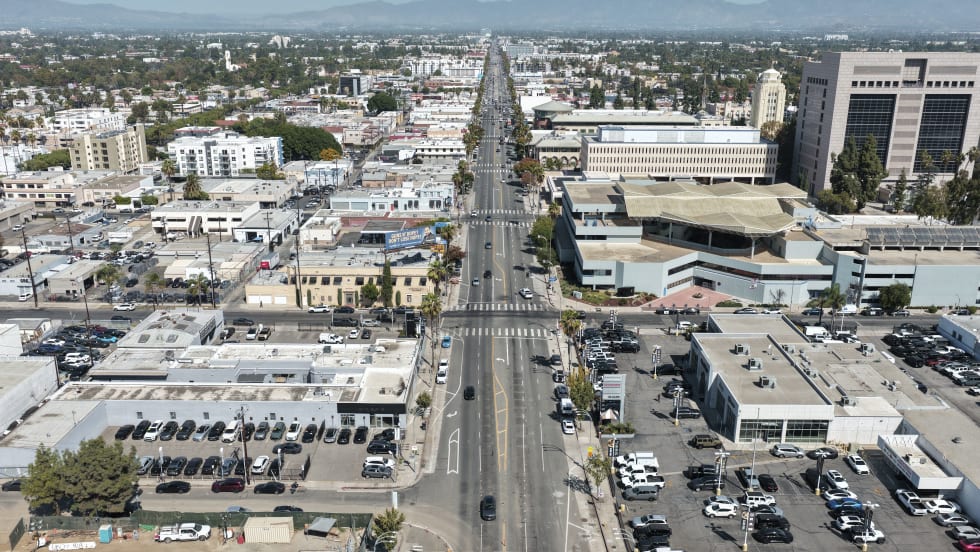
LA Metro Breaks Ground on East San Fernando Valley Light Rail Project
The 6.7-mile line will add 11 stations along Van Nuys Boulevard, expand access to jobs and regional transit connections, and support Metro’s broader efforts to improve mobility as rail ridership grows.
Read More →
CSA Group Releases Climate Resilience Standard for Transit, Passenger Rail
Developed with support from the Standards Council of Canada, CSA D700 guides assessing climate-related risks and planning adaptation measures for transit and passenger rail systems.
Read More →