



MUNI rolls out hybrid diesel-electric bus
San Francisco transit system believes buses will enhance efficiency, lower lifecycle costs and improve air quality.

The San Francisco Municipal Agency (MUNI) is embracing the hybrid diesel-electric bus as an environmentally responsible alternative to traditional diesel buses. “Many of our residents have already made the switch to hybrid vehicles, and it is time we follow suit,” said San Francisco Mayor Gavin Newsom at a June 1 press conference on the steps of City Hall. Parked at the curb outside City Hall was an Orion VII hybrid diesel-electric, low-floor bus manufactured by Orion Bus Industries and featuring a hybrid drive system by BAE Systems. This prototype bus has been operated by MUNI for several months. It will be followed by the delivery of 56 production models in the fall, which will make MUNI, a division of the Municipal Transit Agency (MTA), the third-largest operator of hybrid diesel-electric buses in the U.S. “This clean-air bus will bring us one step closer to reaching the MTA’s goal of being emissions-free in San Francisco by 2020,” said Nathaniel Ford, executive director and CEO of the MTA. Ford said the prototype hybrid bus has performed well during its testing period. Attending the event were representatives of DaimlerChrysler Commercial Buses North America, including Andreas Strecker, president and CEO, and Patrick Scully, chief commercial officer. During a media roundtable following the press conference, Scully predicted that hybrid buses will account for about 50% of the transit bus market in the next three to five years. Although hybrid buses can cost as much as 33% more than their traditional diesel counterparts, Scully said, their operational savings make them more affordable over the life of the bus. He said typical fuel economy for a hybrid bus is about 4 mpg, compared to 3 mpg for a standard diesel bus. Tom Webb, business development manager for BAE’s transit bus division, said the hybrid drive system, in addition to helping achieve better fuel economy, is also more reliable than a straight diesel engine. “It has fewer parts overall and fewer moving parts as well,” he said. “The drive motor will exceed the life of the bus.” He added that brake life will be significantly extended with hybrid propulsion, also leading to reduced costs.
More Management
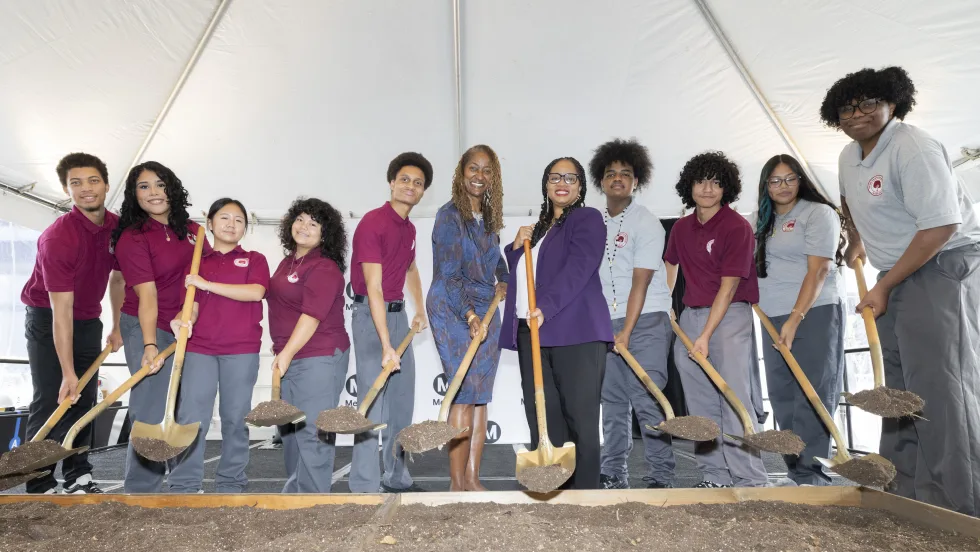
LA Metro Breaks Ground on Vermont BRT Project
The 12.4-mile corridor is projected to serve 66,200 daily riders, reduce travel times by up to 24%, and create the nation's busiest bus rapid transit corridor.
Read More →
Building Stronger Leaders, More Resilient Transit Teams
Dr. Carol Parker Walsh discusses leadership development, employee retention, workplace culture, and preparing transit’s workforce for AI and automation.
Read More →
Roman Cornell on ABC Companies’ Evolution and the Future of Passenger Transportation
The company’s CEO discusses carrying forward a third-generation family legacy, ABC’s continued evolution in passenger transportation, support for increasingly complex fleets, and how technology and continued investment could help operators improve uptime.
Read More →
CATS Launches West Charlotte Microtransit Zone, Expands Transit Services
The new microtransit zone connects residents to key destinations as Charlotte Area Transit System rolls out the first phase of its 2055 Transit System Plan.
Read More →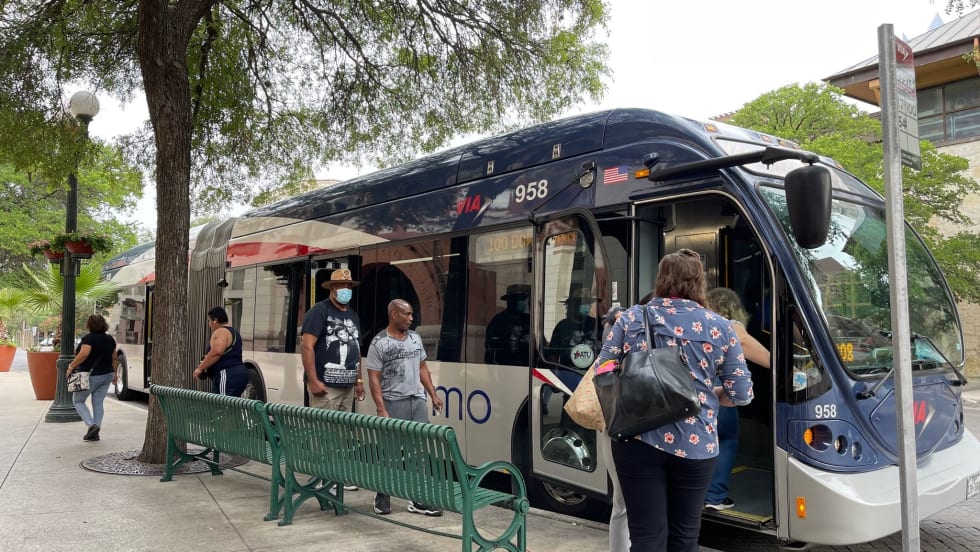
VIA Bus Ridership Grows 10.1% Through August 2026
San Antonio's VIA Metropolitan Transit reported the highest bus ridership growth among major Texas transit systems. Federal Transit Administration data ranked it second among the nation's 50 largest transit systems.
Read More →
CSA Group Releases Climate Resilience Standard for Transit, Passenger Rail
Developed with support from the Standards Council of Canada, CSA D700 guides assessing climate-related risks and planning adaptation measures for transit and passenger rail systems.
Read More →
ETA CEO John Maglio on Transit Technology, Innovation, and Building Agency Trust
ETA founder and CEO John Maglio explores the evolution of transit technology, the importance of reliable systems, and how stronger partnerships can help agencies improve operations and the passenger experience.
Read More →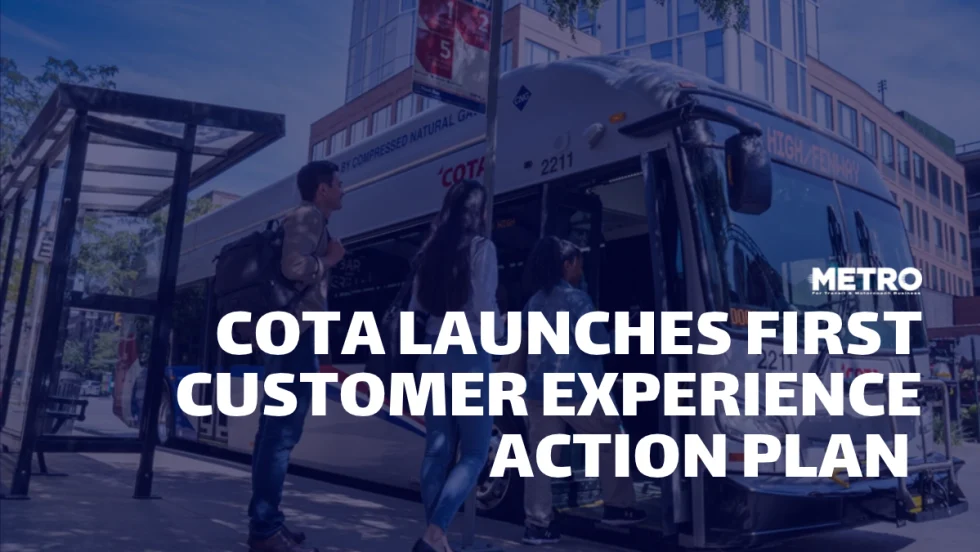
COTA Launches First Customer Experience Action Plan to Improve Transit Service
The new plan outlines improvements to service reliability, accessibility, communication, and the overall rider experience across Central Ohio's transit system.
Read More →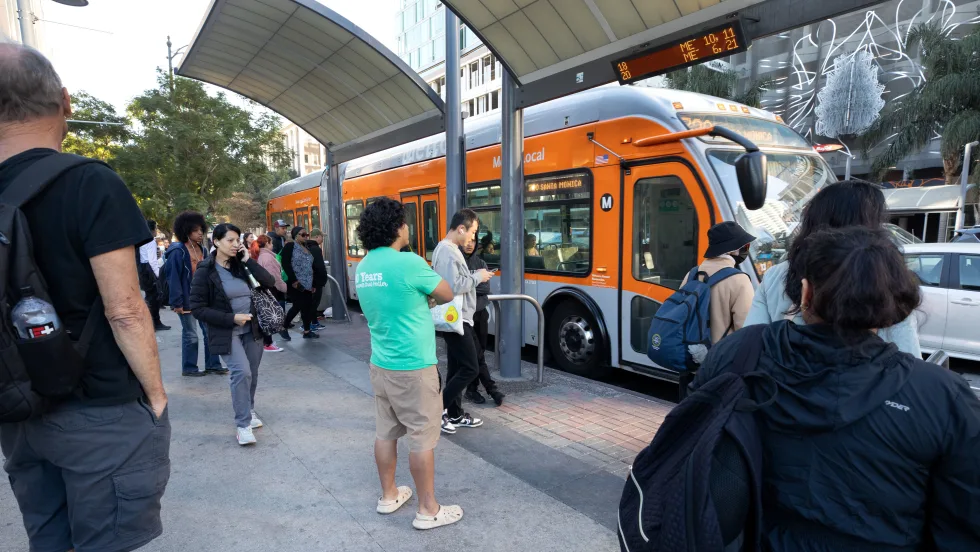
LA Metro September Ridership Climbs 3.9%, Led by Rail Growth
The agency recorded more than 27.2 million boardings, with rail ridership increasing 12.4% year over year and the D Line posting the largest gains.
Read More →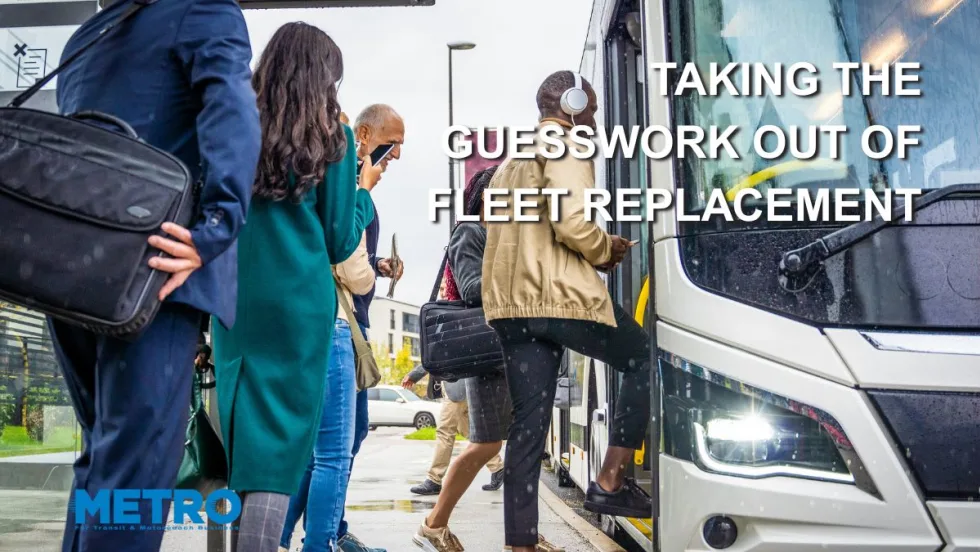
Utilimarc Launches SmartReplace to Optimize Fleet Replacement Decisions
AI-powered SmartReplace helps fleets prioritize vehicle replacements, model budget scenarios, and build more defensible long-term strategies.
Read More →