



MV taps analytics to boost operations, performance, and maintenance
Program moves away from static and historical reporting and allows for dynamic, real-time exploration and analysis of data.

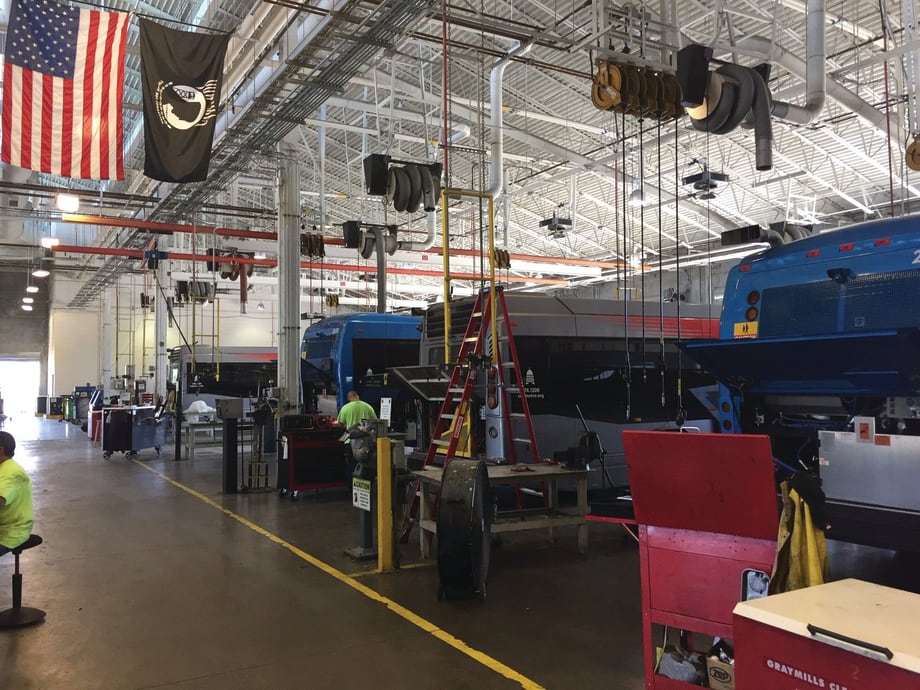
MV launched a pilot with the Capital Metropolitan Transportation to develop a predictive analytics solution that reduces unexpected maintenance events.
MV Transportation
MV launched a pilot with the Capital Metropolitan Transportation to develop a predictive analytics solution that reduces unexpected maintenance events.
MV Transportation
Transit agencies today are faced with the never-ending need to increase safety, efficiency, and reliability without sacrificing customer service. With the advent of advanced data analytics and artificial intelligence, it’s now possible to glean insights from historical and real-time data that not only improve operational performance but enhance the passenger experience.
MV Transportation is tapping into advanced analytics in partnership with Microsoft and Avanade to address several core parts of its business. MV is evaluating safety data to help drive process transformation; operational data, including overtime and on-time performance, to address pain points in hiring and retention; and maintenance data to develop predictive maintenance programs that reduce unplanned maintenance events. In each case, they are leveraging analytics to connect the dots between data and bring unique insights to life.
MV launched a pilot with the Capital Metropolitan Transportation Authority in Austin, Texas to develop a predictive analytics solution that reduces unexpected maintenance events by optimizing preventive maintenance for each vehicle based on utilization and environmental risk factors. The new program allows MV, which operates bus service for CapMetro, to customize maintenance to help prevent road calls for specific vehicles that are determined to be a higher risk, based on age and service miles, for example. The program takes these data points into account and identifies vehicle systems with the highest risk of failure to facilitate preventative maintenance actions.
MV will continually ingest data from CapMetro so that the system can learn and make new predictions. If the system detects a new pattern from analysis of work order history, it will suggest actions based on the data. With the maintenance department able to anticipate which vehicles are most likely to fail, service interruptions will drop, on-time performance and vehicle availability will improve, and passengers will ultimately enjoy a seamless ride.
MV’s analytics program moves away from static and historical reporting and allows for dynamic, real-time exploration and analysis of data. It changes the approach to preventative maintenance, delivering new data transparency, improving responsiveness, and opening the door for significant future savings. With the success of its pilot efforts, MV is expanding the availability of its analytics solutions to more of the customers the company serves with fixed-route, paratransit, and shuttle services and has also begun offering them as standalone professional services.
More Technology

From Hardware to Digital Partner: Luminator Charts Its Next Chapter
CEO Magnus Friberg discusses Luminator’s shift toward becoming a digital partner, the growing importance of software and interoperability, and how AI can help agencies improve operations and passenger experience.
Read More →
Beyond the Checklist: A Structured Approach to Transit Maintenance
Reliability-Centered Maintenance helps transit agencies move beyond routine checklists to focus limited resources on the assets and failures that have the greatest impact on safety, reliability, and service.
Read More →
NJ TRANSIT Advances Bus Technology Upgrades Across Statewide Fleet
More than 1,500 buses now feature upgraded technology designed to improve arrival predictions and provide free Wi-Fi, with deployment expected to reach nearly 2,000 buses by the end of 2026.
Read More →

Building a Flexible Path to Transit Electrification
John Hroncich discusses BAE Systems’ modular and scalable approach, lessons learned from decades of real-world operations, and how agencies can identify electrification strategies that fit their fleets.
Read More →
Biz Briefs: Alstom Lands Canadian Contract, LYT to Supply California TSP, and More
In METRO's latest installment, we take a look at recent news from Complete Coach Works, Beep, FlixBus, and more partnerships making headlines across the transportation sector.
Read More →
From Legacy Silos to Conversational Intelligence
What if transit leaders could ask any operational question and get a trusted answer in seconds? Conversational AI is transforming how agencies use their data.
Read More →
USDOT Announces Rail Vehicle Replacement Grants, Chattanooga AV Shuttle Funding
More than $191 million in federal funding will help three transit agencies replace aging rail vehicles and support a new autonomous shuttle service in Chattanooga.
Read More →
Bus Tech Talk: Keeping Transit Technicians Ahead of the Technology Curve
LA Metro’s Obed Mejia discusses technician training, evolving maintenance technology, fleet replacement, and strategies for getting the most out of today’s transit fleets.
Read More →
Biz Briefs: RIPTA Unveils New Frontrunners, Clevland RTA Adds New Siemens, and More
In METRO's latest installment, we take a look at recent news from Siemens, Prevost, Dodge, and more partnerships making headlines across the transportation sector.
Read More →
Why Simulating Pedestrian Movement Has Become Essential for Modern Rail Stations
Pedestrian microsimulation is helping rail planners identify bottlenecks, test station designs, and prepare complex transit hubs for growing passenger volumes.
Read More →