



N.Y. MTA Calls for Bus Camera Enforcement Expansion to Be in State Budget
Gov. Kathy Hochul’s Executive Budget proposal included making ABLE camera enforcement permanent and would also create a five-year pilot program allowing New York City Transit and NYCDOT to enforce applicable local laws and regulations regarding bus operation related traffic restrictions


Through February 2023, 224,000 violations have been issued since the camera enforcement program began, generating $11 million in revenue for the MTA.
MTA/Marc A. Hermann
New York's Metropolitan Transportation Authority (MTA) leaders stood alongside transit advocates to call on the New York State Legislature to include in the upcoming Fiscal Year 2024 Executive Budget legislation that would make the Automated Bus Lane Enforcement (ABLE) cameras program permanent and provide the MTA and the New York City Department of Transportation (NYCDOT) the ability to enforce certain traffic violations that impede bus operations anywhere they travel.
Gov. Kathy Hochul’s Executive Budget proposal included making ABLE camera enforcement permanent and would also create a five-year pilot program allowing New York City Transit and NYCDOT to enforce applicable local laws and regulations regarding bus operation related traffic restrictions, such as:
No Standing Zones in bus lanes and at bus stops
Double parking in bus lanes
Parking in bus lanes and at bus stops
Turning in bus lanes
The New York State Senate included a similar version of the Governor’s proposal in their one-house budget released last week. Similar legislation to expand the use of camera enforcement was also proposed in 2022 and 2023 by State Sen. Liz Krueger and Assembly Member Alicia L. Hyndman.
Through February 2023, 224,000 violations have been issued since the camera enforcement program began, generating $11 million in revenue. Commercial vehicles have been the most common recidivists, with 86% of violators committing one violation. Only 5% of violators have committed more than two violations.
The M15-SBS route was one of the first bus routes to implement ABLE cameras, with the cameras being installed in October 2019. Today, the M15-SBS the fastest route that travels entirely on local Manhattan streets features an all-day average speed of 7.9 mph, which is much higher than the borough-wide average of 6.1 mph, according to the agency. Collisions on the route have gone down 34% since implementation.
“While larger initiatives like congestion pricing will truly help speed up buses throughout the city, camera enforcement is a tool at our disposal right now that has proven to be effective,” said New York City Transit President Richard Davey. “I applaud elected leaders for proposing legislation that would expand camera enforcement beyond the bus lane, allowing us to speed up buses now, so that New Yorkers who rely on the bus can get where they need to go faster.”
ABLE cameras are an essential tool to keep bus lanes clear of vehicles and buses on schedule for more consistent and reliable service. Bus enforcement technology was expanded to all five boroughs in 2022 and now cover approximately 50% of bus lane miles across New York City. The MTA and NYCDOT have agreed to expand camera enforcement to cover up to 85% of existing bus lanes by the end of 2023. NYCDOT’s fixed cameras will work in concert with these bus cameras to reduce the number of illegal cars and other vehicles in bus lanes.
Each bus lane corridor has signage indicating the hours that the bus lanes are operable and warning motorists that the lanes are camera-enforced, as the existing bus lane corridors have. NYCDOT issues warnings to motorists for the first 60 days, in accordance with state law, to ensure drivers are informed about the program before any fines are levied. Drivers who violate these rules during enforcement periods are subject to a summons, with fines beginning at $50 and escalating, for repeat offenders, up to $250.
More Security and Safety

Transit Agencies Highlight Safety Gains at National Summit
Leaders from 15 major transit systems shared crime-reduction results and safety initiatives while discussing the role of continued federal support.
Read More →
DART Launches Major Security, Fare Enforcement Initiative
The 90-day demonstration will deploy coordinated security teams at five light rail stations while testing controlled access and gathering data to guide future investments.
Read More →
RTD Launches NextRide App to Consolidate Trip Planning, Fares, Security Reporting
The app expands on RTD’s existing NextRide web application and allows customers to view real-time vehicle locations and service alerts, purchase and store digital fares, and access customer support.
Read More →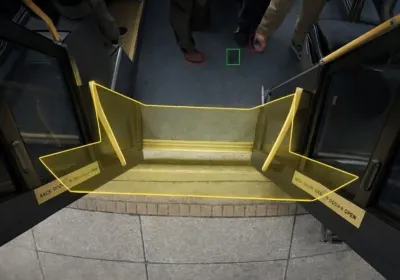
TAPTCO Updates OSHA Compliance Training for Transit Maintenance Operations
The revamped program addresses 26 OSHA standards for maintenance facilities, with TAPTCO pointing to training, documentation, and everyday shop hazards as continuing challenges for transit operations.
Read More →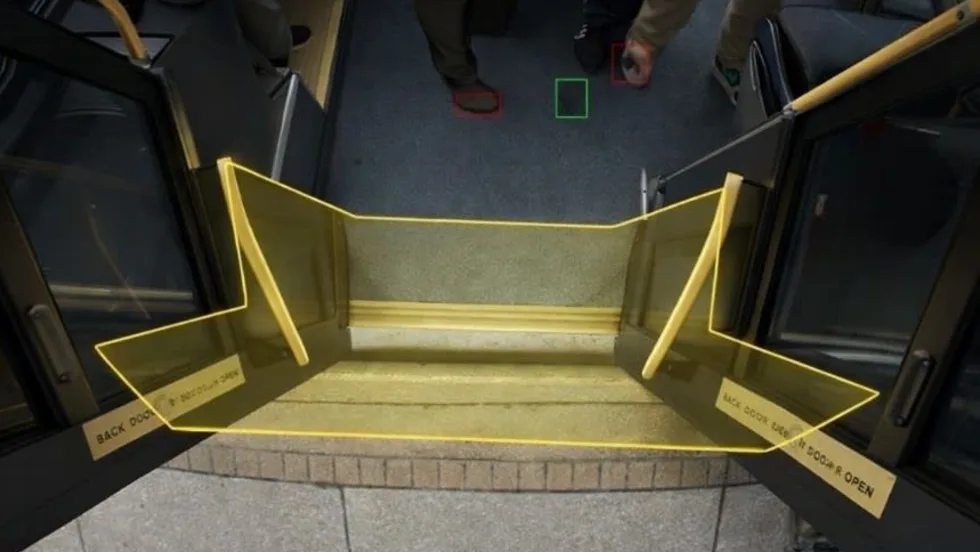
How VaporVision Adds Value to Transit Door Systems
Wabtec engineers explain how the system improves doorway detection, strengthens diagnostics and gives transit agencies and OEMs greater operating flexibility.
Read More →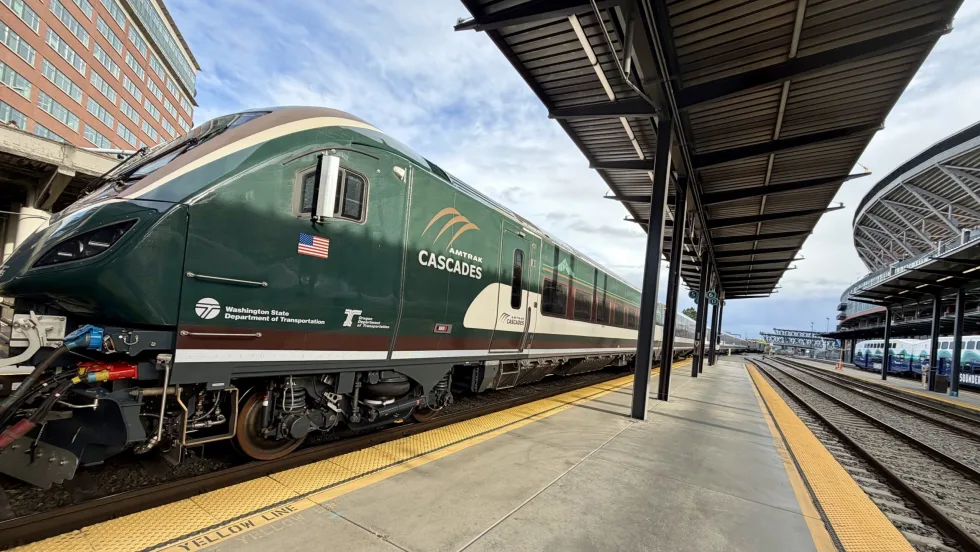
FRA Announces $5.3B in Rail Investments, Including $2B for Amtrak
Funding will support grade-crossing improvements, infrastructure upgrades, and new Amtrak equipment in 23 states.
Read More →
Chicago, Maryland Expand Non-Law-Enforcement Safety, Rider Support
The CTA and MTA are launching new programs aimed at de-escalation, crisis response, rider assistance, and greater transparency.
Read More →
LA Metro, City of West Hollywood, and Partners Advance Smarter Bus Lane Enforcement
The award-winning partnership combines AI-powered detection with human oversight to improve bus reliability, accessibility, and enforcement efficiency.
Read More →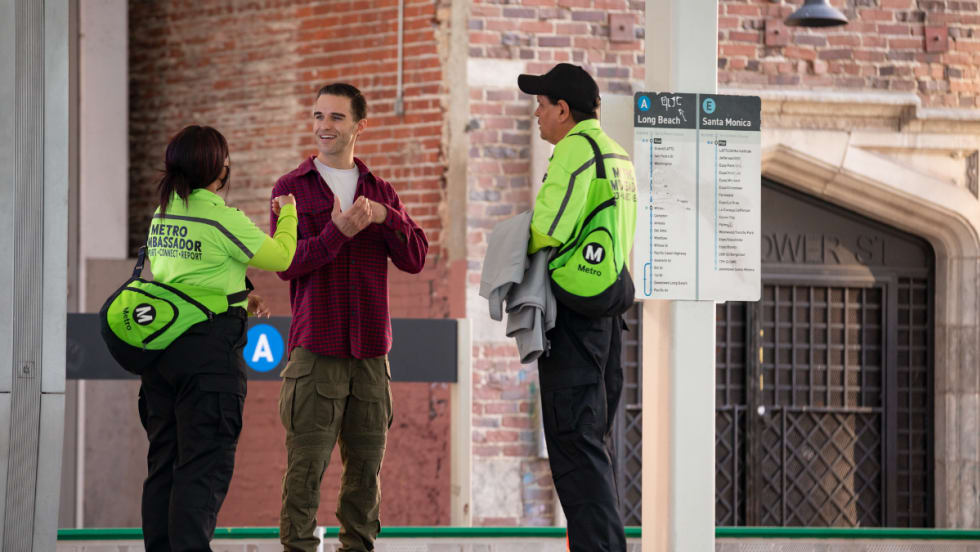
LA Metro Reports 57% Decline in Homelessness on Transit System Since 2024
The agency's latest homelessness count offers new data on how care-based services and cross-sector partnerships can complement traditional transit security strategies.
Read More →
FTA Launches 'Transit Moves America' Dashboard to Highlight Agency Safety and Performance
The online dashboard transforms National Transit Database information into a public-facing resource that allows users to compare transit agencies on key operational and safety metrics.
Read More →