



N.Y. MTA purchases 30 MV-1s
The vehicle is the first purpose-built vehicle for both ambulatory and mobility impaired customers to meet ADA vehicle guidelines. It seats up to four passengers with a dedicated space for a wheelchair or scooter situated next to the operator.

The Metropolitan Transportation Authority (MTA) New York City Transit's Department of Buses purchased 30 new MV-1 vans for use by the Paratransit Division to determine their suitability as replacement vehicles for older Access-A-Ride vans now in use.
The MV-1 is the first purpose-built vehicle for both ambulatory and mobility impaired customers to meet ADA vehicle guidelines. It seats up to four passengers with a dedicated space for a wheelchair or scooter situated next to the operator. The MV-1 features a large doorway with a low step-in for easy entry and a fully integrated power ramp with a 1,200 pound capacity.
The 15 MV-1 gas-powered and 15 MV-1 compressed natural gas (CNG) powered vehicles began arriving in December and are now ready for the road. Paratransit operates a fleet of 1,970 vehicles, 1,300 of which are vans with wheelchair accessibility.
"We are always looking at new ways to reduce operating costs and increase flexibility, while at the same time delivering a safe and efficient Paratransit service for our customers," said MTA New York City Transit President Thomas Prendergast.
The designer, developer and marketer of the MV-1 is the Vehicle Production Group (VPG) and is being manufactured by AM General.
City fuel economy for the gasoline-powered MV-1 is approximately 15 miles per gallon (MPG) and 13 MPG for the CNG-powered MV-1 as compared to 7 MPG for the AAR vans currently in use. The gasoline-powered vehicles will be distributed among three carriers: All Transit, GVGII and StarCruiser. They are scheduled to go into service during the week of January 29.
The CNG-powered vehicles will be divided between MVP Transportation Inc. and Columbus Transit LLC and will begin serving customers in mid-February.
More Paratransit
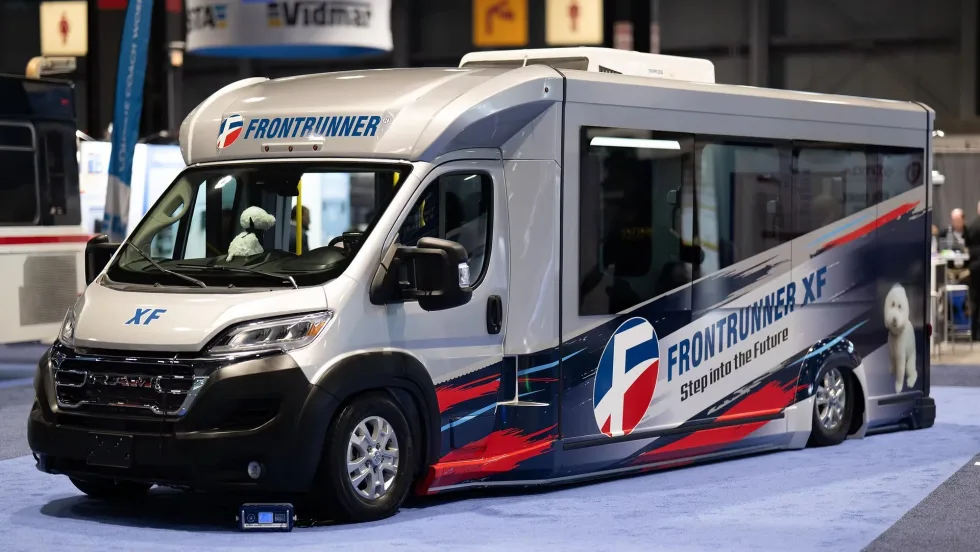
Frontrunner Bus Group Introduces XF Low-Floor Bus with Enhanced Accessibility
The new mid-sized bus features a full flat-floor design, eight-inch curbside step-in height, and zero-entry rear ramp to improve passenger access and operational flexibility.
Read More →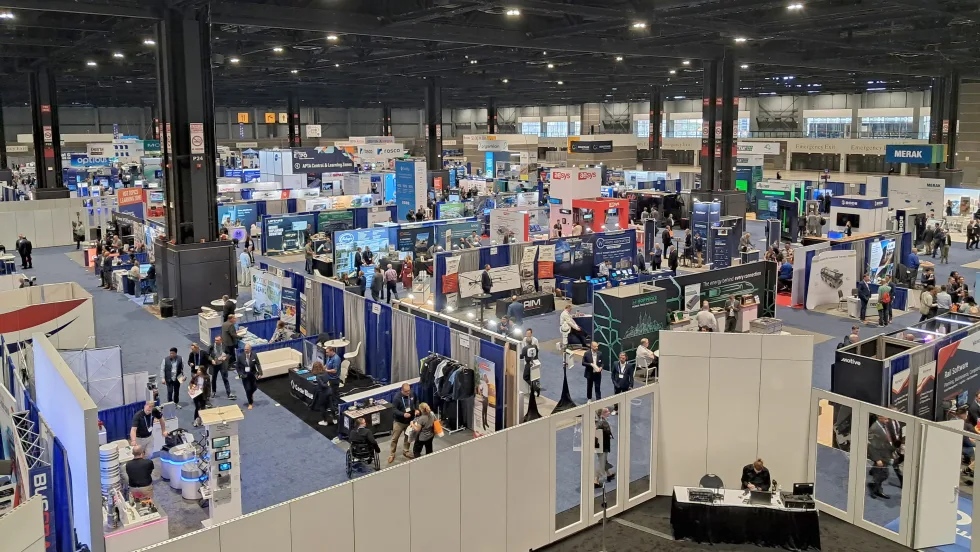
Scenes from APTA TRANSform & EXPO 2026
Transit leaders, manufacturers, and industry professionals gathered in Chicago to explore new technologies, share ideas, and discuss the future of public transportation.
Read More →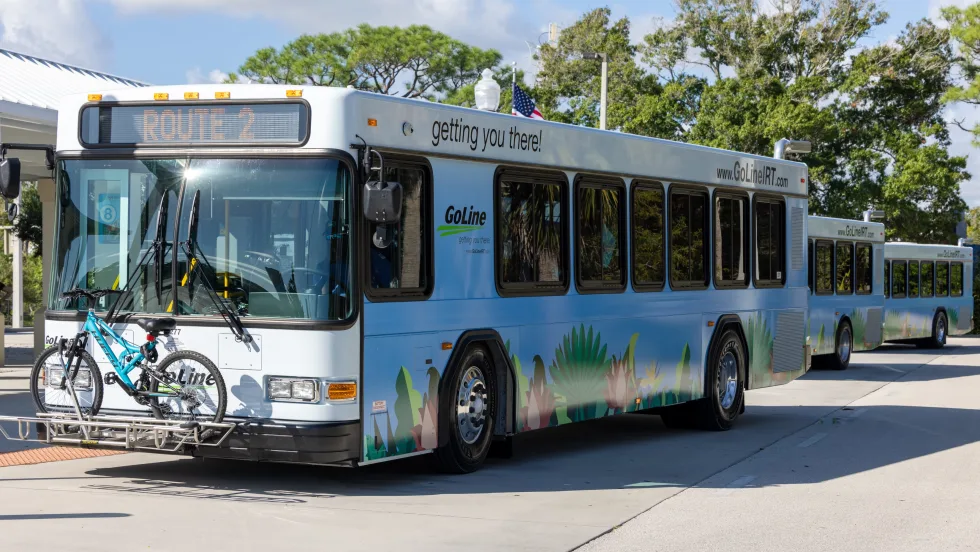
Indian River Transit’s Community-Focused Approach Earns National Recognition
Named APTA’s 2026 Outstanding Public Transportation System in its size category, Florida’s Indian River County transit system continues to grow ridership through fare-free service and a focus on evolving community needs.
Read More →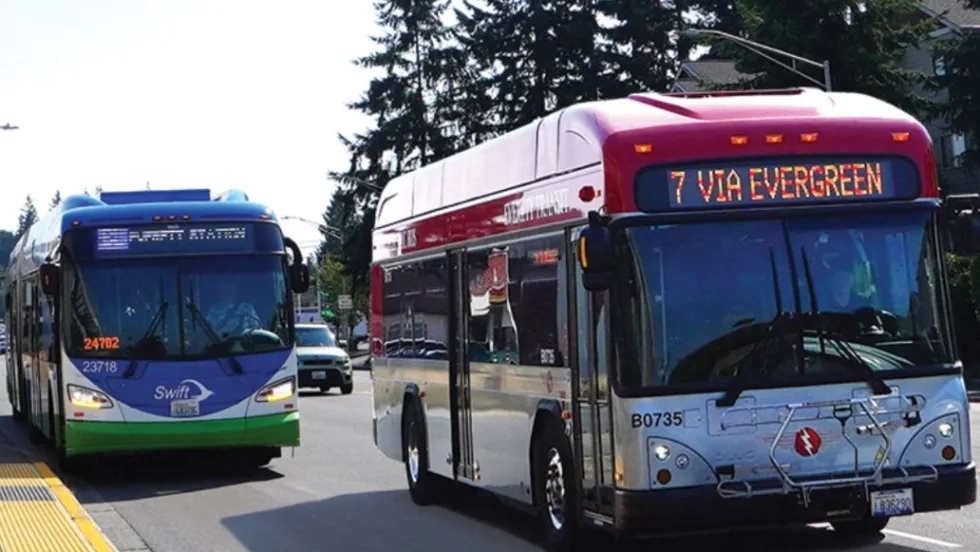
Everett Transit, Community Transit Outline Consolidation Agreement
The proposed agreement calls for a 50% increase in bus service in Everett, a new microtransit zone, continued paratransit service, and the transfer of Everett Transit operations to Community Transit.
Read More →
Driving Smarter Paratransit
John Hanlon shares how AlphaRoute is leveraging AI-powered technology to help paratransit providers optimize operations, support frontline staff, and enhance the rider experience.
Read More →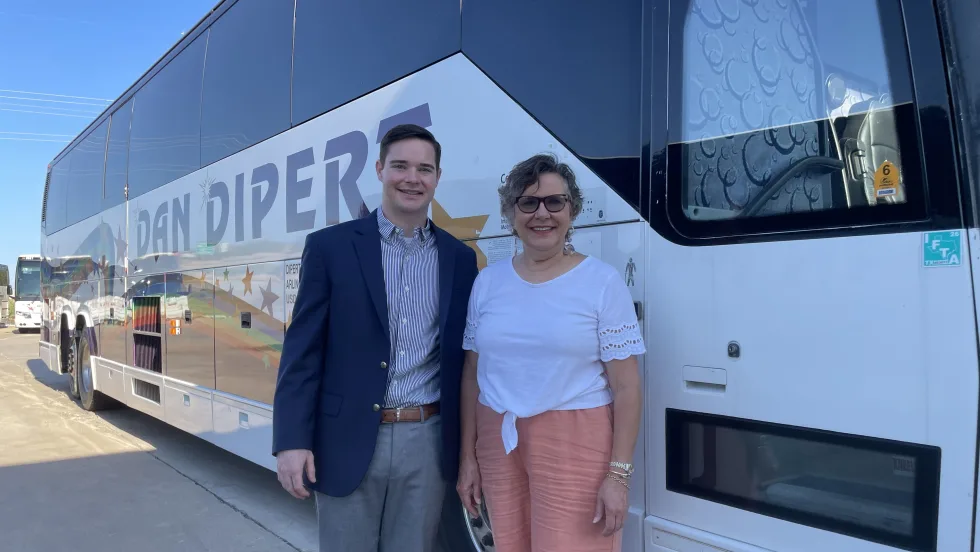
People Movement: Dan Dipert Coaches Adds Third-Generation Leader, Keolis Names New Valley Metro VP/GM, and More
In this edition, we also cover recent appointments and announcements at the Wabtec, SilverRide, HNTB, and more, showcasing the individuals helping to shape the future of transportation.
Read More →
Biz Briefs: RIPTA Unveils New Frontrunners, Clevland RTA Adds New Siemens, and More
In METRO's latest installment, we take a look at recent news from Siemens, Prevost, Dodge, and more partnerships making headlines across the transportation sector.
Read More →
King County Metro Makes ADA Paratransit Easier to Navigate
METRO's Innovative Solutions Award winner replaces complex service-area descriptions with an accessible, interactive map that puts paratransit information directly in customers’ hands.
Read More →
Jacksonville’s NAVI Project Charts a New Course for Autonomous Public Transportation
Through its NAVI program, JTA is showing how autonomous vehicles, intelligent infrastructure, and coordinated operations can work together to deliver everyday public transportation.
Read More →
Driving Smarter Paratransit
John Hanlon shares how AlphaRoute is leveraging AI-powered technology to help paratransit providers optimize operations, support frontline staff, and enhance the rider experience.
Read More →