



National Express Buys ATC
Continuing the remarkable string of British public transport deals in the U.S., National Express Group acquired the ATC Group.

Continuing the remarkable string of British public transport deals in the U.S., National Express Group, the leading mass passenger transport services provider in the U.K. has acquired the ATC Group, the largest privately owned public transit passenger services contractor in the US. Terms of the deal involved $172.5 million in cash, funded through National Express’ existing bank arrangements. The ATC Group currently operates transit service in 44 cities in 18 states. It generated an operating profit of $10.9 million in 1999 on revenues of $153.1 million. ATC, based in Chicago, is the principal subsidiary of the ATC Group and is the third largest provider of public transit bus services in the U.S. In 1999, ATC had a turnover of $139.1 million and employed 4,800 people, including 3,200 drivers. Its fleet of over 2,000 vehicles provides fixed-route bus services in 31 cities in 13 states, including Las Vegas, San Diego, Phoenix, Denver, Austin, Chicago, New Orleans and Raleigh. Intelitran, the smaller subsidiary of the ATC Group based in Pittsburgh, is the largest manager of paratransit bus operations in the country. It employs over 300 people who manage service under contract in 7 states. Intelitran has also developed paratransit scheduling and management software. It uses the software in-house as well as selling it to third parties. The ATC Group management team will continue to report to Terry Van Der Aa. He will report to Larry Durham, CEO of National Express’ North American division. The announcement comes in the wake of a remarkable string of deals involving U.S. and European public transport companies, particularly those from Britain. These have involved both operating companies (e.g., Stagecoach Holdings’ purchase of Coach USA and First Group’s purchase of Ryder/ATE) to manufacturer acquisitions (e.g., Henlys’ buy-out of Blue Bird) to technology transfer schemes between supplier firms (e.g., Robert Wright & Sons and Chance Coach and ElDorado National’s deal with MAN). "I am delighted with the acquisition of the ATC Group, which gives us critical mass and nationwide coverage in the important North American market," Phil White, Chief Executive of National Express said. "Together with our student transportation businesses, we now operate and manage almost 8,000 vehicles, employ 9,000 drivers, service 230 million passengers and have a turnover of more than $325 million per annum in North America. With our significantly enlarged North American division, we can also expect to benefit from substantial operating efficiencies. Both of the sectors in which we now operate have excellent prospects for further growth, both organically and by acquisition." The fixed-route, or scheduled, bus services sector, estimated to be worth over $9 billion per annum, is served by a total of over 40,000 vehicles, of which nearly 30,000 are located in urban areas, according to National Express estimates. Approximately 16% of scheduled bus services are currently contracted out to the private sector. According to a recent analysis by METRO Magazine, that slice is expected to grow further in this decade. The smaller paratransit sector is estimated to be worth around $800 million per annum and is served by a combination of small buses and vans, according to passenger needs. Approximately 80% of these services are currently contracted out to the private sector, National Express added. The total market has grown historically at about 4% per year this growth rate should continue in the foreseeable future.
More Management

Castro to Lead RTC of Southern Nevada and More in People Movement
In this edition, we also cover recent appointments and announcements at the STV, MCI, and more, showcasing the individuals helping to shape the future of transportation.
Read More →
STraffic Expands North American Presence with Fare Collection Technology
John Moon, Associate Director, Product Strategy at STraffic, discusses the company's growth in North America, its efforts to reduce fare evasion, and more.
Read More →
Study: Denver RTD Generates $2.1 Billion in Annual Economic Activity
An economic impact study finds the agency supports approximately 17,500 jobs, delivers $1.6 billion in annual community and mobility benefits, and generates $2.42 in economic value for every dollar invested.
Read More →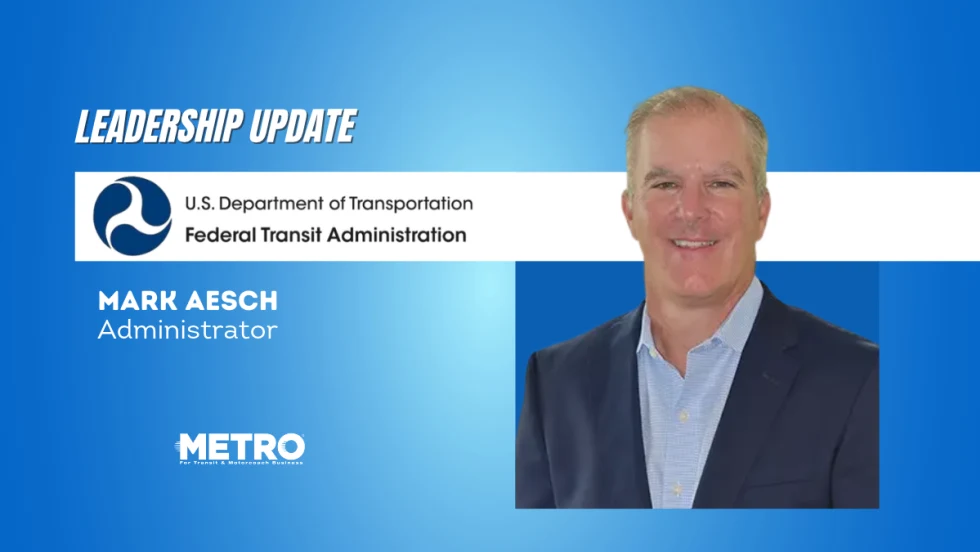
Mark Aesch Nominated to Lead Federal Transit Administration
The former Rochester transit chief and TransPro founder, who has also contributed to METRO Magazine, brings decades of industry experience and a focus on performance, accountability, and financial sustainability to the nomination.
Read More →
Best and Worst U.S. Cities for Public Transportation in 2026
A new analysis of 50 major U.S. urban areas ranks public transit systems based on accessibility, affordability, usefulness, and safety, highlighting where transit performs best and where challenges remain.
Read More →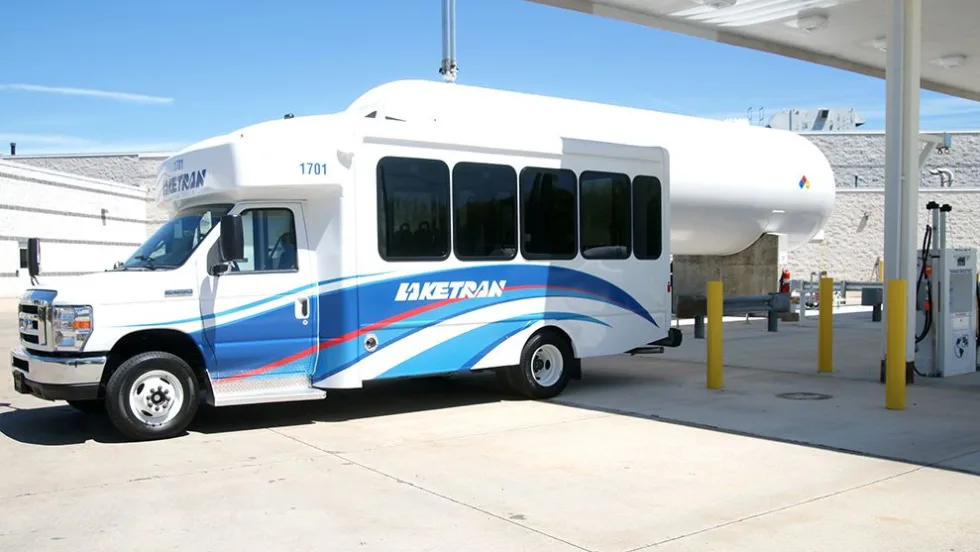
Laketran Cuts Fuel Costs, Boosts Efficiency with Propane-Powered Fleet
The Ohio transit agency is using propane-powered vehicles and on-site fueling infrastructure to cut fuel and maintenance costs while meeting growing demand for paratransit services.
Read More →
Canada’s Public Transit Supports $65.6 Billion in Annual GDP
New research from the Canadian Chamber of Commerce examines transit's economic contributions, including job creation and the financial implications of transportation investment.
Read More →
Pierce Transit Moves to Expand Fleet Following Proposition 1 Approval
The agency authorized the purchase or refurbishment of up to 60 buses to support a 47% service expansion, as voters nationwide approved billions in new transit funding.
Read More →
Right-Sizing Rural Transit: Lessons from North Grenville’s On-Demand Model
A small municipality shows how flexible service, rider needs, and public accountability can expand mobility with limited resources.
Read More →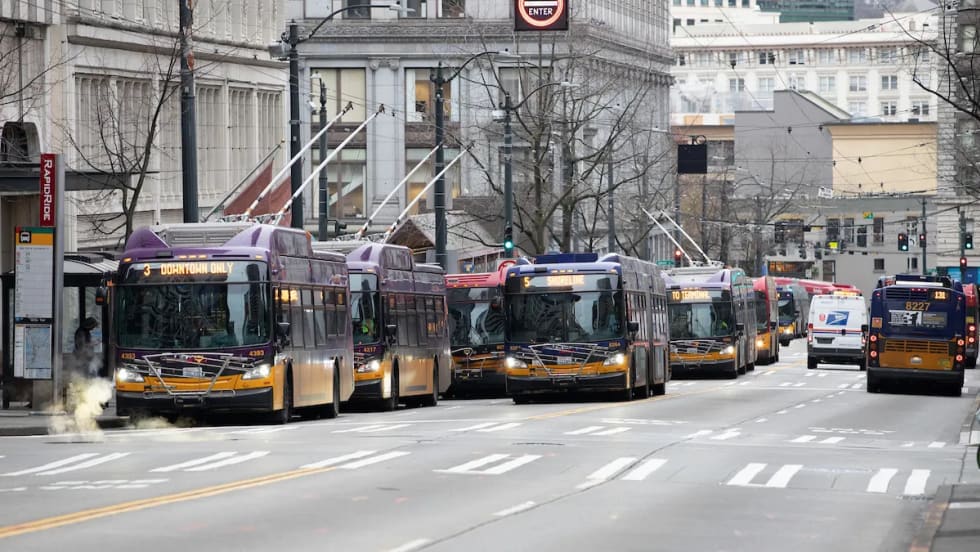
Transit Ballot Victories Signal Strong Voter Support: What Comes Next?
Voters approved billions in public transportation investments in 2026, giving agencies opportunities to preserve service, expand operations, and strengthen regional connections amid a changing political landscape.
Read More →