



New CTA safety plan to add more officers, use smart policing tech
Also, a new stragetic support center will provide access to more than 32,000 surveillance cameras already installed on CTA property.

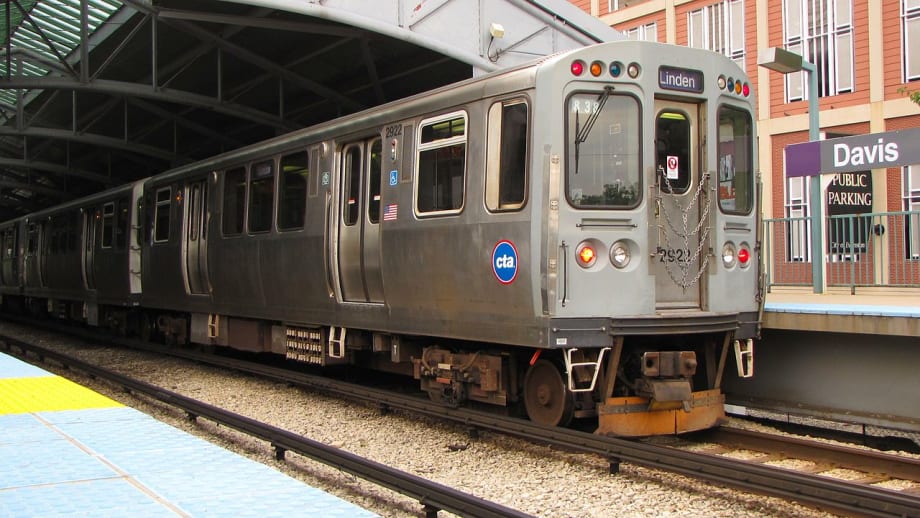
To build on recent deployment strategies, rail saturation missions, and undercover operations to fight crime on the CTA, the department is adding an additional 50 officers to its Public Transportation Unit.
Ben Schumin
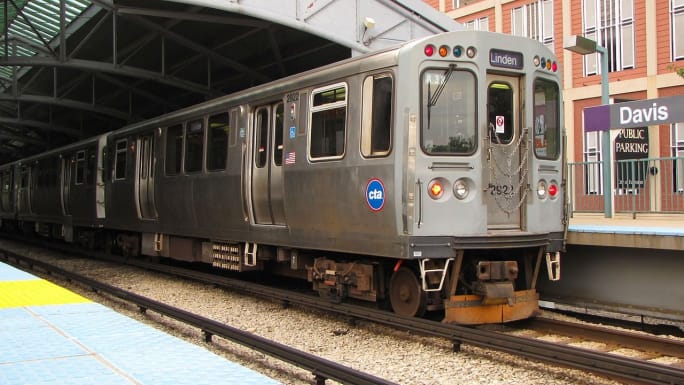
To build on recent deployment strategies, rail saturation missions, and undercover operations to fight crime on the CTA, the department is adding an additional 50 officers to its Public Transportation Unit. Ben Schumin
As part of this new multi-faceted plan to increase safety across Chicago’s rail and bus system, the Chicago Transit Authority (CTA) will add 50 more officers, smart policing technology and a dedicated detective unit.
To build on recent deployment strategies, rail saturation missions and undercover operations to fight crime on the CTA, the Chicago Police Department is adding an additional 50 officers to its Public Transportation Unit. With several hundred officers currently patrolling the CTA, the additional officers in the unit will expand CPD’s footprint on Chicago’s public transit system, allowing more officers to monitor activity on the platform stations, trains and buses.
As part of last month’s department-wide reorganization to maximize the level of police resources back into the field, the CPD is creating a dedicated group of detectives to focus solely on crime activity on the CTA. Working directly with the CTA Security Department and the officers patrolling the stations, the new detectives will not only build on City’s current reductions in transit crime but also supplement its efforts to solve crimes when they do occur.
While crime on the CTA system has seen a slight decrease compared to the same time last year, arrests have increased by nearly 30% year-to-date, credited heavily towards targeted enforcement missions and increased collaboration between detectives and officers in the field.
In addition to the new detectives, the Department will also be adding a new Strategic Decision Support Center (SDSC Room) to the 1st (Central) District, which will be dedicated to solving CTA crime as well as crimes in the District.
Expected to launch this spring, the new smart-policing technology will be the central location where CPD will have access to more than 32,000 cameras already installed on CTA property.
The cameras, which are found at every rail station and on every bus and train, continue to assist detectives in identifying and locating offenders that commit crimes on the public transit system.
Funded by a donation from philanthropist and Citadel CEO Ken Griffin, the new SDSC Room will decrease the time needed to access surveillance footage from both CTA cameras as well as private security cameras, which in the past has taken detectives hours to retrieve. These district-based intelligence centers give real-time access to district intelligence information to police officers in the field, helping them determine deployment strategies based on historical crime data. This mobile technology will allow for smarter, data-driven patrols and significantly decreased response times to potential service calls.
More Security and Safety

Transit Agencies Highlight Safety Gains at National Summit
Leaders from 15 major transit systems shared crime-reduction results and safety initiatives while discussing the role of continued federal support.
Read More →
DART Launches Major Security, Fare Enforcement Initiative
The 90-day demonstration will deploy coordinated security teams at five light rail stations while testing controlled access and gathering data to guide future investments.
Read More →
RTD Launches NextRide App to Consolidate Trip Planning, Fares, Security Reporting
The app expands on RTD’s existing NextRide web application and allows customers to view real-time vehicle locations and service alerts, purchase and store digital fares, and access customer support.
Read More →

TAPTCO Updates OSHA Compliance Training for Transit Maintenance Operations
The revamped program addresses 26 OSHA standards for maintenance facilities, with TAPTCO pointing to training, documentation, and everyday shop hazards as continuing challenges for transit operations.
Read More →
How VaporVision Adds Value to Transit Door Systems
Wabtec engineers explain how the system improves doorway detection, strengthens diagnostics and gives transit agencies and OEMs greater operating flexibility.
Read More →
FRA Announces $5.3B in Rail Investments, Including $2B for Amtrak
Funding will support grade-crossing improvements, infrastructure upgrades, and new Amtrak equipment in 23 states.
Read More →
Chicago, Maryland Expand Non-Law-Enforcement Safety, Rider Support
The CTA and MTA are launching new programs aimed at de-escalation, crisis response, rider assistance, and greater transparency.
Read More →
LA Metro, City of West Hollywood, and Partners Advance Smarter Bus Lane Enforcement
The award-winning partnership combines AI-powered detection with human oversight to improve bus reliability, accessibility, and enforcement efficiency.
Read More →
LA Metro Reports 57% Decline in Homelessness on Transit System Since 2024
The agency's latest homelessness count offers new data on how care-based services and cross-sector partnerships can complement traditional transit security strategies.
Read More →
FTA Launches 'Transit Moves America' Dashboard to Highlight Agency Safety and Performance
The online dashboard transforms National Transit Database information into a public-facing resource that allows users to compare transit agencies on key operational and safety metrics.
Read More →