



New Guide Helps Public Transit, Motorcoach Fleets Prepare for Emergencies Before Disaster Strikes
A new industry guide arms transit and motorcoach fleet managers with the tools and strategies they need to safeguard operations, passengers, and personnel before disaster strikes.

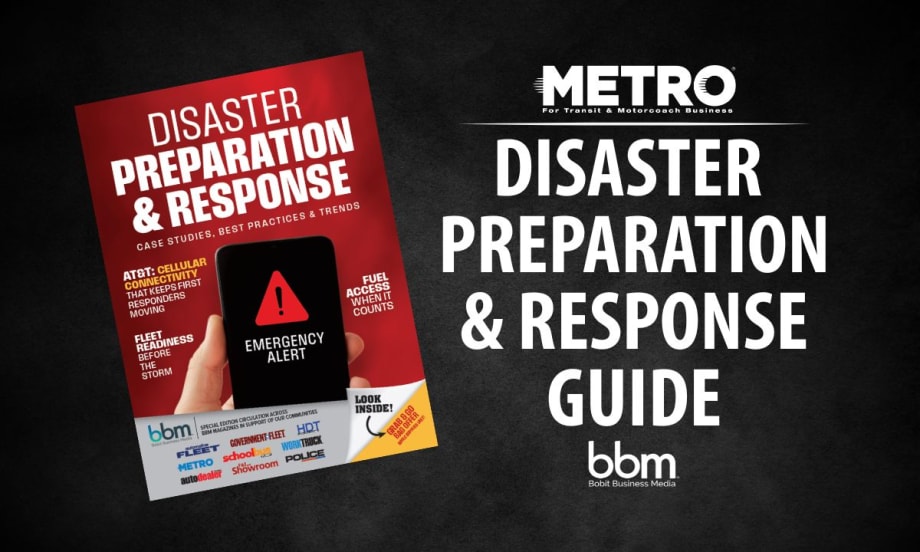
Published by METRO and supported by Bobit Business Media, the guide delivers operational strategies for proactive emergency planning across many fleet environments, including urban transit systems and long-distance coach operations.
Photo: METRO
With natural disasters growing in frequency and severity, transit and motorcoach operators are under increasing pressure to ensure safety and continuity of service in crises. A new industry resource — the Disaster Preparation & Response Guide — is now available to help public transit and motorcoach fleet managers protect passengers, staff, and vehicles during emergencies such as severe weather, power outages, or evacuation events.
Published by METRO and supported by Bobit Business Media, the guide delivers operational strategies for proactive emergency planning across many fleet environments, including urban transit systems and long-distance coach operations.
“Disasters don’t wait for the schedule to clear,” said Lauren Fletcher, VP of content at Bobit Business Media. “Passenger and operator safety depends on how well fleets prepare in advance. This guide gives transit and motorcoach teams the structure and tools to respond decisively, because effective emergency response starts with planning, not panic.”
Preparedness for Diesel, Hybrid, and Electric Fleets
Whether managing transit buses, paratransit vehicles, or charter coaches, the guide provides practical, role-based checklists and response protocols. It covers key areas including:
Asset staging and vehicle protection in advance of storms or wildfires.
Alternate routing strategies and detour planning during evacuations.
Emergency shutdown procedures for electric vehicle chargers.
Facility and equipment relocation tactics to minimize service disruption.
Training frameworks for operators, dispatchers, and support personnel.
Communication planning for public alerts, agency coordination, and customer updates.
Built for Transit and Coach Resilience
While the guide draws on cross-sector best practices, its content is especially valuable for public transit systems and motorcoach companies looking to enhance operational readiness.
From regional commuter services to long-haul charter providers, operators will find actionable insights to align with local, state, and federal emergency protocols.
Fleet managers seeking to build business continuity plans or integrate emergency preparedness into daily operations will benefit from the guide’s step-by-step approach and ready-to-use templates.
Free Download Available
The Disaster Preparation & Response Guide is available now at www.disasterresponseguide.com, along with additional downloadable tools and checklists.
For transit and motorcoach operators, disaster response starts with operational readiness. This guide offers a roadmap to prepare fleets before the next crisis hits.
More Security and Safety

FTA Launches 'Transit Moves America' Dashboard to Highlight Agency Safety and Performance
The online dashboard transforms National Transit Database information into a public-facing resource that allows users to compare transit agencies on key operational and safety metrics.
Read More →
LA Metro Marks Banner Year, Sets Ambitious Goals for New Fiscal Year
Incoming LA Metro Board Chair and Los Angeles Mayor Karen Bass joined outgoing Board Chair Fernando Dutra and LA Metro CEO Stephanie Wiggins to review accomplishments from fiscal year 2026, which included the opening of new rail extensions, advancement of major transit projects, expanded safety programs, and new rider amenities.
Read More →
Building the Next Generation of Transit Technology
In this edition of METROspectives, Luminator CEO Magnus Friberg discusses the company's transformation, the growing role of AI and software, and what's next for transit technology.
Read More →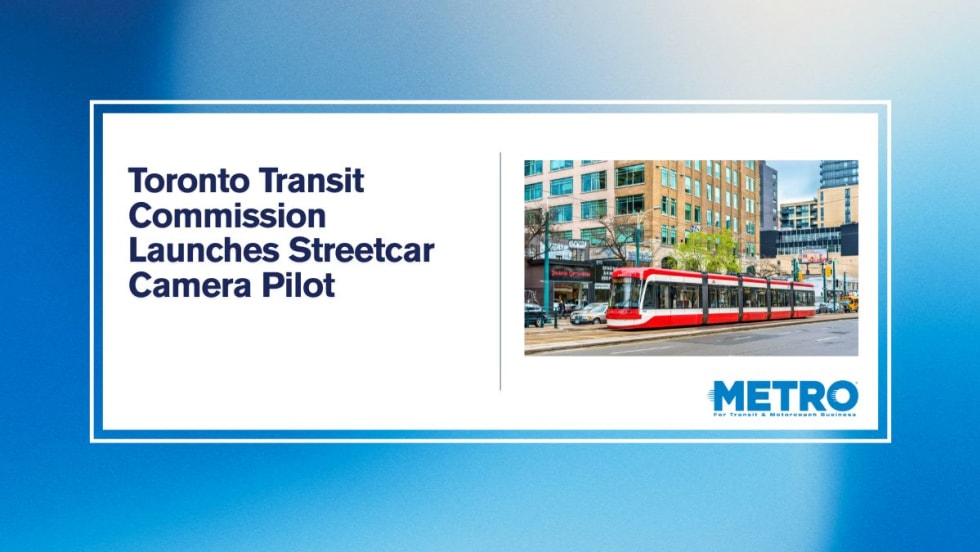
TTC Launches Camera Pilot to Curb Illegal Passing of Streetcars
During the pilot, the cameras will measure how often illegal streetcar passing occurs and test the technology's reliability for future automated enforcement.
Read More →
Biz Briefs: Masabi Teams with St. Louis Metro and More
In METRO's latest installment, we take a look at recent news from Transdev, Hitachi, and more partnerships making headlines across the transportation sector.
Read More →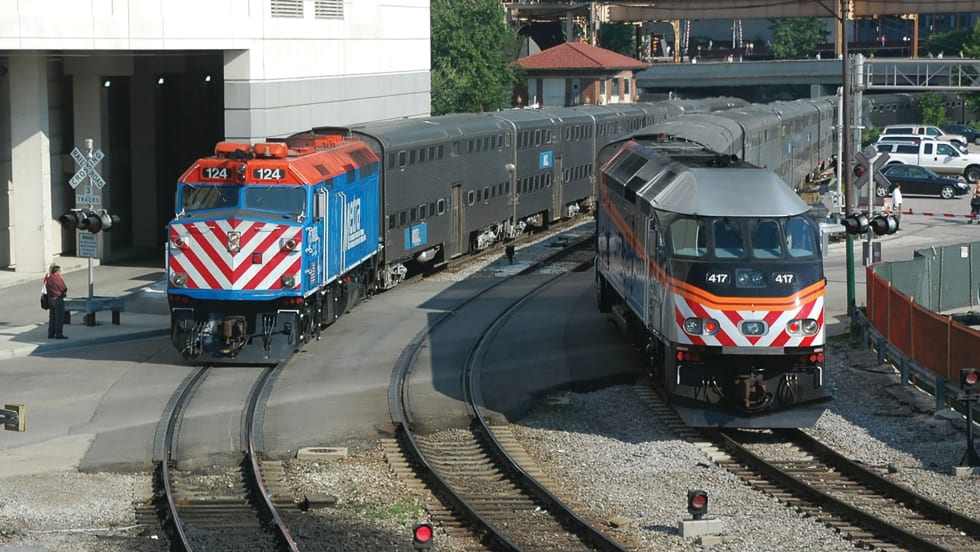
Metra Begins Drone Pilot Project to Boost Safety and Security
The project is funded through a $620,000 grant from FEMA’s Transit Security Grant Program, which provides transit agencies with funding for projects intended to protect critical transportation infrastructure and the traveling public.
Read More →
Building the Next Generation of Transit Technology
In this edition of METROspectives, Luminator CEO Magnus Friberg discusses the company's transformation, the growing role of AI and software, and what's next for transit technology.
Read More →
APTA Recognizes Excellence in Rail Safety and Security at 2026 Rail Conference
Nominations are evaluated on four criteria: effectiveness, benefit level, innovation, and transferability.
Read More →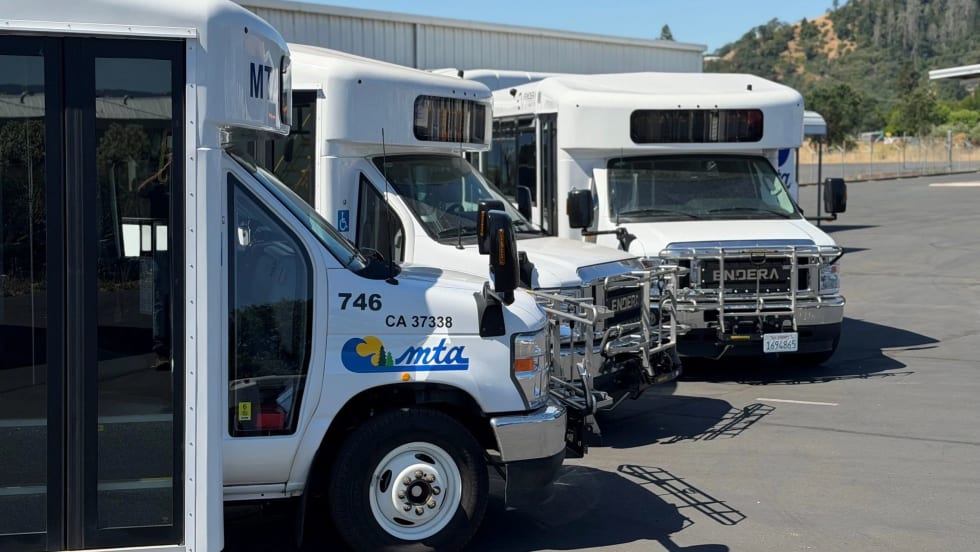
Biz Briefs: Endera Delivers to California, Safety Vision Teams with San Antonio's VIA, and More
From manufacturers and suppliers to transit agencies and motorcoach operators, these updates offer a snapshot of the projects, partnerships and business moves driving the industry forward.
Read More →
The Role of AI in Public Safety for Smart Transit Systems
As transit systems generate more data than ever, AI-powered safety tools are helping agencies detect incidents faster, improve response times and enhance situational awareness.
Read More →