




RELATED: WMATA launches plan to get rail line 'back to good'
New mobility website to track Washington, D.C. traffic congestion
The dynamic web tool shows the District’s state of mobility for surface transportation modes and outlines DDOT’s recommendations for managing and operating built infrastructure to meet growing demand.
February 15, 2017

Architect of the Capitol's Office
2 min to read

Architect of the Capitol's Office
As part of an effort to clearly communicate how the District's transportation system is performing, the District Department of Transportation (DDOT) launched the District Mobility website.
District Mobility is a dynamic web tool that shows the District’s state of mobility for surface transportation modes and outlines DDOT’s recommendations for managing and operating built infrastructure to meet growing demand.
“The goal of the District Mobility Project is to better quantify and qualify the state of the District’s transportation system performance from a holistic, multimodal perspective,” said DDOT Director Leif Dormsjo. “The interactive, data-rich design of District Mobility provides an innovative platform for sharing the state of mobility and DDOT’s progress towards reducing congestion on our roads.”
District Mobility is part of the ongoing District Mobility Project. The project was established to increase understanding of mobility issues and define a program of improvements to address them. It builds on national advances in transportation system performance management to track trends in congestion and travel-time reliability, among other key system performance metrics.
The District Mobility Project leverages transportation data for multiple modes (walking, bicycling, transit, and driving) to inform DDOT’s short- and long-term investment strategies. The metrics, data, and recommendations developed through the District Mobility Project are presented in both the District Mobility website and a District Mobility Report.
"The District has a diverse, multimodal transportation network that serves District residents, regional commuters, and tourists from around the world,” said Project Manager Stephanie Dock. “District Mobility is arranged into a series of stories describing the people who travel in DC, the transportation modes that they use to move around, and how they experience different aspects of congestion and mobility. Interactive maps allow website users to see how transportation demand in the District changes over the course of a day and how those changes impact all modes."
By highlighting areas with high congestion, low reliability, and poor accessibility, District Mobility shows where DDOT will target near-term investments to improve multimodal mobility.
More New Mobility

ENC Unveils ZAVIR Medium-Duty Electric Shuttle at APTA EXPO
The new ZAVIR brand targets shuttle and paratransit operations with battery-electric and range-extended electric vehicle options.
Read More →
Public Transit Conference Returning to GFX in 2027, Call for Papers Now Open
The Call for Papers is now open, allowing transit agency professionals and industry experts to help shape the PTC educational program by submitting session ideas for consideration.
Read More →
Everett Transit, Community Transit Outline Consolidation Agreement
The proposed agreement calls for a 50% increase in bus service in Everett, a new microtransit zone, continued paratransit service, and the transfer of Everett Transit operations to Community Transit.
Read More →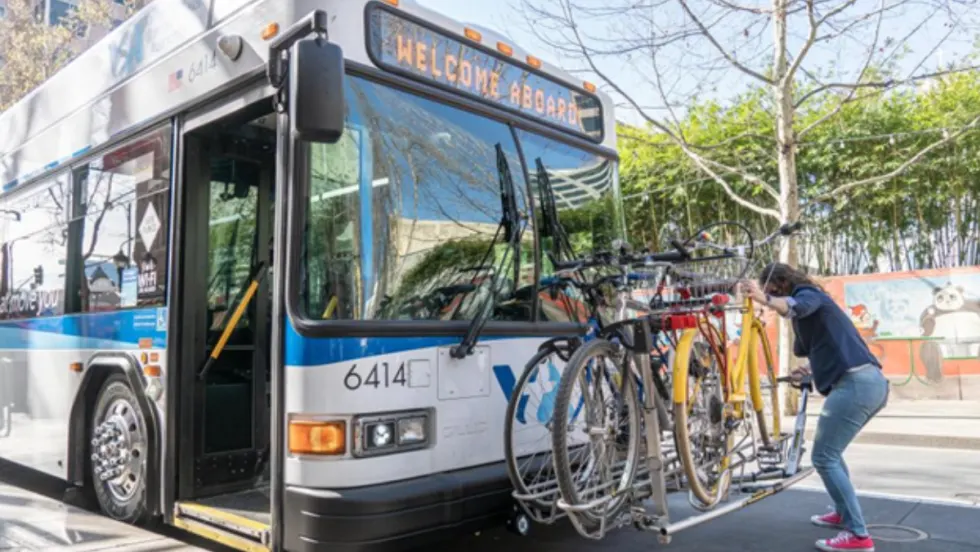
What Multimodal Data Can Tell Transit Agencies About Rider Demand
See how bike-on-bus data is giving transit agencies new insight into rider demand, capacity constraints, and gaps in first- and last-mile connections.
Read More →
From Hardware to Digital Partner: Luminator Charts Its Next Chapter
CEO Magnus Friberg discusses Luminator’s shift toward becoming a digital partner, the growing importance of software and interoperability, and how AI can help agencies improve operations and passenger experience.
Read More →
Biz Briefs: Alstom Lands Canadian Contract, LYT to Supply California TSP, and More
In METRO's latest installment, we take a look at recent news from Complete Coach Works, Beep, FlixBus, and more partnerships making headlines across the transportation sector.
Read More →
CharterUP’s Armir Harris on Technology, AI, and the Future of Group Mobility
In a recent episode of METROspectives, CharterUP Founder/CEO Armir Harris discussed the company’s evolution from an online charter bus marketplace into a technology platform supporting public- and private-sector mobility and much more.
Read More →
Jacksonville’s NAVI Project Charts a New Course for Autonomous Public Transportation
Through its NAVI program, JTA is showing how autonomous vehicles, intelligent infrastructure, and coordinated operations can work together to deliver everyday public transportation.
Read More →
Biz Briefs: Luminator Marks Milestone and More
From manufacturers and suppliers to transit agencies and motorcoach operators, these updates offer a snapshot of the projects, partnerships and business moves driving the industry forward.
Read More →
New Tricks for Old Bureaucracies: Joshua Schank on Making Transit Innovation Stick
Former LA Metro Chief Innovation Officer Joshua Schank discusses why good ideas aren't enough, how transit agencies can overcome resistance to change, and why today's challenges demand more innovation.
Read More →