



New York City Transit marks progress to safely speed up train service
Since the late summer of 2018, a safety committee has approved increases to speed limits at more than 100 locations.

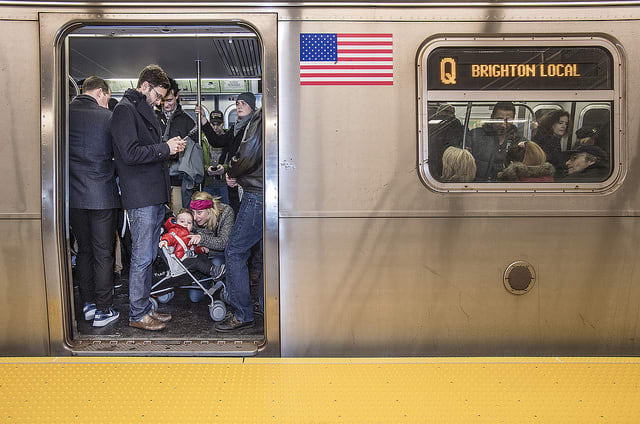
When eventually implemented throughout the entirety of the system, these speed limit increases will manifest as tangible, noticeable improvements to commute times for many subway users.
PatrickCashin
When eventually implemented throughout the entirety of the system, these speed limit increases will manifest as tangible, noticeable improvements to commute times for many subway users.
PatrickCashin
MTA New York City Transit announced new progress in the organization’s continued efforts to safely increase subway speed limits and move customers more quickly throughout the system. In total since the late summer of 2018, as part of the Save Safe Seconds Campaign, a safety committee has approved increases to speed limits at more than 100 locations, and the agency has implemented more than 50 of them.
The increases follow recently announced dramatic improvements in service showing, including a 50% reduction in major incidents and a 32% rise in on-time performance systemwide.
More than 20 new locations have received speed limit increases since the last update announcement on this program on January 21. When eventually implemented throughout the entirety of the system, these speed limit increases will manifest as tangible, noticeable improvements to commute times for many subway users.
To identify areas in the system through which trains can safely pass at higher speeds, a special team known as the “SPEED Unit” — which stands for Subway Performance Evaluation, Education, and Development — was assembled in 2018. That group, made up of NYC Transit employees with various specialties and established in tandem with union officials, has traversed almost every mile of track over the last several months. The team conducts various tests to determine whether or not certain segments of track might be able to support higher speeds than currently permitted, without compromising existing standards for safety and passenger comfort.
In addition to testing for raising speed limits, the SPEED Unit is also tasked with testing the accuracy of speed regulating signals called "grade time signals" or "timer signals," with more than 95% of some 2,000 such signals tested since the initiative began in summer 2018. Approximately 350 faulty timer signals have been discovered, and 105 of them have been recalibrated so far in what amounts to very labor-intensive work to inspect, diagnose, and repair or replace numerous possible pieces of equipment during times of exclusive track access for workers such as weekends or nights.
The safety committee reviewing speed limit increases includes members of NYC Transit’s Office of System Safety, as well as other personnel who work on operations planning, service delivery, and track and signal maintenance and repair.
The NYC subway system was built more than 100 years ago and early on in its existence, in order to provide for safe operations, various measures were put in place to ensure that trains were not going faster than the conditions they could handle. These measures ensure sufficient stopping distance for the braking capacity to a train ahead. They also provide for safe operation at switching points, on curves and grades, and when approaching a train stopped in a station.
One simple measure was placing “civil speed restrictions” — essentially just speed limits and signs, just like the ones drivers see on highways and roads — at various locations that that require reduced speeds throughout the system. The speed limits were designed to consider the operating characteristics of the trains that were in service at the time as well as track geometry.
Another measure involved the use of “grade time signals” or “timer signals” — signals connected to timing devices set to trip a train’s emergency brakes if the train passes at a higher speed than allowed. This fail-safe system ensures safety by stopping a train if it goes too fast at a fixed point.
Over the decades, car design and track geometry have improved, allowing cars to maintain stability and safe operation at higher speeds, but the speed limits were not always changed to reflect these advancements in safety and comfort. Meanwhile, timer signals continued to be installed throughout the subway system, with an uptick after two fatal crashes in the 1990s — one at Union Square and one on the Williamsburg Bridge. Eventually, the number of timer signals grew to approximately 2,000 system-wide.
Over time, a number of these signals came to become overly restrictive due to a number of reasons, including wear and tear and the fact that rail replacements that did not restore timer equipment with complete precision could cause the equipment to become overly restrictive. This can cause trains to operate at slower speeds than they were actually intended and allowed to safely go. Over time, both safety measures — which have been extremely effective at their intended goal of preventing accidents — had the unintended consequence of slowing some trips and causing delays by forcing trains to go slower than safely able or allowed.
The SPEED Unit was formed in summer 2018 to address these issues, as part of the Save Safe Seconds campaign launched by NYC Transit President Andy Byford and led by Senior Vice President for Subways Sally Librera.
More Rail
New York MTA Launches Historic $1.9B Signal, Track Modernization Project
Funded in part by congestion pricing revenue, the project will replace nearly century-old signals along the A and C lines in Brooklyn and Queens.
Read More →
LA Metro Breaks Ground on East San Fernando Valley Light Rail Project
The 6.7-mile line will add 11 stations along Van Nuys Boulevard, expand access to jobs and regional transit connections, and support Metro’s broader efforts to improve mobility as rail ridership grows.
Read More →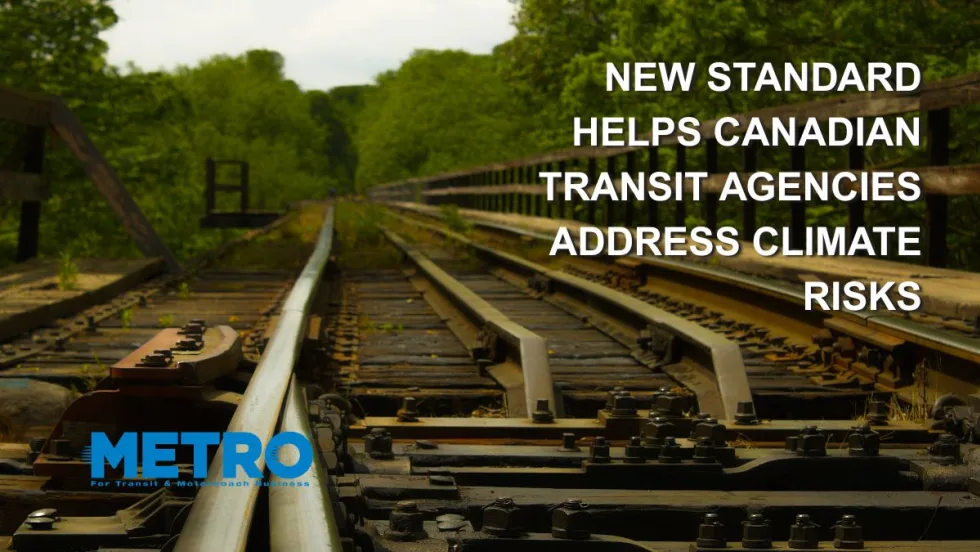
CSA Group Releases Climate Resilience Standard for Transit, Passenger Rail
Developed with support from the Standards Council of Canada, CSA D700 guides assessing climate-related risks and planning adaptation measures for transit and passenger rail systems.
Read More →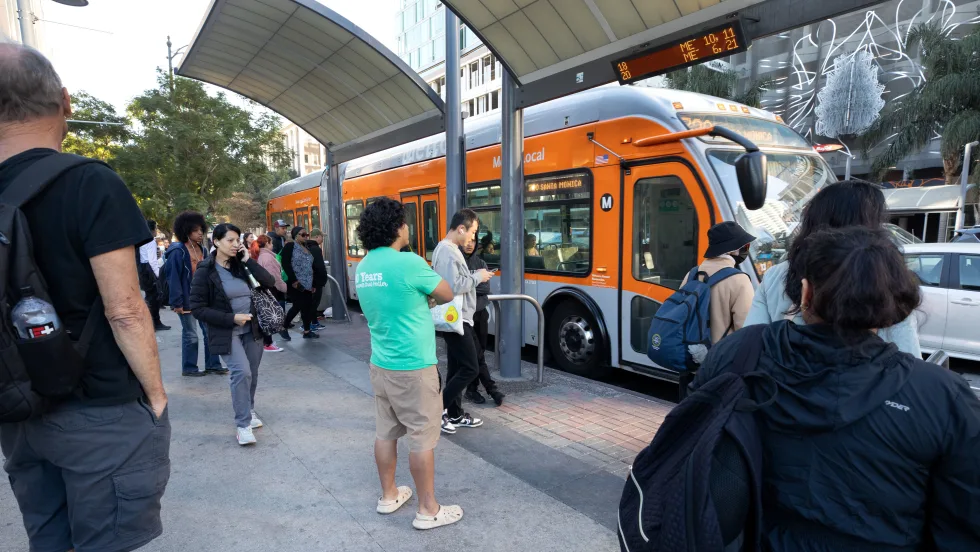
LA Metro September Ridership Climbs 3.9%, Led by Rail Growth
The agency recorded more than 27.2 million boardings, with rail ridership increasing 12.4% year over year and the D Line posting the largest gains.
Read More →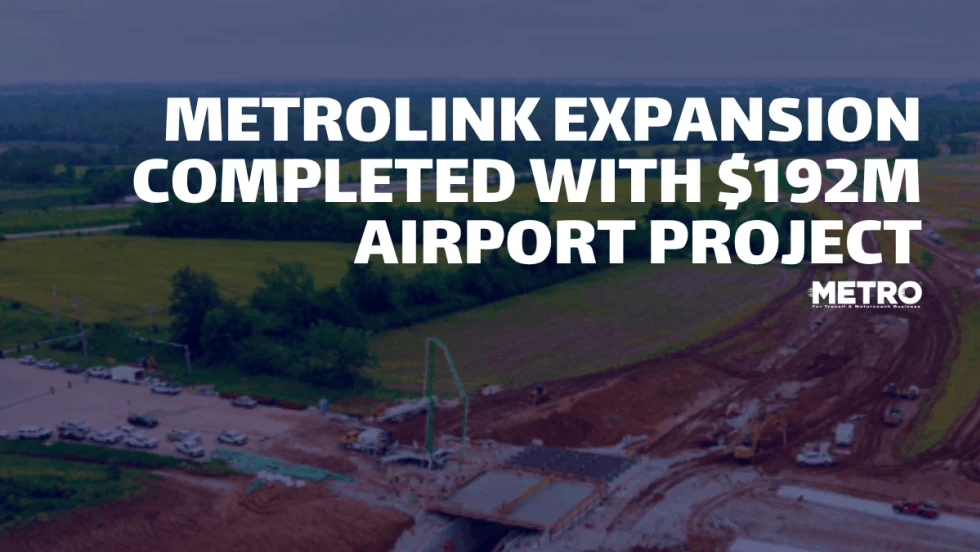
First Full MetroLink Rail Expansion Completed in 20 Years with $192M Airport Project
The project links two St. Louis-area airports by light rail while adding roadway and bike trail connections to improve regional access and mobility.
Read More →
Utilimarc Launches SmartReplace to Optimize Fleet Replacement Decisions
AI-powered SmartReplace helps fleets prioritize vehicle replacements, model budget scenarios, and build more defensible long-term strategies.
Read More →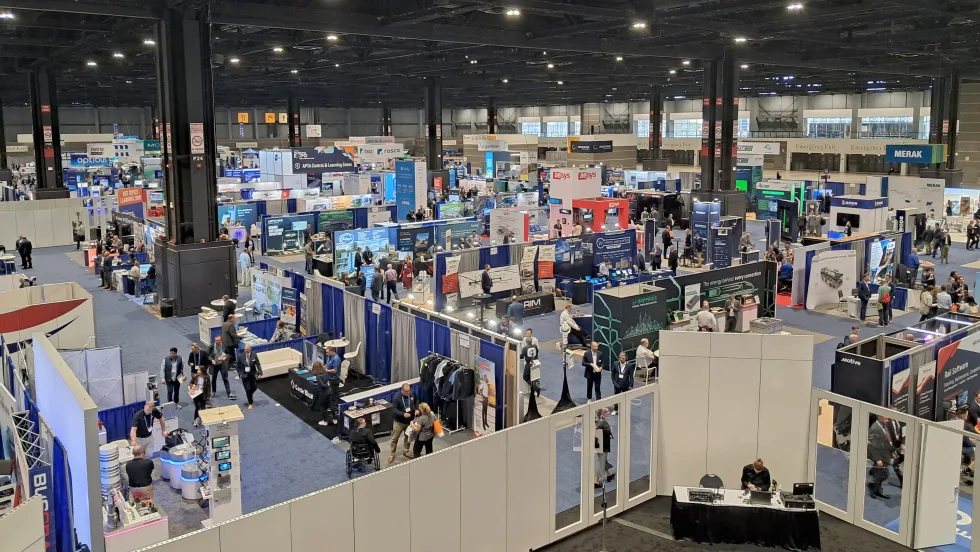
Scenes from APTA TRANSform & EXPO 2026
Transit leaders, manufacturers, and industry professionals gathered in Chicago to explore new technologies, share ideas, and discuss the future of public transportation.
Read More →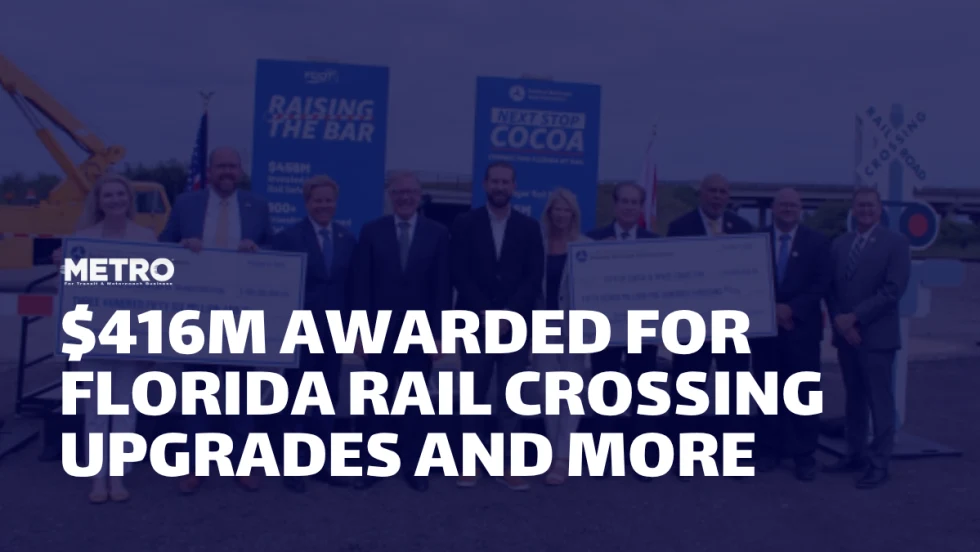
USDOT Awards $416 Million for Florida Rail Crossing Safety Upgrades, New Brightline Station
The projects aim to reduce risks for motorists and pedestrians at rail crossings while expanding passenger rail access along Florida’s Space Coast.
Read More →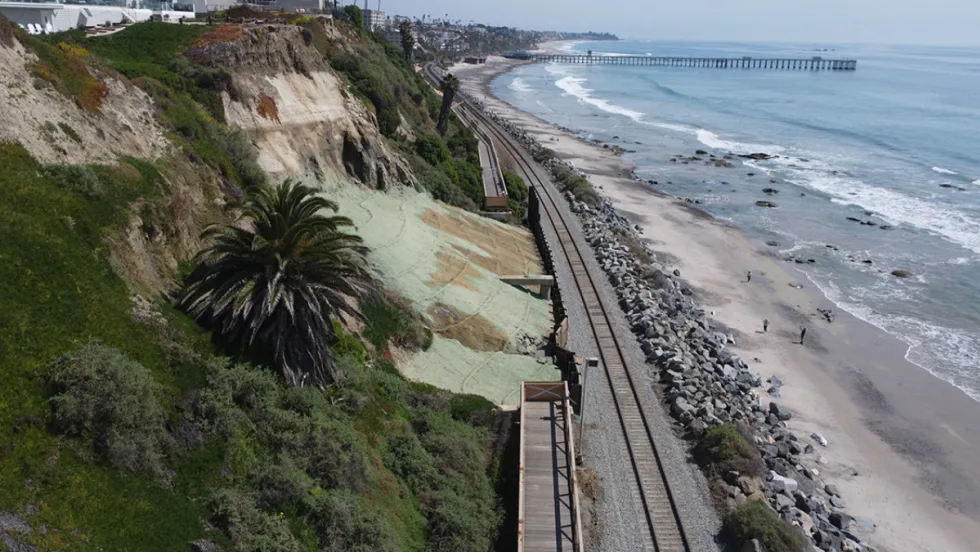
OCTA Declares Emergency to Protect Rail Corridor From Coastal Erosion
The California agency is accelerating shoreline protection and plans to place approximately 690,000 cubic yards of sand along the San Clemente coast to protect a key passenger and freight rail link.
Read More →
More Than a Summer Job: Building the Next Generation of Transit Talent
The Delaware River Port Authority and PATCO have transformed their internship program into a hands-on professional development experience that introduces students to the breadth of transportation careers — and creates a pipeline for future employees.
Read More →