



New York MTA to distribute 75K masks to frontline workers
Personal protective equipment, including masks, continues to be mandatory for certain positions and duties across the agency and will continue to be provided in these instances.

Marc A. Hermann
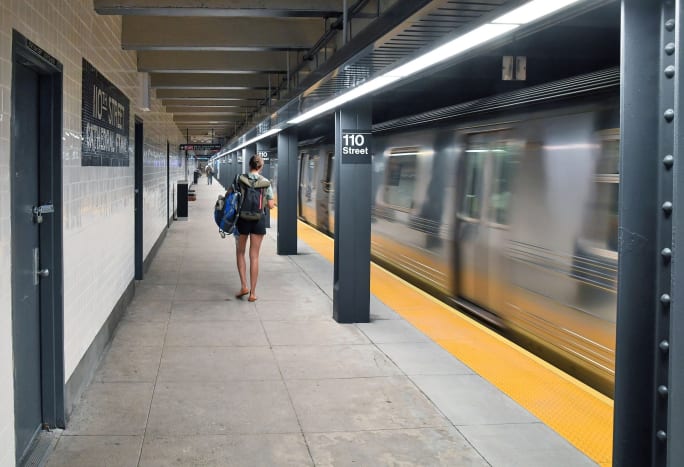
Over the past few weeks, the MTA has implemented rear-door boarding to protect bus operators and limited cash transactions at subway station booths to protect station agents. Marc A. Hermann
New York’s Metropolitan Transportation Authority (MTA) has secured 75,000 masks to be distributed to its workforce. The supply, which will be distributed to New York City Transit, MTA Bus Co., Long Island Rail Road, Metro-North Railroad, and MTA Bridges and Tunnels, is expected to increase allowing weekly replenishment. The plan for distribution of masks is being finalized in coming days. Medical guidance continues to be that masks are not recommended as protection against COVID-19, however, masks will be made available to employees who choose to wear them.
Personal protective equipment, including masks, continues to be mandatory for certain positions and duties across the agency and will continue to be provided in these instances. For other employees, this equipment will be distributed to employees as it is made available at this time and in accordance with the plans to be developed by the agencies, as there is a nationwide shortage of masks.
“Medical guidance on this issue remains the same — masks offer protection only for those who are ill, and only in prevention of their spreading of the virus,” said Patrick J. Foye, MTA chairman and CEO. “That said, I know wearing a mask at this uncertain time offers additional comfort to many of our employees, and I am grateful we are able to provide that. We are hopeful we can continue to make some number of masks available to our workers, but are acutely aware of the ongoing global mask shortage and the critical need in the healthcare industry for these supplies. The men and women of the MTA are absolute heroes for the work they continue to do day in and day out during this crisis."
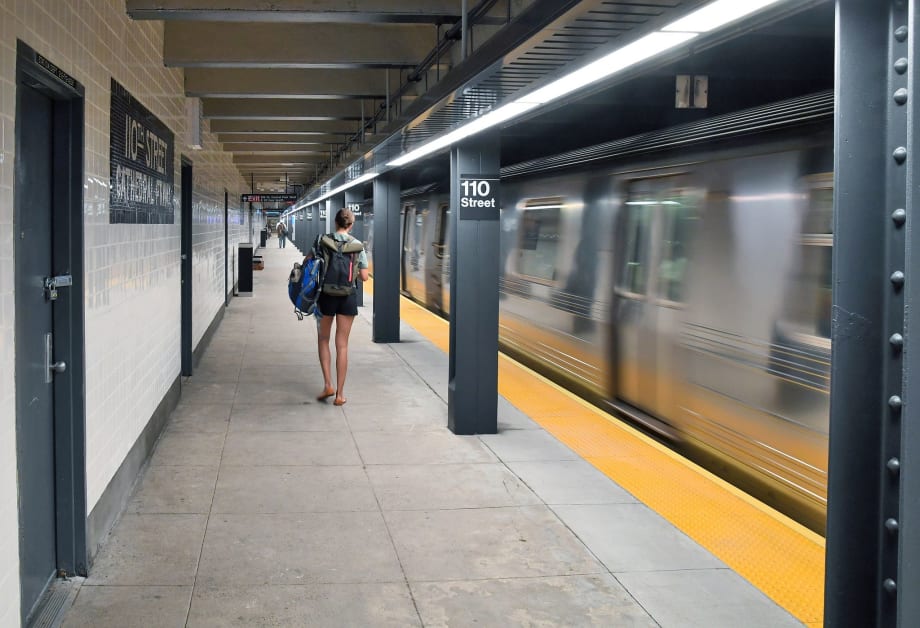
The MTA is taking every measure to protect its frontline workers against the novel coronavirus (COVID-19). Over the past few weeks, the MTA has implemented rear-door boarding to protect bus operators and limited cash transactions at subway station booths to protect station agents.
This week, every agency launched their NY Essential Service Plans, modified schedules to reduce the number of work crews. This measure provides critical flexibility in scheduling that allows for a reduction in needed crews. The MTA continues to direct employees who feel sick to stay home and is using extreme caution in ensuring that workers who came into close contact with potential cases self-quarantine, while immediately disinfecting their workspaces. The MTA’s top priority during this public health crisis is the safety of its 74,000 employees.
More Security and Safety

Transit Agencies Highlight Safety Gains at National Summit
Leaders from 15 major transit systems shared crime-reduction results and safety initiatives while discussing the role of continued federal support.
Read More →
DART Launches Major Security, Fare Enforcement Initiative
The 90-day demonstration will deploy coordinated security teams at five light rail stations while testing controlled access and gathering data to guide future investments.
Read More →
RTD Launches NextRide App to Consolidate Trip Planning, Fares, Security Reporting
The app expands on RTD’s existing NextRide web application and allows customers to view real-time vehicle locations and service alerts, purchase and store digital fares, and access customer support.
Read More →

TAPTCO Updates OSHA Compliance Training for Transit Maintenance Operations
The revamped program addresses 26 OSHA standards for maintenance facilities, with TAPTCO pointing to training, documentation, and everyday shop hazards as continuing challenges for transit operations.
Read More →
How VaporVision Adds Value to Transit Door Systems
Wabtec engineers explain how the system improves doorway detection, strengthens diagnostics and gives transit agencies and OEMs greater operating flexibility.
Read More →
FRA Announces $5.3B in Rail Investments, Including $2B for Amtrak
Funding will support grade-crossing improvements, infrastructure upgrades, and new Amtrak equipment in 23 states.
Read More →
Chicago, Maryland Expand Non-Law-Enforcement Safety, Rider Support
The CTA and MTA are launching new programs aimed at de-escalation, crisis response, rider assistance, and greater transparency.
Read More →
LA Metro, City of West Hollywood, and Partners Advance Smarter Bus Lane Enforcement
The award-winning partnership combines AI-powered detection with human oversight to improve bus reliability, accessibility, and enforcement efficiency.
Read More →
LA Metro Reports 57% Decline in Homelessness on Transit System Since 2024
The agency's latest homelessness count offers new data on how care-based services and cross-sector partnerships can complement traditional transit security strategies.
Read More →
FTA Launches 'Transit Moves America' Dashboard to Highlight Agency Safety and Performance
The online dashboard transforms National Transit Database information into a public-facing resource that allows users to compare transit agencies on key operational and safety metrics.
Read More →