



NJ TRANSIT graduates set to help fill locomotive engineer gap
The 12 trainees completed the 24 weeks of formal classroom instruction and passed extensive testing.

Gov. Phil Murphy and NJ TRANSIT Executive Director Kevin Corbett recognized NJ TRANSIT’s latest Locomotive Engineer Training Class for passing and graduating the Northeast Operating Rules Advisory Committee (NORAC) and physical characteristics exams. The Governor presented each trainee with a certificate of achievement, as the class wraps up its final days of on-the-job training.
The 12 trainees completed the 24 weeks of formal classroom instruction and passed extensive testing, including a final exam of nearly 800 questions. The soon-to-be graduates are near the end of the final stage of the 78-week-long program. Later this month, each trainee will have to qualify on their division to become certified and qualified locomotive engineers.
“The trainees here today are the first cohort of an expanded engineering corps, charged with the great task of moving our residents and commuters safely and reliably across our state every day,” said Governor Murphy. “These trainees have had to digest an immense amount of complex information and pass rigorous exams.
The completion of this class at the end of the month will help fulfill the agency’s commitment of training and hiring more locomotive engineers. NJ TRANSIT has increased the number of engineer training classes to a record-setting seven classes running concurrently. There are four engineer classes set to graduate in 2019.
More Rail
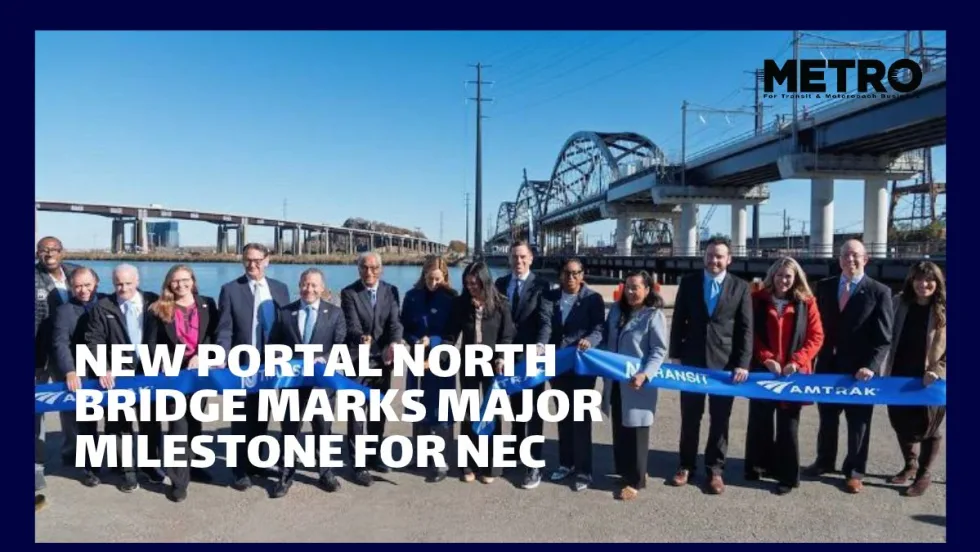
Amtrak, NJ TRANSIT Launch Full Service on New Portal North Bridge
The completion of the two-track bridge over the Hackensack River eliminates a longstanding source of delays for NJ TRANSIT and Amtrak customers. It marks a major milestone for the Gateway Program.
Read More →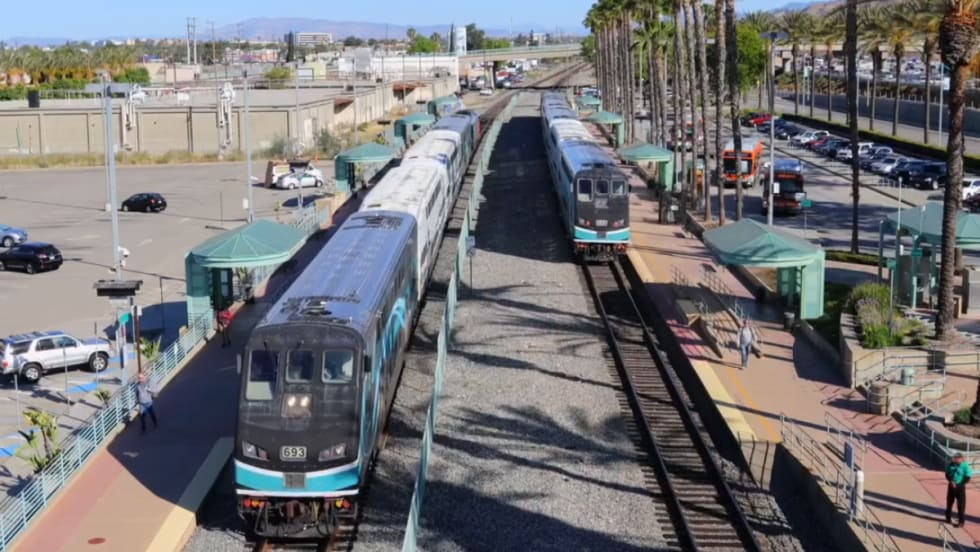
Southern California’s Metrolink Approves $508.8M Budget, Avoids Service Cuts
A $20 million state allocation allows the regional rail agency to maintain existing weekday and weekend service through fiscal year 2028, although longer-term funding challenges remain.
Read More →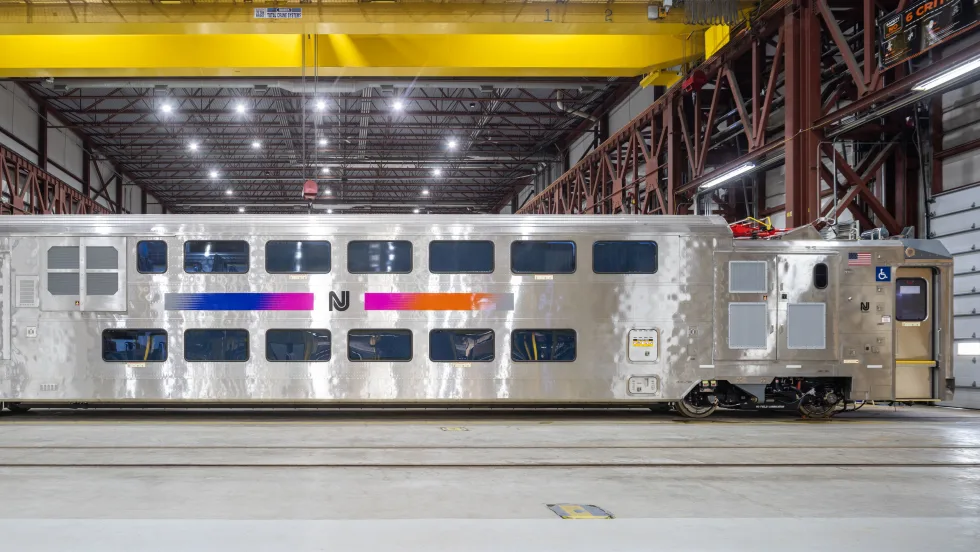
NJ TRANSIT Approves $65.6M for Hudson-Bergen Light Rail Improvements
The funding marks the first phase of a planned $250 million investment over five years to modernize stations, overhaul vehicles, and improve system reliability and passenger safety.
Read More →
STraffic Expands North American Presence with Fare Collection Technology
John Moon, Associate Director, Product Strategy at STraffic, discusses the company's growth in North America, its efforts to reduce fare evasion, and more.
Read More →
Study: Denver RTD Generates $2.1 Billion in Annual Economic Activity
An economic impact study finds the agency supports approximately 17,500 jobs, delivers $1.6 billion in annual community and mobility benefits, and generates $2.42 in economic value for every dollar invested.
Read More →
Mark Aesch Nominated to Lead Federal Transit Administration
The former Rochester transit chief and TransPro founder, who has also contributed to METRO Magazine, brings decades of industry experience and a focus on performance, accountability, and financial sustainability to the nomination.
Read More →
Transit Expands Agency Partnerships, Reaching 200 Official App Partners
COO Jake Sion discusses Transit’s growth, the success of its Transit Royale program, and how technology is helping agencies improve the rider experience.
Read More →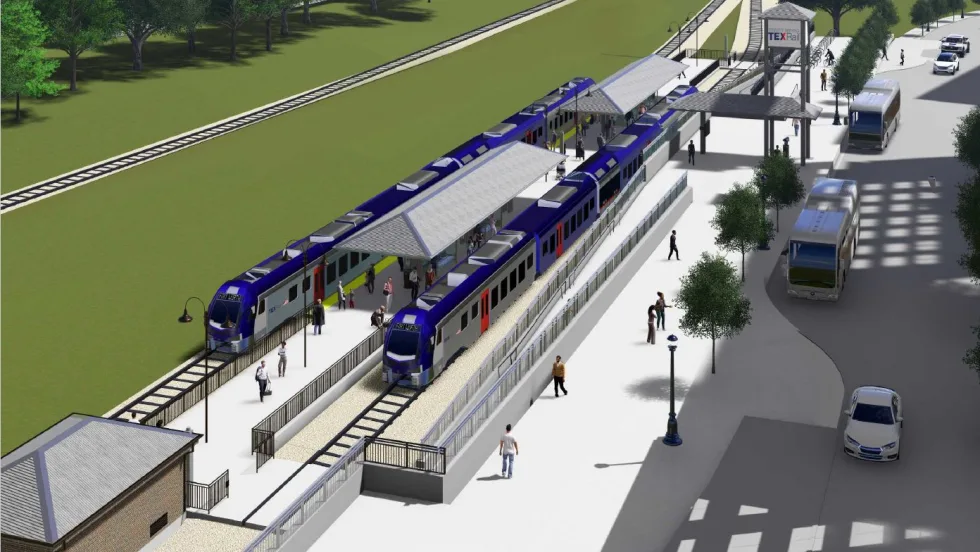
Trinity Metro Breaks Ground on $270M TEXRail Extension
The 2.1-mile extension will connect Fort Worth’s Medical District and Near Southside to downtown, surrounding communities, and Dallas-Fort Worth International Airport.
Read More →
Bringing Austin’s First Light Rail System to Life
Austin Transit Partnership CEO Greg Canally discusses the city's nearly 10-mile light rail project, its collaborative approach to project delivery, the importance of community engagement, and the milestones ahead as construction approaches in 2027.
Read More →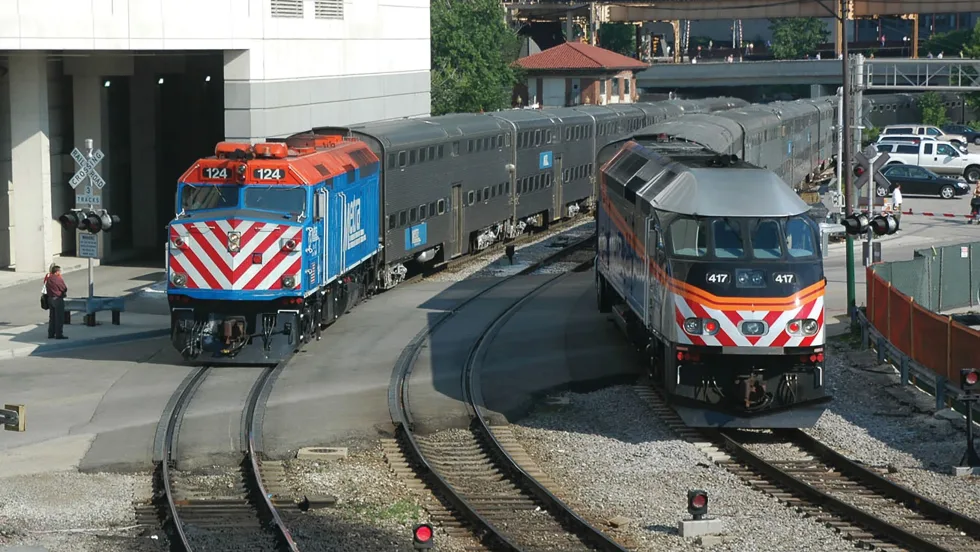
Metra Draft Plan Outlines Costs, Service Improvements for Regional Rail
The Systemwide Network Plan identifies infrastructure needs and potential investments to expand all-day, bidirectional rail service across the Chicago region.
Read More →