



NJ TRANSIT Piloting PPE Vending Machines
Face masks will be sold in several configurations, with a single three-ply disposable costing $1 and a 10-pack of KN95 masks selling for $25. Reusable fashion masks will also be sold.
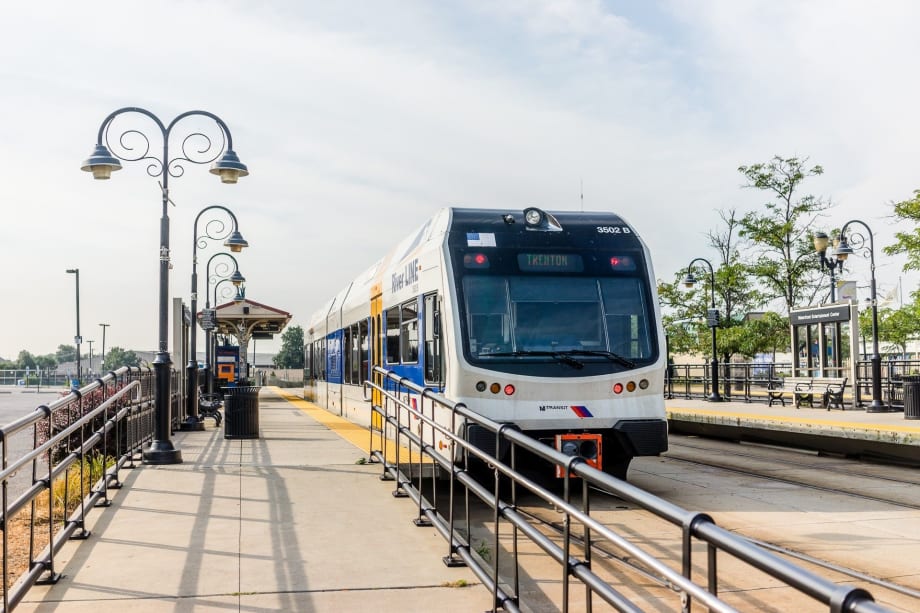
In the coming weeks, more PPE machines will be installed at Summit Station, Secaucus Junction, Metropark, Trenton Transit Center, and New Brunswick Station.
NJ TRANSIT
As an additional measure to protect customers and employees from the spread of COVID-19, NJ TRANSIT is introducing vending machines on a pilot basis to purchase Personal Protective Equipment (PPE) such as face masks, hand sanitizer, sanitized wipes, and disposable gloves at Newark Penn Station and Hoboken Terminal. The machines will also be installed at other select stations over the coming weeks.
“Since the onset of the COVID-19 pandemic, NJ TRANSIT has taken extraordinary measures to provide the safest possible travel environment for our customers and employees, and these new PPE vending machines serve as yet another example of our ongoing efforts,” said NJ TRANSIT President/CEO Kevin Corbett. “We want our customers to trust that we have prepared the safest and cleanest transit system possible for their return and will continue to work hard every day to keep it that way.”
One PPE vending machine will be installed at Newark Penn Station and one machine will be installed at Hoboken Terminal. Face masks will be sold in several configurations, with a single three-ply disposable costing $1 and a 10-pack of KN95 masks selling for $25. Reusable fashion masks will also be sold. Machines will accept cash or credit cards. The PPE machines are managed and stocked by a third-party vendor. They will be at the stations until the end of the year.
In the coming weeks, more PPE machines will be installed at Summit Station, Secaucus Junction, Metropark, Trenton Transit Center, and New Brunswick Station. They will be stocked with the same PPE options and remain through the end of the year.
Gov. Phil Murphy’s Executive Order 165 requires all staff and customers to wear face coverings on board all transit vehicles and inside all stations and facilities. Masks are also required on train platforms and bus stops when distancing is not possible. Eating and drinking are strictly prohibited on all transit vehicles.
More Security and Safety

Transit Agencies Highlight Safety Gains at National Summit
Leaders from 15 major transit systems shared crime-reduction results and safety initiatives while discussing the role of continued federal support.
Read More →
DART Launches Major Security, Fare Enforcement Initiative
The 90-day demonstration will deploy coordinated security teams at five light rail stations while testing controlled access and gathering data to guide future investments.
Read More →
RTD Launches NextRide App to Consolidate Trip Planning, Fares, Security Reporting
The app expands on RTD’s existing NextRide web application and allows customers to view real-time vehicle locations and service alerts, purchase and store digital fares, and access customer support.
Read More →

TAPTCO Updates OSHA Compliance Training for Transit Maintenance Operations
The revamped program addresses 26 OSHA standards for maintenance facilities, with TAPTCO pointing to training, documentation, and everyday shop hazards as continuing challenges for transit operations.
Read More →
How VaporVision Adds Value to Transit Door Systems
Wabtec engineers explain how the system improves doorway detection, strengthens diagnostics and gives transit agencies and OEMs greater operating flexibility.
Read More →
FRA Announces $5.3B in Rail Investments, Including $2B for Amtrak
Funding will support grade-crossing improvements, infrastructure upgrades, and new Amtrak equipment in 23 states.
Read More →
Chicago, Maryland Expand Non-Law-Enforcement Safety, Rider Support
The CTA and MTA are launching new programs aimed at de-escalation, crisis response, rider assistance, and greater transparency.
Read More →
LA Metro, City of West Hollywood, and Partners Advance Smarter Bus Lane Enforcement
The award-winning partnership combines AI-powered detection with human oversight to improve bus reliability, accessibility, and enforcement efficiency.
Read More →
LA Metro Reports 57% Decline in Homelessness on Transit System Since 2024
The agency's latest homelessness count offers new data on how care-based services and cross-sector partnerships can complement traditional transit security strategies.
Read More →
FTA Launches 'Transit Moves America' Dashboard to Highlight Agency Safety and Performance
The online dashboard transforms National Transit Database information into a public-facing resource that allows users to compare transit agencies on key operational and safety metrics.
Read More →