



NJ Transit rail station rebuild adds accessibility features
New high-level platforms provide accessibility to customers with disabilities. Agency also rebuilt elevator shafts, a pedestrian tunnel, tunnel stairs and exterior stairs to South Bridge Street, and installed closed-circuit television cameras, new ticket vending machines and electronic customer information signs.

NJ Transit marked the completion of major improvements to its Somerville Station, including high-level platforms that provide accessibility to customers with disabilities and amenities that make the station more convenient for all customers.
In March 2009, the NJ Transit board of directors authorized a $15.3 million contract with Terminal Construction Co. of Wood-Ridge, N.J., to rebuild the train station, including construction of two new 710-foot-long high-level platforms with canopies and heated shelters, a climate-controlled inbound waiting room with a ticket agent office and restrooms, two new elevator cabs, ramps, stairs and a head house for the pedestrian tunnel entrance.
In addition, the existing elevator shafts, pedestrian tunnel, tunnel stairs and exterior stairs to South Bridge Street were rebuilt. Closed-circuit television cameras, new ticket vending machines (TVMs) and electronic customer information signs were also installed.
NJ Transit designated Somerville Station as a key station under its Commuter Rail Accessibility Plan, which gave priority for accessibility projects to 35 key stations, based on location and usage. With the completion of Somerville Station improvements, accessibility upgrades have now been completed at 34 of the key stations, with work on the final key station — Ridgewood — to be completed this fall.
Today, 75 of NJ Transit’s 164 rail stations and 55 of its 61 light rail stations are accessible. When construction is finished on the final key station, 131 NJ Transit rail and light rail stations will comply with the Americans with Disabilities Act.
Located on the Raritan Valley Line, Somerville Station provides about 1,300 customer trips on a typical weekday.
More Paratransit

King County Metro Makes ADA Paratransit Easier to Navigate
METRO's Innovative Solutions Award winner replaces complex service-area descriptions with an accessible, interactive map that puts paratransit information directly in customers’ hands.
Read More →
Jacksonville’s NAVI Project Charts a New Course for Autonomous Public Transportation
Through its NAVI program, JTA is showing how autonomous vehicles, intelligent infrastructure, and coordinated operations can work together to deliver everyday public transportation.
Read More →
Driving Smarter Paratransit
John Hanlon shares how AlphaRoute is leveraging AI-powered technology to help paratransit providers optimize operations, support frontline staff, and enhance the rider experience.
Read More →
METRO Magazine Announces 2026 Innovative Solutions Awards Winners
Projects Recognized for Advancing Mobility Through Technology, Accessibility, Workforce Innovation, and Operational Excellence
Read More →
Biz Briefs: STV teams with Amtrak, Motorcoach Operators Boost Fleet and Land Contracts, and More
From manufacturers and suppliers to transit agencies and motorcoach operators, these updates offer a snapshot of the projects, partnerships and business moves driving the industry forward.
Read More →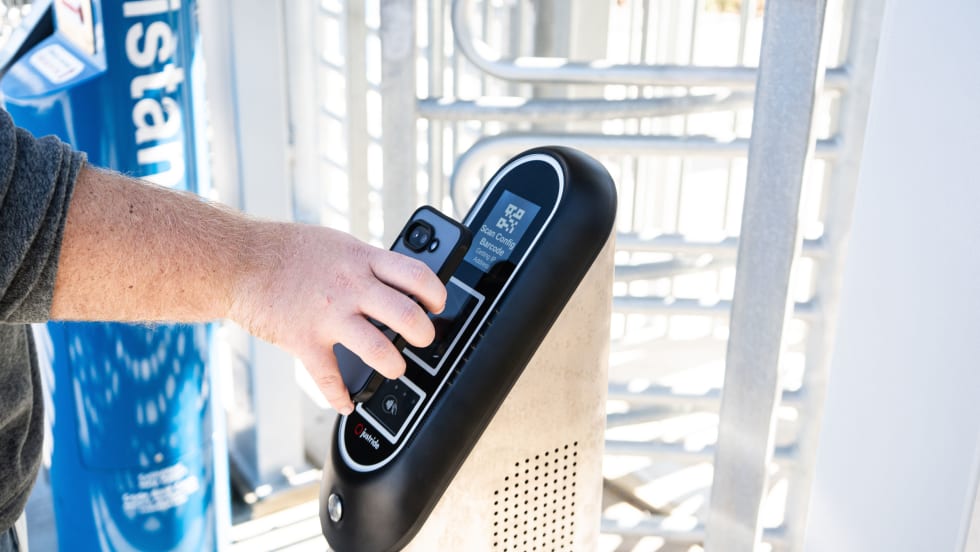
Biz Briefs: Masabi Teams with St. Louis Metro and More
In METRO's latest installment, we take a look at recent news from Transdev, Hitachi, and more partnerships making headlines across the transportation sector.
Read More →
New York MTA Leverages Zoning Program to Advance Station Accessibility
Accessibility enhancements at Nevins St Station will be financed through a development agreement tied to the MTA's Zoning for Accessibility initiative.
Read More →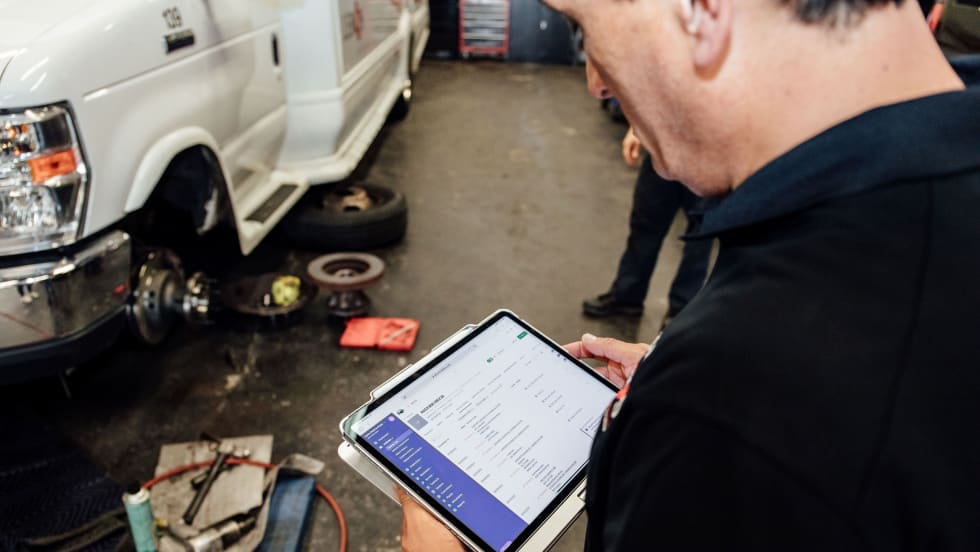
Reinventing Fleet Maintenance with Real-time Visibility and AI
Transit leaders need to know what needs fixing, where to look, who is responsible, when work is completed, and what it costs without having to chase information across disconnected systems.
Read More →
SamTrans Sets Priorities for Potential Connect Bay Area Revenue
The board-approved framework allocates future funding to maintaining service, rider improvements, equity initiatives, and infrastructure repairs.
Read More →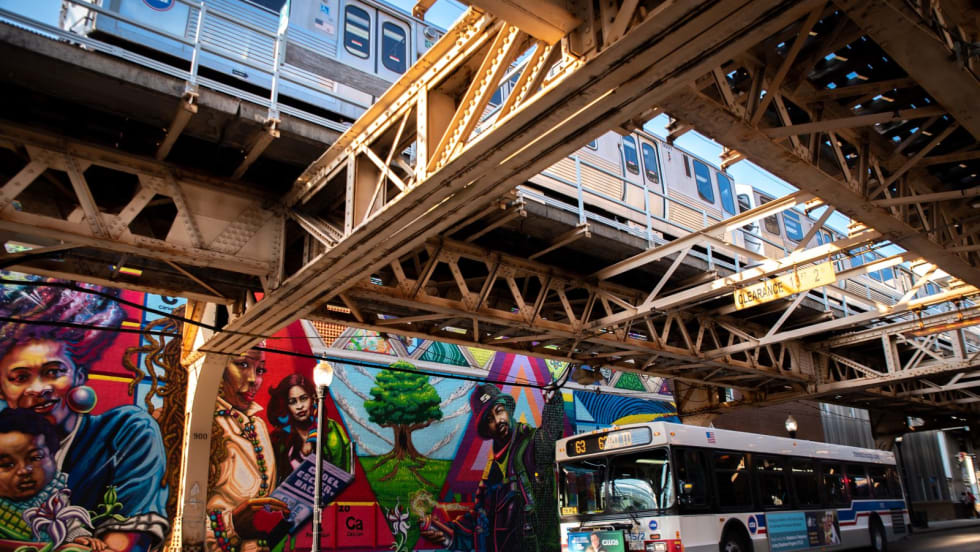
Chicago's NITA Act Moves Into Next Phase as Service Improvements Begin
Rider-focused improvements will begin rolling out across the system immediately as CTA, Metra, and Pace increase service this summer in the six-county region.
Read More →