



MTI Research Defines Transit Insecurity
The latest MTI research found several factors that contribute to transit insecurity.
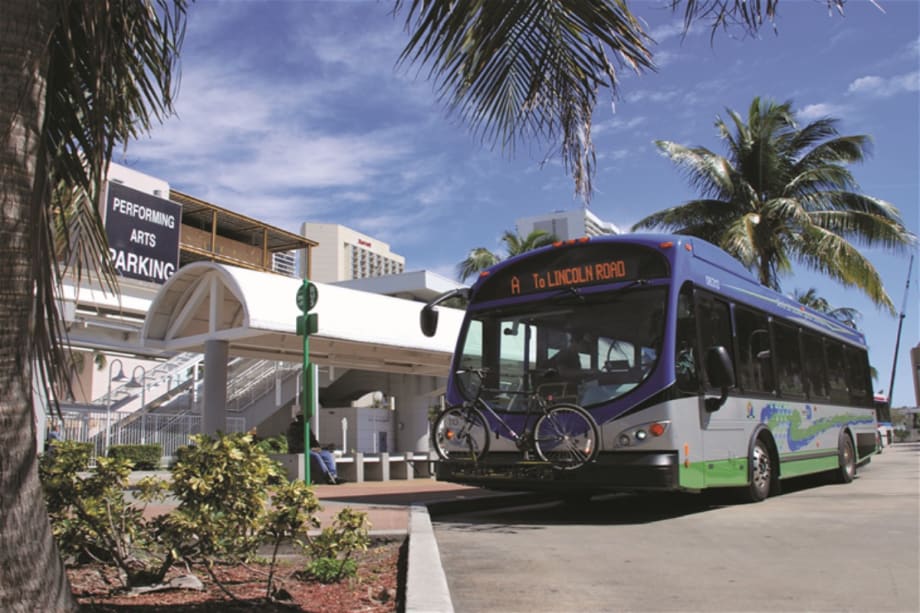
MTI presents the definition of “transit insecurity” as the inability to consistently access or afford reliable transportation.
Photo: FDOT
The latest Mineta Transportation Institute (MTI) research, No Ticket to Ride: A Systematic Definition of Transit Insecurity, found several factors that contribute to transit insecurity.
MTI used a systematic review of literature on transportation.
The review found these four primary factors that contribute to transit insecurity:
Income level
Several studies used in this research found transit insecurity to be more prevalent in lower income individuals or neighborhoods.
Travel distance
Several studies demonstrate the negative impacts that travel distance can have on an individual’s likelihood to make use of health services. For example, one study found that individuals with diabetes actually had higher glycemic levels when they lacked transportation access and were not able to visit health care facilities for treatment.
Travel duration
Similarly, multiple studies suggest that long travel time contributes to persons or communities being transit insecure, which can exacerbate negative health outcomes.
Accessibility
Several studies have shown that transit environments have not always been inclusive of individuals with cognitive impairments and individuals with disabilities.
“Along with the direct effects of inability to consistently access transit, we suspect that there are links between transit insecurity and other, more well-studied issues like food- and job-insecurity; we hope these links will become increasingly apparent with further research,” said Dr. Dan Nathan-Roberts, the study's author.
MTI presents the definition of “transit insecurity” as the inability to consistently access or afford reliable transportation. This leads to demonstrable negative impacts on a person or community.
More New Mobility

Public Transit Conference Returning to GFX in 2027, Call for Papers Now Open
The Call for Papers is now open, allowing transit agency professionals and industry experts to help shape the PTC educational program by submitting session ideas for consideration.
Read More →
Everett Transit, Community Transit Outline Consolidation Agreement
The proposed agreement calls for a 50% increase in bus service in Everett, a new microtransit zone, continued paratransit service, and the transfer of Everett Transit operations to Community Transit.
Read More →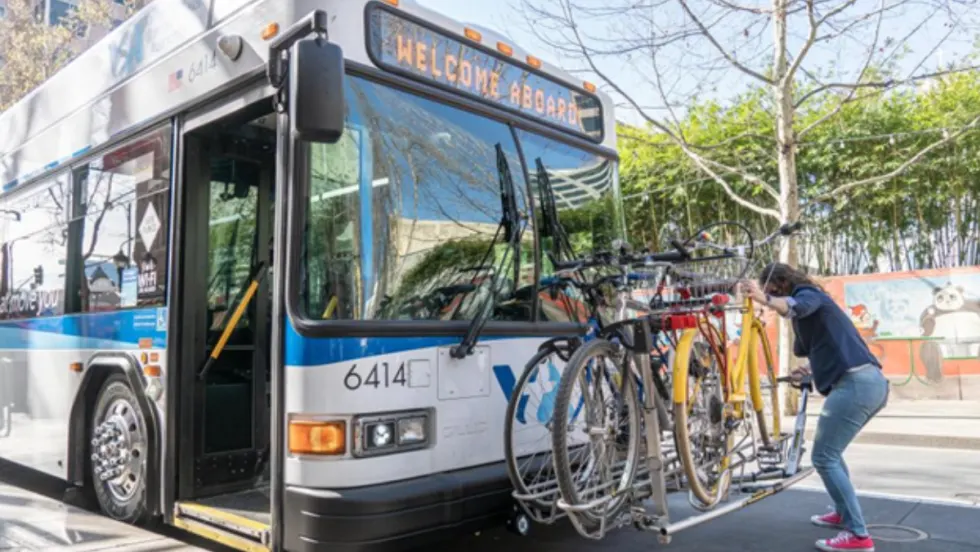
What Multimodal Data Can Tell Transit Agencies About Rider Demand
See how bike-on-bus data is giving transit agencies new insight into rider demand, capacity constraints, and gaps in first- and last-mile connections.
Read More →
From Hardware to Digital Partner: Luminator Charts Its Next Chapter
CEO Magnus Friberg discusses Luminator’s shift toward becoming a digital partner, the growing importance of software and interoperability, and how AI can help agencies improve operations and passenger experience.
Read More →
Biz Briefs: Alstom Lands Canadian Contract, LYT to Supply California TSP, and More
In METRO's latest installment, we take a look at recent news from Complete Coach Works, Beep, FlixBus, and more partnerships making headlines across the transportation sector.
Read More →
CharterUP’s Armir Harris on Technology, AI, and the Future of Group Mobility
In a recent episode of METROspectives, CharterUP Founder/CEO Armir Harris discussed the company’s evolution from an online charter bus marketplace into a technology platform supporting public- and private-sector mobility and much more.
Read More →
Jacksonville’s NAVI Project Charts a New Course for Autonomous Public Transportation
Through its NAVI program, JTA is showing how autonomous vehicles, intelligent infrastructure, and coordinated operations can work together to deliver everyday public transportation.
Read More →
Biz Briefs: Luminator Marks Milestone and More
From manufacturers and suppliers to transit agencies and motorcoach operators, these updates offer a snapshot of the projects, partnerships and business moves driving the industry forward.
Read More →
New Tricks for Old Bureaucracies: Joshua Schank on Making Transit Innovation Stick
Former LA Metro Chief Innovation Officer Joshua Schank discusses why good ideas aren't enough, how transit agencies can overcome resistance to change, and why today's challenges demand more innovation.
Read More →
How DART's GoPass Is Redefining Regional Mobility
Serving 14 transit agencies, GoPass simplifies multimodal travel by allowing riders to plan, pay for, and manage an entire trip through one app.
Read More →