



Nova Bus Advances Next-Gen Propulsion Systems for City Transit
Delivery of the units is slated to begin in late 2027.

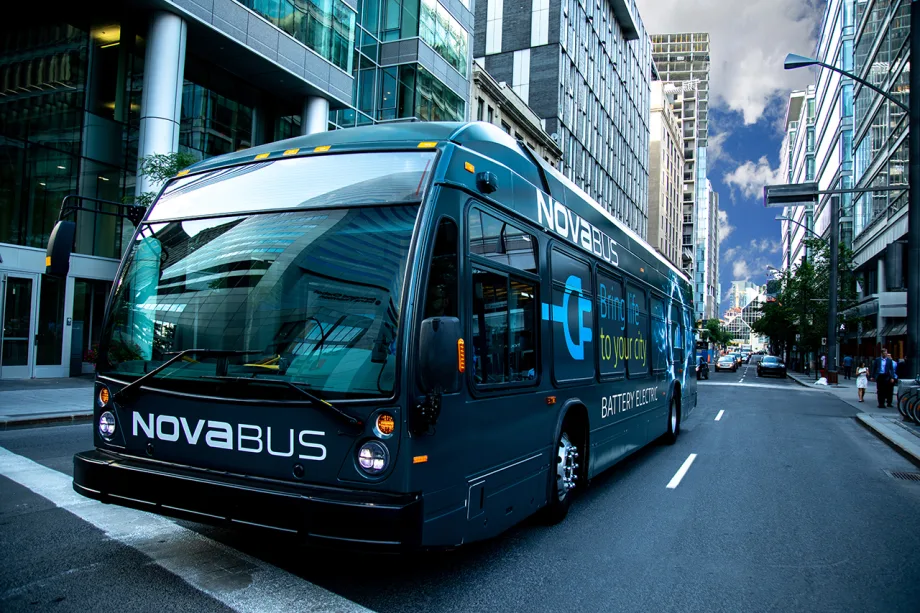
The new ranges of hybrid and diesel-powered products will have Nova Bus innovation built in, including the most recent engine technology that meets high environmental standards, particularly in terms of GHG emissions.
Photo: Nova Bus
During the Canadian Urban Transit Association’s Annual Conference and Transit Show, Nova Bus launched the sale of new ranges of hybrid and diesel vehicles equipped with updated engines that meet stricter greenhouse-gas emissions standards.
Delivery of the units is slated to begin in late 2027.
Adapting to Meet Needs
The company offers a line of diverse products, including its flagship all-electric LFSe+.
“Our market is continuously changing. Our partners are not all shifting to electrification at the same pace, and we are there to support them every step of the way with a complete portfolio of solutions to maintain passenger service and reach decarbonization targets. We are answering this need by adding next-generation hybrid and diesel propulsion systems to our current product lineup,” said Nova Bus President Paul Le Houillier.
The new generations of hybrid and diesel propulsion systems will complete Nova Bus’s current product offering, which also includes all-electric and CNG-powered buses. They will be integrated into the company’s LFS platform, long renowned for its reliability.
“The LFS platform provides an undeniable competitive edge, as it makes it possible to offer our partners products with a familiar user experience, no matter the propulsion system. This approach also means better control of operational costs, in part through parts commonality across all our products, as well as through staff training that carries over to all Nova Bus vehicle models,” added Le Houillier.
Innovation and Development
The new ranges of hybrid and diesel-powered products will have Nova Bus innovation built in, including the most recent engine technology that meets high environmental standards, particularly in terms of GHG emissions.
The buses will feature the latest-generation powertrains, optimized with innovative diagnostics and connected solutions that make fleet maintenance easier and lower fuel consumption.
“Keep in mind that transit buses, no matter what they run on, remain a top-tier solution for sustainable development, since they reduce the number of cars on the road. Our customers can properly control their GHG emissions through technological innovation. Our commitment to the development of sustainable transportation is steadfast, and we are giving our partners the solutions they need to grow urban public transit,” said Le Houillier.
More Bus

Castro to Lead RTC of Southern Nevada and More in People Movement
In this edition, we also cover recent appointments and announcements at the STV, MCI, and more, showcasing the individuals helping to shape the future of transportation.
Read More →
Study: Denver RTD Generates $2.1 Billion in Annual Economic Activity
An economic impact study finds the agency supports approximately 17,500 jobs, delivers $1.6 billion in annual community and mobility benefits, and generates $2.42 in economic value for every dollar invested.
Read More →
Mark Aesch Nominated to Lead Federal Transit Administration
The former Rochester transit chief and TransPro founder, who has also contributed to METRO Magazine, brings decades of industry experience and a focus on performance, accountability, and financial sustainability to the nomination.
Read More →
Pierce Transit Moves to Expand Fleet Following Proposition 1 Approval
The agency authorized the purchase or refurbishment of up to 60 buses to support a 47% service expansion, as voters nationwide approved billions in new transit funding.
Read More →
Transit Expands Agency Partnerships, Reaching 200 Official App Partners
COO Jake Sion discusses Transit’s growth, the success of its Transit Royale program, and how technology is helping agencies improve the rider experience.
Read More →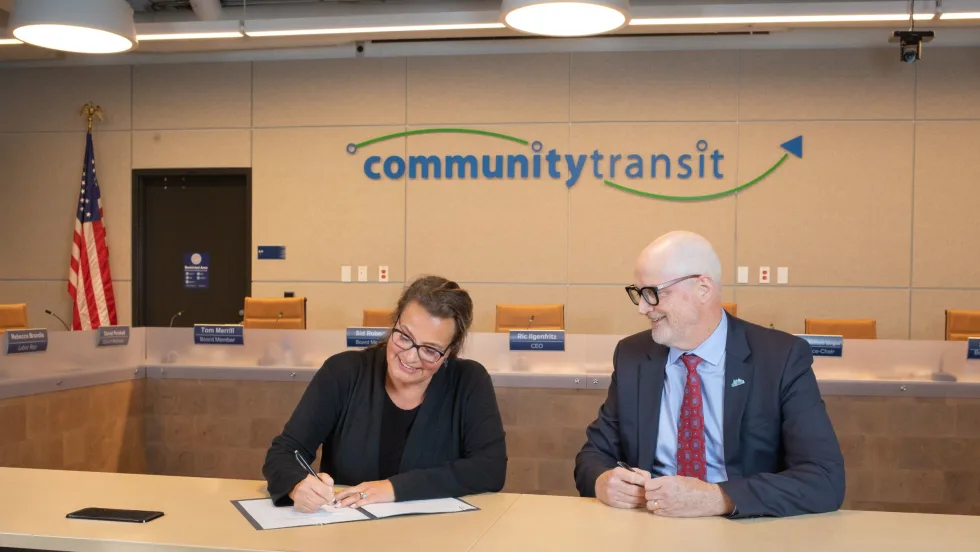
Everett Transit, Community Transit Approve Consolidation of Services
The agreement will bring Everett Transit into Community Transit’s network in April 2027, with plans to increase bus service by 50% by 2031 and expand regional connections.
Read More →
Brian Dickson on Building Stronger, More Resilient Transportation Organizations
Bus Business Consultants Founder Brian Dickson discusses the leadership principles, operational discipline, and strategic planning that separate transportation companies positioned for long-term success from those stuck in survival mode.
Read More →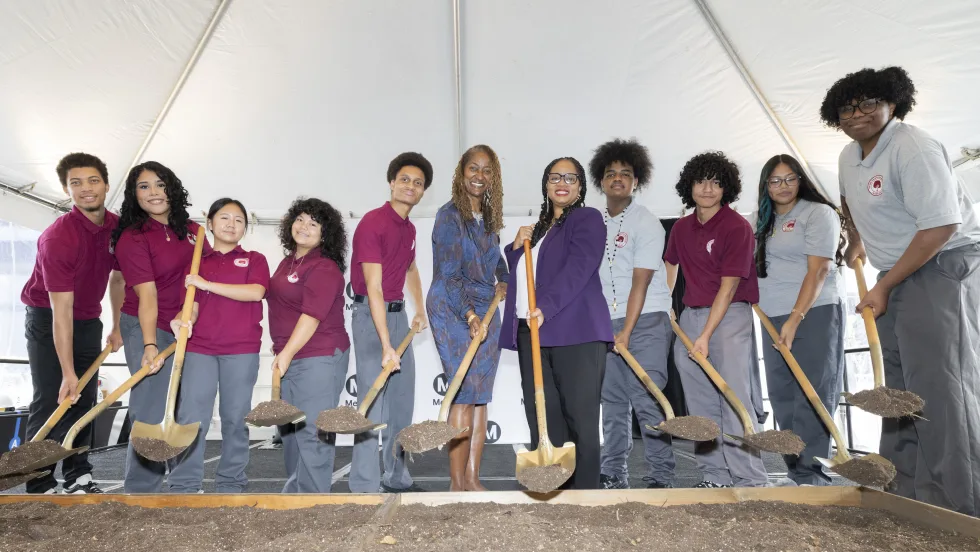
LA Metro Breaks Ground on Vermont BRT Project
The 12.4-mile corridor is projected to serve 66,200 daily riders, reduce travel times by up to 24%, and create the nation's busiest bus rapid transit corridor.
Read More →
Roman Cornell on ABC Companies’ Evolution and the Future of Passenger Transportation
The company’s CEO discusses carrying forward a third-generation family legacy, ABC’s continued evolution in passenger transportation, support for increasingly complex fleets, and how technology and continued investment could help operators improve uptime.
Read More →
VIA Bus Ridership Grows 10.1% Through August 2026
San Antonio's VIA Metropolitan Transit reported the highest bus ridership growth among major Texas transit systems. Federal Transit Administration data ranked it second among the nation's 50 largest transit systems.
Read More →