



NTSB cites tire, bridge railing failure in Texas crash
Fatal motorcoach accident in Sherman, Texas on Aug. 8, 2008, likely caused by failure of the right steer axle tire, leading to loss of vehicle control, and failure of the bridge railing to redirect the vehicle and prevent it from departing the bridge.

On Tuesday, the National Transportation Safety Board (NTSB) determined that the probable cause of a fatal motorcoach accident in Sherman, Texas, was the failure of the right steer axle tire, due to an extended period of low-pressure operation, which resulted in sidewall, belting and body ply separation within the tire, leading to loss of vehicle control.
Contributing to the severity of the accident was the failure of the bridge railing to redirect the vehicle and prevent it from departing the bridge. The lack of an adequate occupant protection system contributed to the severity of the passenger injuries.
The accident occurred on Aug. 8, 2008, when a 2002 56-passenger coach with a driver and 55 passengers on board departed Houston en route to a festival in Carthage, Mo. About four-and-a-half hours into the trip, while traveling northbound in the right lane of U.S. Highway 75, the right steer axle tire failed as the motorcoach approached the Post Oak Creek bridge at a speed of about 68 mph; the bus went through the bridge railing and off the bridge. It fell about eight feet and slid approximately 24 feet on its right side before coming to rest. As a result of the accident, 17 passengers died. In addition, the driver received serious injuries and 38 passengers received minor-to-serious injuries.
Major safety issues identified by this accident investigation include:
The tire failure and the need for tire pressure monitoring systems on vehicles weighing more than 10,000 pounds.
The failure of the bridge railing and the need for criteria for the selection of appropriate bridge railing designs.
The lack of oversight of the federal commercial vehicle inspections that are delegated to the states.
The lack of motorcoach occupant protection systems.
The deficiencies in federal safety oversight of new entrant motor carriers.
As a result of its investigation of this accident, the NTSB made eight new recommendations in these five safety issue areas to three federal agencies: the Federal Highway Administration (FHWA), the Federal Motor Carrier Safety Administration (FMCSA) and the National Highway Traffic Safety Administration (NHTSA).
Two recommendations were made to the American Association of State Highway and Transportation Officials in the area of bridge railing design; one recommendation to the American Association of Motor Vehicle Administrators, regarding tire pressure monitoring procedures; and one recommendation to the motorcoach manufacturer, Motor Coach Industries Inc., calling for revised vehicle maintenance manuals.
The NTSB also reiterated five previous recommendations made to FMCSA and NHTSA in the areas of drug and alcohol testing and motorcoach occupant protection systems.
A synopsis of the NTSB’s report, including the probable cause and recommendations, is available on the NTSB’s Website, www.ntsb.gov, under “Board Meetings.” The full report will be available on the Website in several weeks.
More Motorcoach
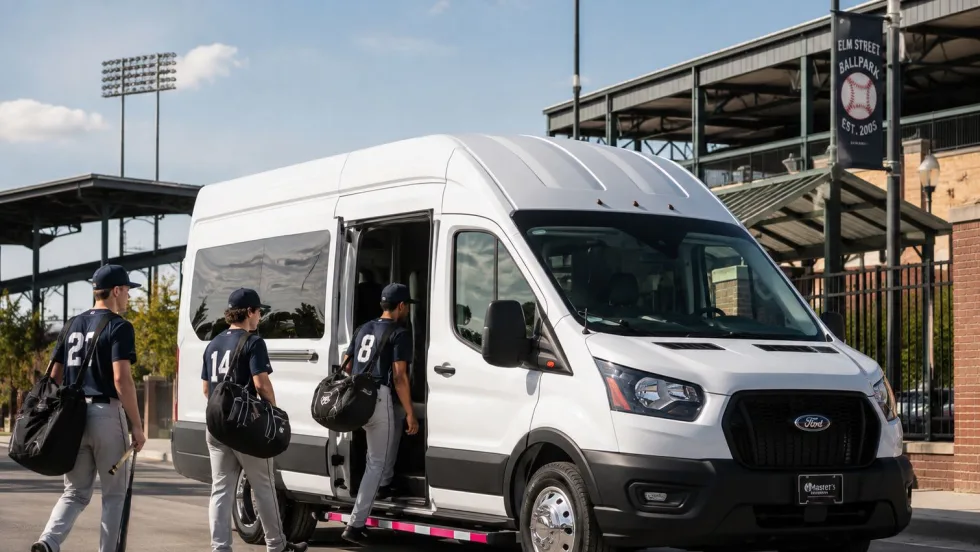
Rethinking the Road: Transportation Challenges for Smaller College Athletics
Smaller college athletic programs are rethinking fleet strategies as rising costs, driver shortages, and longer travel distances put new pressure on transportation budgets.
Read More →
Brian Dickson on Building Stronger, More Resilient Transportation Organizations
Bus Business Consultants Founder Brian Dickson discusses the leadership principles, operational discipline, and strategic planning that separate transportation companies positioned for long-term success from those stuck in survival mode.
Read More →
Roman Cornell on ABC Companies’ Evolution and the Future of Passenger Transportation
The company’s CEO discusses carrying forward a third-generation family legacy, ABC’s continued evolution in passenger transportation, support for increasingly complex fleets, and how technology and continued investment could help operators improve uptime.
Read More →
From Surviving to Thriving: Building Stronger Transportation Organizations
Bus Business Consultants founder Brian Dickson shares lessons on leadership, organizational health, and creating options for long-term success in a changing transportation industry.
Read More →
Report: Canadian Motorcoach Industry Generates $4.4B in Economic Impact
The 2025 Motorcoach Economic Impact Report finds motorcoach travel supported nearly 25,000 jobs and generated $980 million in federal, provincial, and local taxes.
Read More →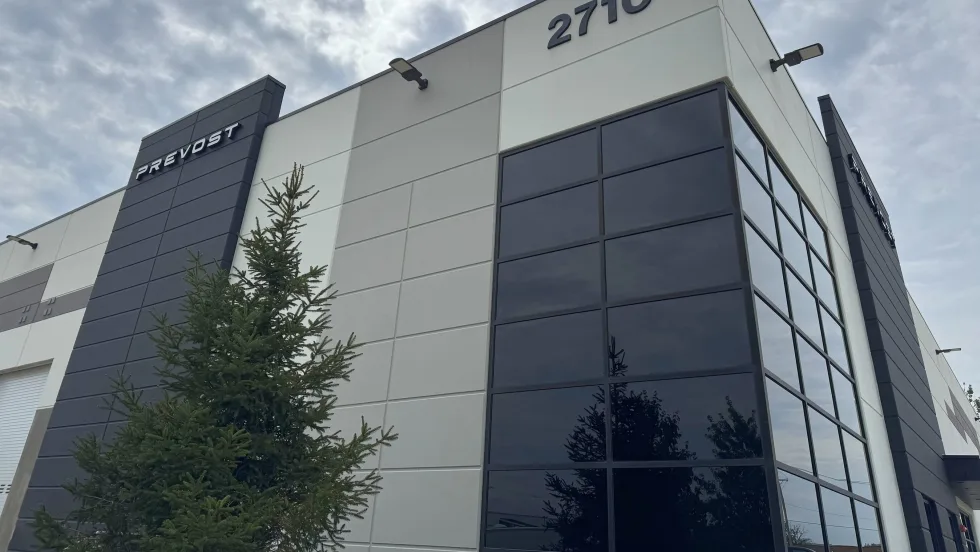
Prevost Opens Expanded Chicago-Area Service Center
The $8.1 million Elk Grove Village investment nearly triples facility space while adding service capacity, parts storage, and customer amenities.
Read More →
People Movement: Dan Dipert Coaches Adds Third-Generation Leader, Keolis Names New Valley Metro VP/GM, and More
In this edition, we also cover recent appointments and announcements at the Wabtec, SilverRide, HNTB, and more, showcasing the individuals helping to shape the future of transportation.
Read More →
METRO Opens Submissions for 2026 Motorcoach Awards
Nominations are now being accepted for METRO Magazine’s Operator of the Year and Innovative Operator of the Year awards.
Read More →
Biz Briefs: Alstom Lands Canadian Contract, LYT to Supply California TSP, and More
In METRO's latest installment, we take a look at recent news from Complete Coach Works, Beep, FlixBus, and more partnerships making headlines across the transportation sector.
Read More →
Biz Briefs: RIPTA Unveils New Frontrunners, Clevland RTA Adds New Siemens, and More
In METRO's latest installment, we take a look at recent news from Siemens, Prevost, Dodge, and more partnerships making headlines across the transportation sector.
Read More →