




RELATED: Driver's actions led to Metro-North collision, NTSB says
NTSB issues track worker safety alert
Safety Alert 066 was prompted in part by the deaths of two rail workers who were struck and killed by a train in Edgemont, S.D, Jan. 17, 2017.
August 1, 2017
2 min to read
The National Transportation Safety Board Monday issued a Safety Alert warning rail workers of the risks of working on the tracks using only a watchman/lookout to provide the train approach warning.
Safety Alert 066 was prompted in part by the deaths of two rail workers who were struck and killed by a train in Edgemont, S.D, Jan. 17, 2017. The NTSB investigation found the sight distance used by the watchman/lookout was about half the distance required by federal regulations. The Federal Railroad Administration requires that workers be able to clear the tracks at least 15 seconds before a train moving at the maximum authorized speed can pass the work location safely.
“The accident cited in this safety alert, and other recent similar accidents, warrant a reminder to railroad employees to remain vigilant for approaching trains — whether they are the watchman/lookout or whether they are working on the tracks,” said NTSB Acting Chairman Robert L. Sumwalt. “If a watchman/lookout does not devote his or her full attention to their duty of looking for approaching trains, they might not provide warning of an approaching train with sufficient time for their co-workers to clear the tracks. This alert highlights actions that when followed, will save lives railroad worker lives.’’
The NTSB also opened the docket for the Edgemont investigation. The public docket contains only factual information collected by NTSB investigators, and does not provide analysis, findings, recommendations, or probable cause determinations. No conclusions about how or why an accident or incident occurred should be drawn from information contained within the docket. Opening the docket affords those with a need and desire for its contents the opportunity review what factual information has been gathered about the accident. Any analysis, findings, recommendations, or probable cause determinations related to the accident will be issued by the NTSB at a later date.
Railroad worker safety was previously addressed by the NTSB in its Special Investigation Report on Railroad and Rail Transit Roadway Worker Protection.
More Security and Safety

Transit Agencies Highlight Safety Gains at National Summit
Leaders from 15 major transit systems shared crime-reduction results and safety initiatives while discussing the role of continued federal support.
Read More →
DART Launches Major Security, Fare Enforcement Initiative
The 90-day demonstration will deploy coordinated security teams at five light rail stations while testing controlled access and gathering data to guide future investments.
Read More →
RTD Launches NextRide App to Consolidate Trip Planning, Fares, Security Reporting
The app expands on RTD’s existing NextRide web application and allows customers to view real-time vehicle locations and service alerts, purchase and store digital fares, and access customer support.
Read More →
TAPTCO Updates OSHA Compliance Training for Transit Maintenance Operations
The revamped program addresses 26 OSHA standards for maintenance facilities, with TAPTCO pointing to training, documentation, and everyday shop hazards as continuing challenges for transit operations.
Read More →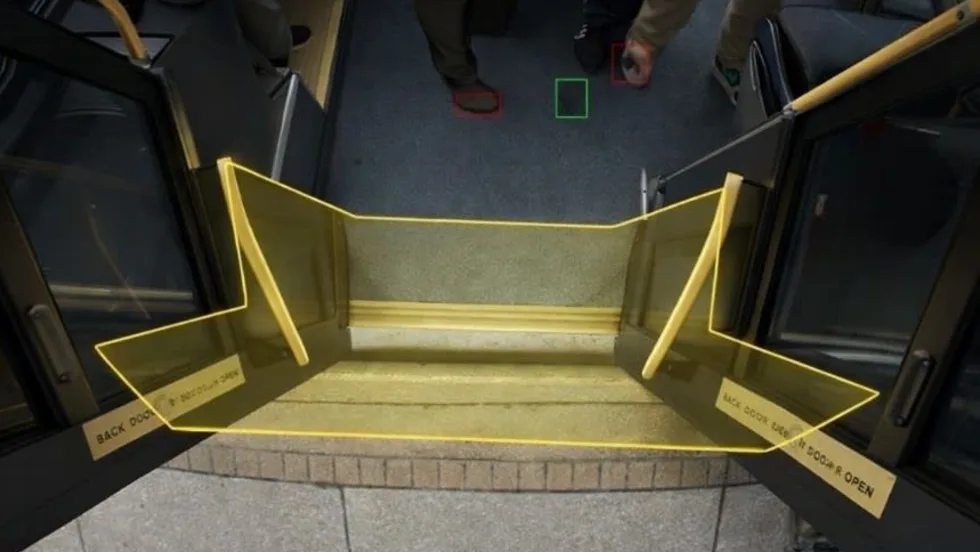
Sponsored•August 18, 2026
How VaporVision Adds Value to Transit Door Systems
Wabtec engineers explain how the system improves doorway detection, strengthens diagnostics and gives transit agencies and OEMs greater operating flexibility.
Read More →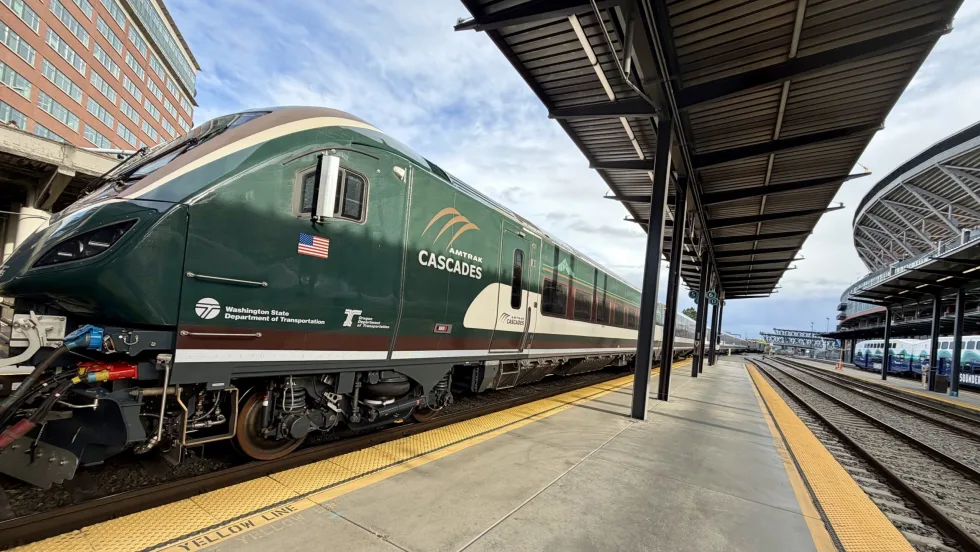
FRA Announces $5.3B in Rail Investments, Including $2B for Amtrak
Funding will support grade-crossing improvements, infrastructure upgrades, and new Amtrak equipment in 23 states.
Read More →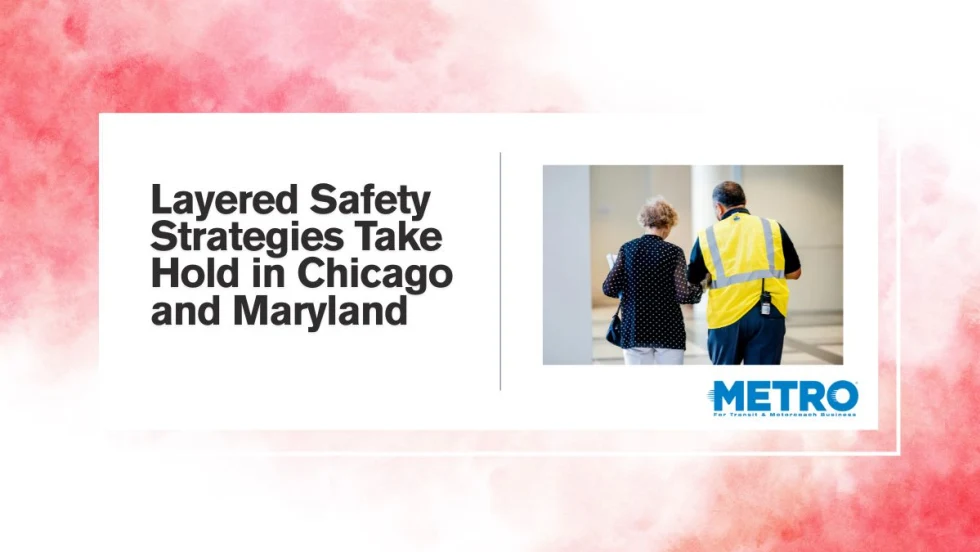
Chicago, Maryland Expand Non-Law-Enforcement Safety, Rider Support
The CTA and MTA are launching new programs aimed at de-escalation, crisis response, rider assistance, and greater transparency.
Read More →
LA Metro, City of West Hollywood, and Partners Advance Smarter Bus Lane Enforcement
The award-winning partnership combines AI-powered detection with human oversight to improve bus reliability, accessibility, and enforcement efficiency.
Read More →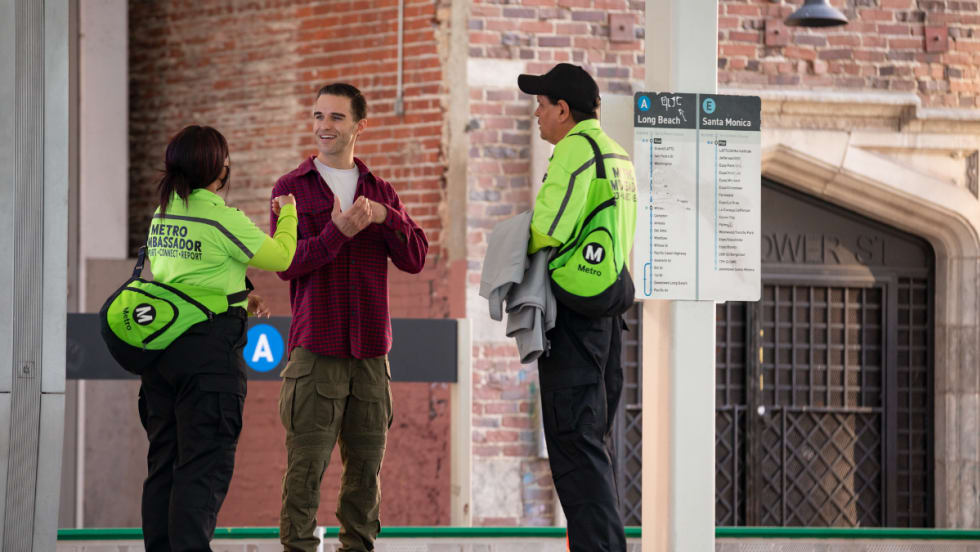
LA Metro Reports 57% Decline in Homelessness on Transit System Since 2024
The agency's latest homelessness count offers new data on how care-based services and cross-sector partnerships can complement traditional transit security strategies.
Read More →
FTA Launches 'Transit Moves America' Dashboard to Highlight Agency Safety and Performance
The online dashboard transforms National Transit Database information into a public-facing resource that allows users to compare transit agencies on key operational and safety metrics.
Read More →