



NTSB Raises Concerns on Proposed Marijuana Changes
The board is concerned that the proposed move would prohibit continued federally required testing of safety-sensitive transportation employees for marijuana use because laboratories certified by the U.S. Department of Health and Human Services for such testing are not authorized to test for Schedule III controlled substances.

In a response to the proposed rulemaking, the NTSB urged the DEA to “ensure that any final rule to reschedule marijuana does not compromise marijuana testing under DOT and HHS procedures applicable to safety-sensitive transportation employees.
Photo: NTSB
The National Transportation Safety Board responded to a proposed rule by the Drug Enforcement Administration to move marijuana from Schedule I to Schedule III of the Controlled Substances Act, warning the rule could imperil federally required drug testing for airline pilots, bus and truck drivers, and many others in safety-sensitive positions.
The NTSB is concerned that the proposed move would prohibit continued federally required testing of safety-sensitive transportation employees for marijuana use because laboratories certified by the U.S. Department of Health and Human Services for such testing are not authorized to test for Schedule III controlled substances.
NTSB’s Response
In a response to the proposed rulemaking, the NTSB urged the DEA to “ensure that any final rule to reschedule marijuana does not compromise marijuana testing under DOT and HHS procedures applicable to safety-sensitive transportation employees. Such employees include airline pilots, airline maintenance workers, bus and truck drivers, locomotive engineers, subway train operators, ship captains, pipeline operators, personnel transporting hazardous materials, air traffic controllers, and others.”
According to the NTSB, moving marijuana to Schedule III without taking steps to ensure that marijuana testing remains within the scope of pre-employment, random, reasonable suspicion, and post-accident drug testing would create a safety “blind spot.”
“Removal of marijuana testing from DOT and HHS drug testing panels for safety-sensitive transportation employees would remove a layer of safety oversight that employers have been managing for decades, and it would prevent DOT and HHS drug testing from acting as a deterrent to marijuana use by those employees,” the NTSB said. “Additionally, the NTSB would no longer have DOT and federal workplace marijuana test results as evidence in our investigations.”
A copy of the full comments can be found here.
More Security and Safety

Transit Agencies Highlight Safety Gains at National Summit
Leaders from 15 major transit systems shared crime-reduction results and safety initiatives while discussing the role of continued federal support.
Read More →
DART Launches Major Security, Fare Enforcement Initiative
The 90-day demonstration will deploy coordinated security teams at five light rail stations while testing controlled access and gathering data to guide future investments.
Read More →
RTD Launches NextRide App to Consolidate Trip Planning, Fares, Security Reporting
The app expands on RTD’s existing NextRide web application and allows customers to view real-time vehicle locations and service alerts, purchase and store digital fares, and access customer support.
Read More →

TAPTCO Updates OSHA Compliance Training for Transit Maintenance Operations
The revamped program addresses 26 OSHA standards for maintenance facilities, with TAPTCO pointing to training, documentation, and everyday shop hazards as continuing challenges for transit operations.
Read More →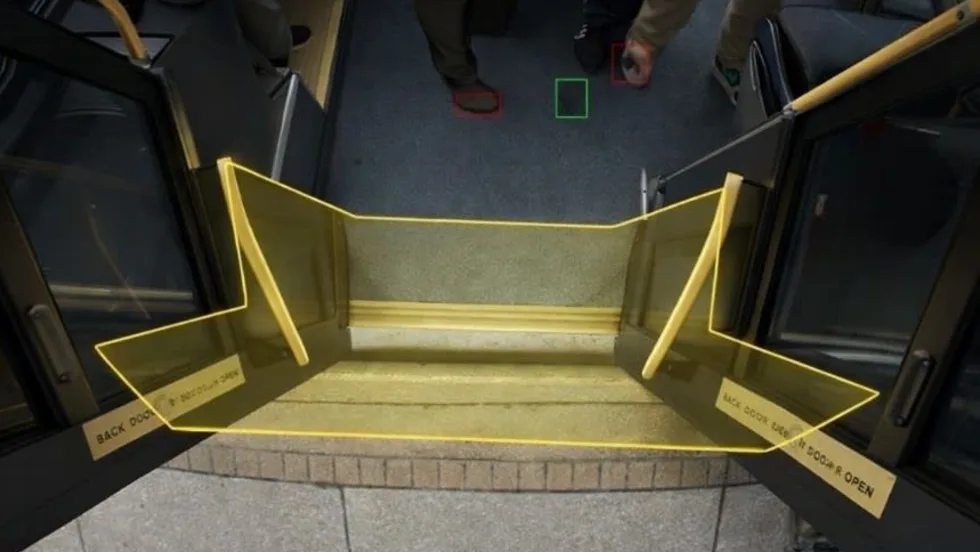
How VaporVision Adds Value to Transit Door Systems
Wabtec engineers explain how the system improves doorway detection, strengthens diagnostics and gives transit agencies and OEMs greater operating flexibility.
Read More →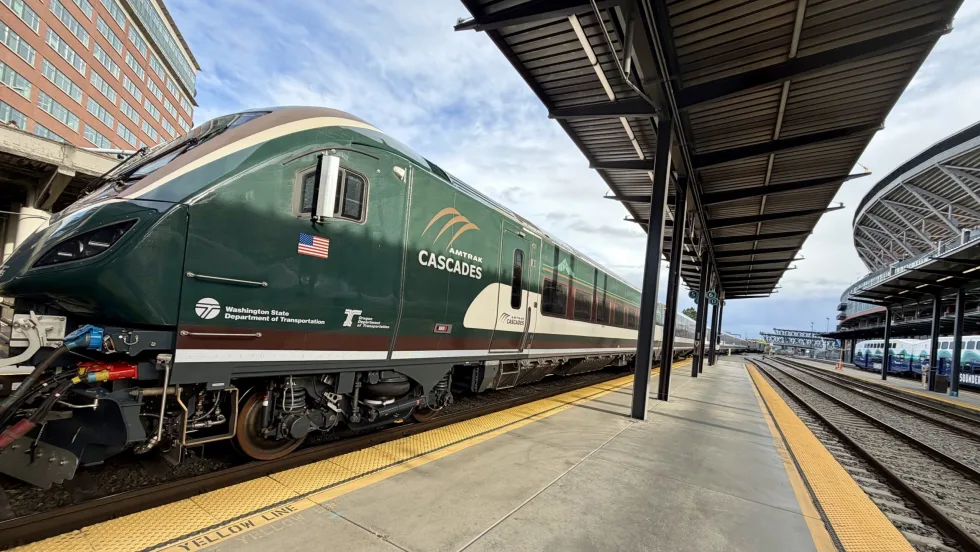
FRA Announces $5.3B in Rail Investments, Including $2B for Amtrak
Funding will support grade-crossing improvements, infrastructure upgrades, and new Amtrak equipment in 23 states.
Read More →
Chicago, Maryland Expand Non-Law-Enforcement Safety, Rider Support
The CTA and MTA are launching new programs aimed at de-escalation, crisis response, rider assistance, and greater transparency.
Read More →
LA Metro, City of West Hollywood, and Partners Advance Smarter Bus Lane Enforcement
The award-winning partnership combines AI-powered detection with human oversight to improve bus reliability, accessibility, and enforcement efficiency.
Read More →
LA Metro Reports 57% Decline in Homelessness on Transit System Since 2024
The agency's latest homelessness count offers new data on how care-based services and cross-sector partnerships can complement traditional transit security strategies.
Read More →
FTA Launches 'Transit Moves America' Dashboard to Highlight Agency Safety and Performance
The online dashboard transforms National Transit Database information into a public-facing resource that allows users to compare transit agencies on key operational and safety metrics.
Read More →