



NTSB Releases 2021-22 'Most Wanted' Safety List
Missing from this year’s list is the Positive Train Control mandate, which was removed after the successful implementation by rail providers at the end of 2020.
The National Transportation Safety Board finalized its 2021 – 2022 Most Wanted List of Transportation Safety Improvements during a board meeting.
The five-member board voted to include 10 items in the 2021-2022 Most Wanted List of Transportation Safety Improvements:
Require and Verify the Effectiveness of Safety Management Systems in All Revenue Passenger Carrying Aviation Operations.
Prevent Alcohol and other Drug Impaired Driving.
Require Collision Avoidance and Connected Vehicle Technologies on All Vehicles.
Eliminate Distracted Driving.
Implement a Comprehensive Strategy to Eliminate Speeding-Related Crashes.
Install Crash Resistant Recorders and Establish Flight Data Monitoring Programs.
Protect Vulnerable Road Users through a Safe System Approach.
Improve Pipeline Leak Detection and Mitigation.
Improve Rail Worker Safety (page/content under development).
Improve Passenger and Fishing Vessel Safety (page/content under development).
Since 1990 the NTSB has used its Most Wanted List as the principal advocacy tool to build support for the implementation of NTSB-issued safety recommendations associated with the list.
“Board members of the NTSB and our advocacy team continuously seek opportunities to communicate about items on our Most Wanted List,” said NTSB Chairman Robert Sumwalt. “As we begin advocacy efforts for the 2021 – 2022 MWL, we call upon our advocacy partners to amplify our safety messages and help us bring about the safety improvements that will make transportation safer for us all.”
Missing from this year’s list is the Positive Train Control mandate (PTC), which was removed after the successful implementation by rail providers at the end of 2020.
“Industry-wide implementation of PTC has been a massive undertaking, achieved only through dedication and innovation by commuter rail operators along with PTC equipment providers, consultants, and the Federal Railroad Administration,” said APTA President/CEO Paul P. Skoutelas in a statement. “Technological systems needed to be developed, customized, and installed to meet the unique operating requirements of each and every rail operator while ensuring that the PTC system was interoperable with other passenger and freight operators that share the tracks with commuter rail operators. Riding commuter rail is 18 times safer than driving an auto, and the commuter railroad’s monumental achievement of PTC certification will make commuter rail service even safer.”
The 2021 – 2022 MWL draws attention to more than 100 safety recommendations associated with the 10 items on the list. These recommendations, if implemented, can save lives, reduce the number and severity of injuries, and prevent transportation accidents and crashes, according to the NTSB. The 2021-2022 MWL features 10 mode-specific safety improvements, unlike previous lists that featured 10 broad, multimodal safety issues tied to hundreds of recommendations.
More Security and Safety

Transit Agencies Highlight Safety Gains at National Summit
Leaders from 15 major transit systems shared crime-reduction results and safety initiatives while discussing the role of continued federal support.
Read More →
DART Launches Major Security, Fare Enforcement Initiative
The 90-day demonstration will deploy coordinated security teams at five light rail stations while testing controlled access and gathering data to guide future investments.
Read More →
RTD Launches NextRide App to Consolidate Trip Planning, Fares, Security Reporting
The app expands on RTD’s existing NextRide web application and allows customers to view real-time vehicle locations and service alerts, purchase and store digital fares, and access customer support.
Read More →
TAPTCO Updates OSHA Compliance Training for Transit Maintenance Operations
The revamped program addresses 26 OSHA standards for maintenance facilities, with TAPTCO pointing to training, documentation, and everyday shop hazards as continuing challenges for transit operations.
Read More →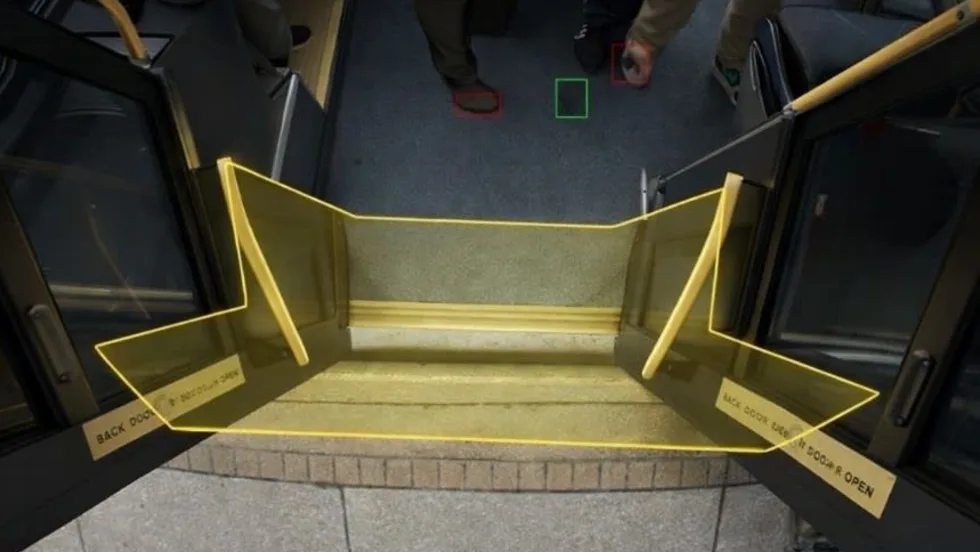
How VaporVision Adds Value to Transit Door Systems
Wabtec engineers explain how the system improves doorway detection, strengthens diagnostics and gives transit agencies and OEMs greater operating flexibility.
Read More →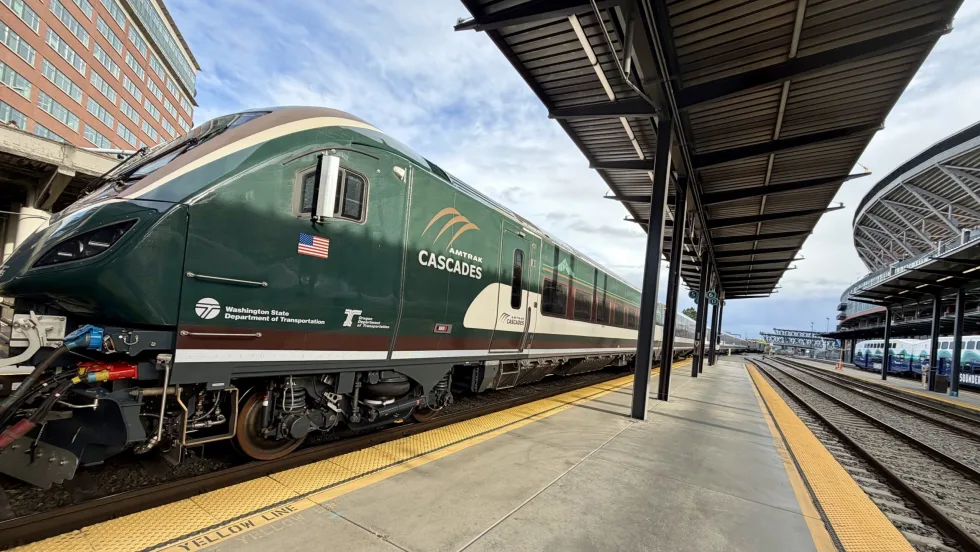
FRA Announces $5.3B in Rail Investments, Including $2B for Amtrak
Funding will support grade-crossing improvements, infrastructure upgrades, and new Amtrak equipment in 23 states.
Read More →
Chicago, Maryland Expand Non-Law-Enforcement Safety, Rider Support
The CTA and MTA are launching new programs aimed at de-escalation, crisis response, rider assistance, and greater transparency.
Read More →
LA Metro, City of West Hollywood, and Partners Advance Smarter Bus Lane Enforcement
The award-winning partnership combines AI-powered detection with human oversight to improve bus reliability, accessibility, and enforcement efficiency.
Read More →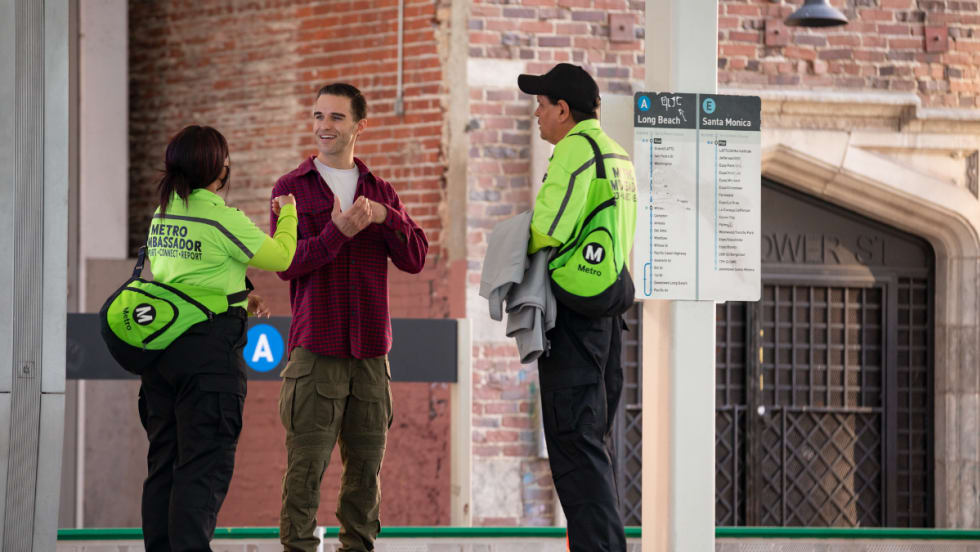
LA Metro Reports 57% Decline in Homelessness on Transit System Since 2024
The agency's latest homelessness count offers new data on how care-based services and cross-sector partnerships can complement traditional transit security strategies.
Read More →
FTA Launches 'Transit Moves America' Dashboard to Highlight Agency Safety and Performance
The online dashboard transforms National Transit Database information into a public-facing resource that allows users to compare transit agencies on key operational and safety metrics.
Read More →