




Plan includes advancing the hiring of critical new senior leadership positions, including a Chief Transformation Officer who will be responsible for leading the execution of and delivering on the implementation plan.
NY MTA issues RFP to move forward on reorganization plan
Invites vendors with specific expertise in four major categories including, police/safety, and construction/development, to submit bids.
October 29, 2019
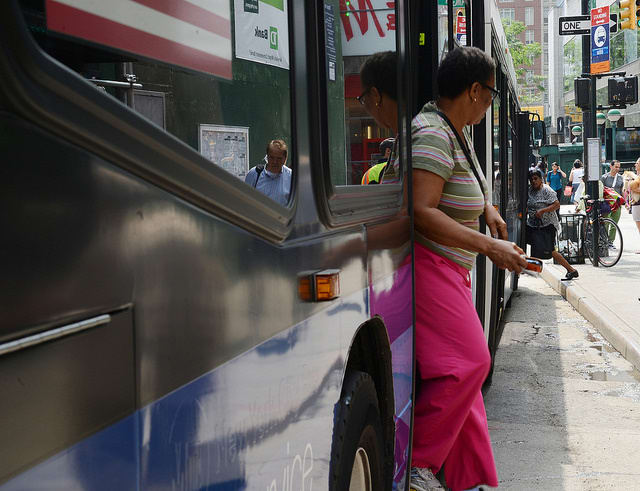
The MTA Transformation Plan will consolidate these support functions across the six MTA operating agencies.
Marc A. Hermann
3 min to read
The MTA Transformation Plan will consolidate these support functions across the six MTA operating agencies.
Marc A. Hermann
New York’s Metropolitan Transportation Authority (MTA) issued the Transformation Plan Request for Proposal (RFP) — marking a major milestone in the agency’s first reorganization in over half a century. The RFP follows the development of MTA’s Transformation Plan in partnership with AlixPartners, which will position the agency to dramatically improve service, end project delays and cost overruns, and a deliver a reliable and efficient transportation system.
The RFP advances the MTA’s historic Transformation Plan by inviting vendors with specific expertise in four major categories — reorganization and consolidation of administration and back office support functions, police and safety, construction and development, and external communications — to submit bids.
The RFP is focused on updating, standardizing, and simplifying the MTA’s administrative and back office processes, to reduce redundancies, and drive clearer lines of accountability.
The reforms will allow the organization to exclusively turn its attention to operational excellence, and focus on core issues such as safety, day-to-day operations, and maintenance.
In capital projects delivery, the agency is also working to address slow, costly, and bureaucratic processes related to significant construction projects by centralizing all capital project planning, development, and delivery to one unified group.
And the MTA will also create a new central customer communication function to create clear, high quality, and consistent customer engagement.
The MTA Transformation Plan will consolidate these support functions across the six MTA operating agencies — MTA New York City Transit, MTA Bus Company, MTA Long Island Rail Road, MTA Metro-North Railroad, MTA Bridges and Tunnels, MTA Capital Construction — and its headquarters. Currently, each agency maintains its own functions regarding 14 areas: Finance; External Affairs and Customer Communications; Procurement; Human Resources; Labor Relations; Training; Engineering; Operation Standards; Construction and Development; Diversity and EEO; Information Technology; Legal and Compliance; Safety Health, and Environment; and Police and Security. At the end of the implementation these functions will be unified and redesigned.
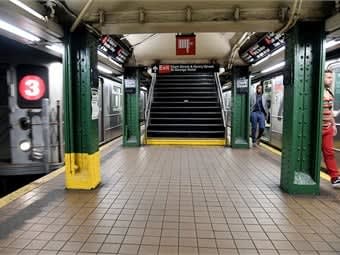
The reforms will allow the MTA to exclusively turn its attention to operational excellence, and focus on core issues such as safety, day-to-day operations, and maintenance.
Marc A. Hermann
While the Implementation RFP is an important element of advancing Transformation, the MTA has also made progress on the reorganization by moving forward on multiple fronts. This includes advancing the hiring of critical new senior leadership positions, including a Chief Transformation Officer who will be responsible for leading the execution of the Transformation and delivering on the implementation plan. It also includes refining the initial Transformation recommendations developed with AlixPartners, and developing a draft detailed implementation roadmap to guide the Implementation RFP and the work of the selected vendor(s).
The vendor or vendors selected from the RFP will directly support implementation under the Chief Transformation Officer. To be successful in this effort, the RFP requests proposers have specific skills related to the aforementioned four major categories, as well as expertise in project management consulting, deep business process reengineering experience, IT capabilities with PeopleSoft and data governance, and be proficient in working with transportation agencies and organizations with union employees.
More Management

METRO Opens Submissions for 2026 Motorcoach Awards
Nominations are now being accepted for METRO Magazine’s Operator of the Year and Innovative Operator of the Year awards.
Read More →
New York MTA Advances Final Contract for Second Avenue Subway Expansion
Contract Four is the largest in the Second Avenue Subway Phase 2 project and includes construction of station infrastructure, tracks, and signals for the subway expansion, MTA officials said. Work on Contract Four will begin in 2027.
Read More →
Transit Agencies Highlight Safety Gains at National Summit
Leaders from 15 major transit systems shared crime-reduction results and safety initiatives while discussing the role of continued federal support.
Read More →

NITA Names New Leadership, Expands Reduced-Fare Program at First Board Meeting
The new regional transit authority appointed its first board chair and interim executive director while extending reduced fares across CTA, Metra, and Pace for eligible riders.
Read More →
Beyond the Checklist: A Structured Approach to Transit Maintenance
Reliability-Centered Maintenance helps transit agencies move beyond routine checklists to focus limited resources on the assets and failures that have the greatest impact on safety, reliability, and service.
Read More →
APTA 2026 Nominating Committee Selects Leadership Slate, Names Chair and Vice Chair Nominees
Leadership changes will help shape the association’s priorities and its representation of the transportation industry during the 2026–2027 term.
Read More →
DART Launches Major Security, Fare Enforcement Initiative
The 90-day demonstration will deploy coordinated security teams at five light rail stations while testing controlled access and gathering data to guide future investments.
Read More →
Sponsored•September 9, 2026
Advancing Fare Collection Through Technology and Innovation
Learn about delivering 1300 gates at 91 stations while managing fare evasion. Explore the large scale deployment, solution customization and real-world results that affect the region. Prepare for deployment in your region now.
Read More →
Game Day in Motion: Moving Millions During the 2026 World Cup
Between packed transit stations and team motorcoaches, see how agencies and operators across North America tackled the transportation demands of the 2026 FIFA World Cup.
Read More →
Surface Transportation Extension Averts Shutdown, Leaves Transit Funding Gap
The stopgap keeps federal transportation programs moving, but missing advance funding could complicate the transit and rail projects agencies are planning next.
Read More →